World
Seized Ship Near Strait of Hormuz Heightens Global Tensions
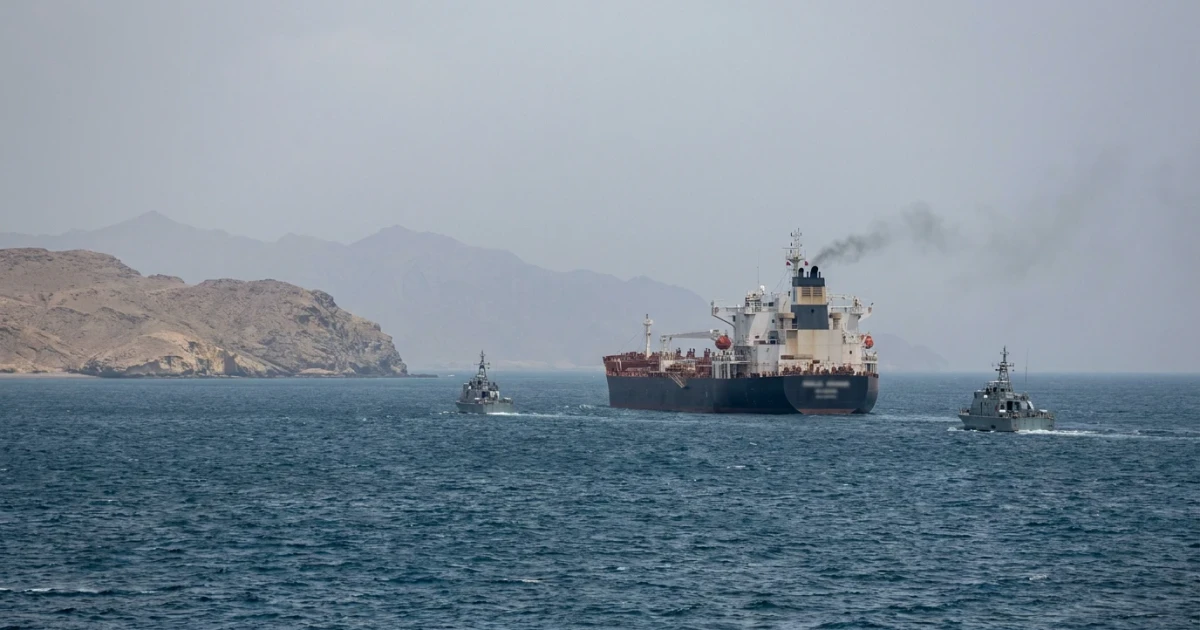
Global attention has turned to the Strait of Hormuz following the seizure of a commercial vessel by 'unauthorized personnel,' as reported by CBS News. The incident comes at a time when international leaders, including U.S. President Donald Trump and China’s President Xi Jinping, have publicly emphasized the importance of keeping the crucial waterway open for commerce and navigation.
Incident Details and Immediate Response
The ship, whose identity has not been fully disclosed, was reportedly seized near the Strait of Hormuz and is being taken toward Iran. CBS News described the assailants as 'unauthorized personnel,' though further details regarding their affiliation or motives remain unclear. The incident has prompted immediate diplomatic engagement, with both the United States and China reaffirming their commitment to the stability of the region.
- The Strait of Hormuz is a critical chokepoint for global maritime transport, handling a substantial share of the world’s oil tanker traffic.
- According to a U.S. Energy Information Administration analysis, nearly one-fifth of the world’s oil passes through this narrow channel.
- MarineTraffic’s live ship tracking data confirms heightened activity in the area, with several vessels rerouting or slowing near the incident zone.
Diplomatic Efforts to Maintain Open Passage
Amid the unfolding situation, CBS News reported that President Trump and President Xi have reached agreement on the necessity of keeping the Strait of Hormuz open. Their joint stance underscores the waterway’s status as a lifeline for international energy supplies and global trade. While no direct quotes were provided in the CBS News coverage, both leaders’ statements reflect growing concerns over maritime security and the potential for escalation.
The Council on Foreign Relations notes that the Strait has been the site of multiple maritime incidents in recent years, often involving tanker seizures and disputes linked to geopolitical tensions. The current event is likely to prompt renewed discussion among the United Nations and other international bodies regarding enforcement of maritime security measures and possible sanctions or protective actions.
Oil Exports and Economic Implications
The Strait of Hormuz’s significance is further amplified by its role in regional oil exports. According to OPEC statistics, key oil-producing nations bordering the strait—such as Saudi Arabia, Iran, and the United Arab Emirates—rely on unimpeded passage to deliver crude to global markets. Disruptions can lead to immediate volatility in oil prices and threaten supply chains worldwide.
- The region is responsible for exporting over 18 million barrels of oil per day, making the strait’s security a high priority for energy-dependent economies.
- Lloyd’s List Intelligence maintains a database of maritime risk incidents that shows an uptick in reported seizures and threats to shipping in the area over the past year.
Security Concerns and International Monitoring
With the seized ship en route to Iran, experts warn that the episode could exacerbate existing tensions and increase the risk of similar incidents. Real-time vessel monitoring and risk assessment agencies are closely tracking developments. CBS News updates indicate a swift mobilization of regional naval forces and heightened alert from shipping companies operating in the vicinity.
The strategic importance of the Strait of Hormuz means that any disruption has wide-ranging consequences, from fuel prices to global supply chain stability. Ongoing diplomatic communication and potential United Nations involvement may be necessary to prevent escalation and restore confidence among maritime stakeholders.
Looking Ahead
As investigations continue and the international community responds, the focus remains on ensuring the safe passage of vessels and upholding the integrity of global trade routes. The incident reinforces the need for robust maritime security protocols and coordinated action among world powers.
For readers seeking deeper context and the latest updates on vessel movements, energy flows, and security measures, several resources provide real-time data and authoritative analysis:
- Strait of Hormuz Analysis Brief (U.S. EIA)
- Live Ship Movements (MarineTraffic)
- Maritime Risk and Incident Data (Lloyd’s List Intelligence)
While the situation remains fluid, the global community’s resolve to keep the Strait of Hormuz open will be tested in the coming days, as diplomatic, economic, and security responses unfold.