Health
Semaglutide slows biological aging markers in adults with HIV

Semaglutide, the drug behind Ozempic and Wegovy, slowed several biological aging markers in adults with HIV in a 32-week trial that scientists say is the first randomized, placebo-controlled human evidence suggesting a GLP-1 drug may affect aging biology. The work, led by researchers at the University of California San Diego and published in Nature Communications, focused on 108 adults with HIV-associated lipohypertrophy, a condition marked by excess abdominal fat.
Roughly half the participants received weekly semaglutide injections and the rest received placebo. Michael Corley, Susanne Clara Bard and colleagues analyzed the results after the fact in a post hoc exploratory study, meaning aging was not the trial’s original main endpoint. Instead of measuring lifespan or disease events, the team looked at epigenetic clocks, which estimate biological age by tracking DNA methylation patterns that shift as cells age.

That distinction matters. Slower biological aging in this study did not mean participants lived longer or avoided illness in the short term. It meant the drug changed surrogate molecular markers associated with aging, and the researchers saw those shifts across several clocks. UC San Diego said semaglutide slowed biological aging by 9% on the DunedinPACE clock and significantly slowed processes tied to all-cause mortality and age-related disease on the PCGrimAge clock.
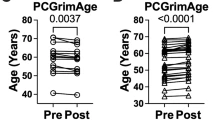
The strongest signals showed up in epigenetic measures linked to inflammation and the blood, brain, heart, kidney, liver and metabolic health. That pattern fits a broader concern in HIV care: even when the virus is well controlled with modern antiretroviral therapy, people with HIV can still experience accelerated aging. That makes this population a useful one for studying whether metabolic drugs can alter age-related biology beyond weight loss or blood sugar control.

The findings add to a fast-growing list of possible uses for GLP-1 receptor agonists, a class already prescribed for obesity and diabetes and now under study for cardiovascular, kidney and possible neurodegenerative benefits. But the signal from this trial remains preliminary. Larger studies will be needed to determine whether semaglutide truly slows aging in a way that translates into fewer heart attacks, less dementia, better kidney function or longer life. For now, the data offer a scientific clue, not an anti-aging verdict.