Health
Semaglutide surge drives sharp rise in preventable poison calls
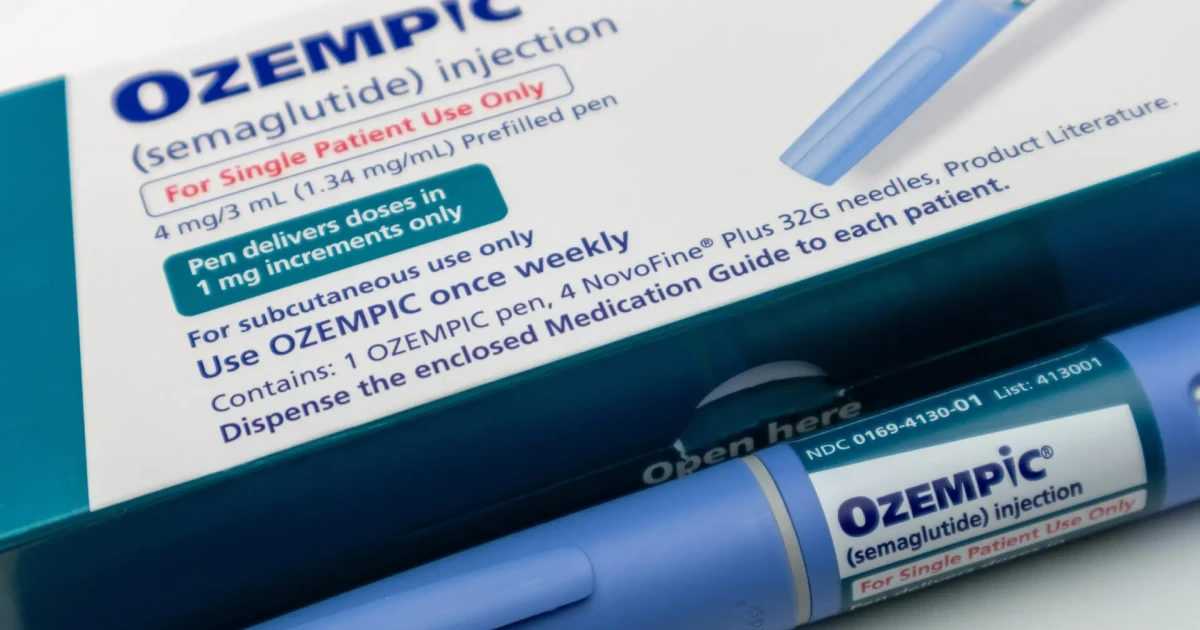
Poison-control centers logged a sharp rise in semaglutide cases after Wegovy won FDA approval on June 4, 2021, with national GLP-1 calls climbing from roughly 1,000 to 1,500 a year before the mid-2021 break to more than 8,000 by 2023. A University of Texas at San Antonio team led by Jordan Miller ’25 traced the jump to unintentional dosing and therapeutic errors, not deliberate misuse, and presented the findings at the university’s Los Datos conference, where Miller won first prize.
Ozempic’s labeling starts treatment at 0.25 mg once weekly for 4 weeks before dose escalation, while Wegovy is approved as a once-weekly injection for chronic weight management in adults with obesity or overweight plus at least one weight-related condition, alongside reduced-calorie diet and increased physical activity. Compounded injectable semaglutide has produced overdoses when patients measure from vials, confuse milliliters, milligrams and units, or lack experience with self-injection. Compounded drugs carry higher risk because they do not undergo FDA premarket review for safety, quality or effectiveness.

Poison Help at 1-800-222-1222 is free and available 24/7/365 for questions about GLP-1 medications and overdoses. Common poisoning symptoms include nausea, vomiting, diarrhea, constipation and abdominal pain, and overdose symptoms can last longer than routine side effects. Semaglutide overdoses may require prolonged observation because the drug’s half-life is about a week.

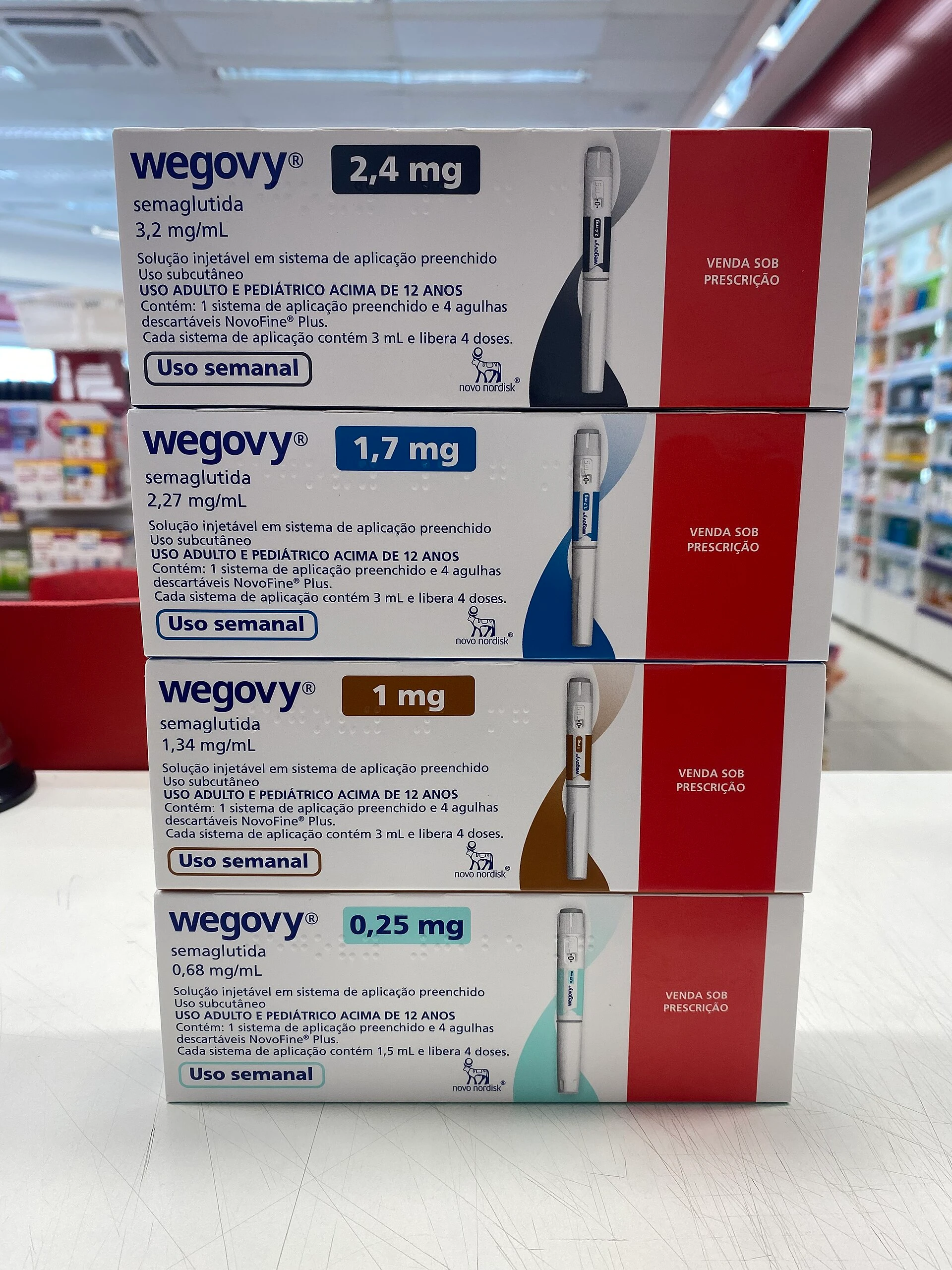
A National Poison Data System analysis of 13,924 single-substance GLP-1 exposures from 2017 through 2024 found exposure rates rose 1,830.8 percent overall and 4,805.0 percent among children ages 6 to 17, with most of the increase after 2021 and children more likely than adults to be admitted to hospital. Counterfeit Ozempic has also turned up in the legitimate U.S. drug supply chain, and counterfeit medicines may contain the wrong ingredients, too much or too little active ingredient, or none at all.
Sources
- [1]sciencedaily.com
- [2]news.utsa.edu
- [3]accessdata.fda.gov
- [4]poisoncenters.org
- [5]pmc.ncbi.nlm.nih.gov
- [6]acmt.net