Politics
Senate and White House Reach Deal on Crypto Banking Rules
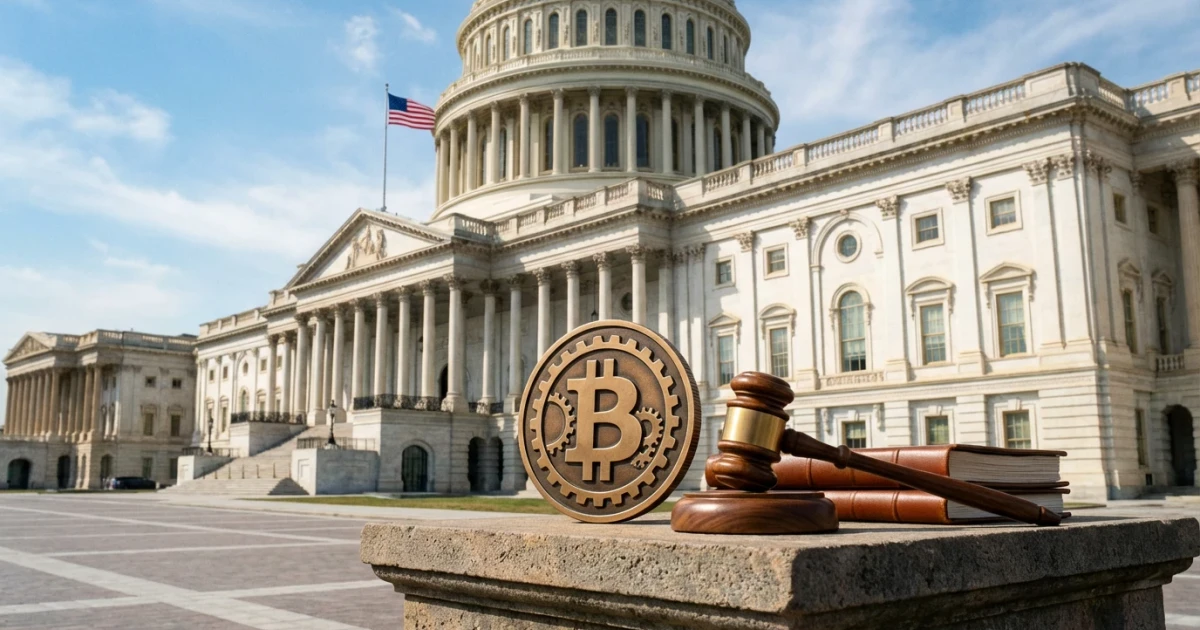
Washington, D.C. — A long-standing impasse over how banks can engage with crypto-assets appears close to resolution, as lawmakers in the Senate and the White House have struck a deal to clarify crypto-banking regulations. The agreement marks a significant step toward providing the financial sector with a unified framework to address digital asset integration and compliance challenges.
What the Deal Means for Crypto Banking
The deal, as reported by DL News, comes after months of negotiations between key senators and administration officials. The agreement is expected to address core issues that have divided regulators and industry participants, including how banks can safely provide services to crypto-asset firms, the minimum compliance standards required, and the level of oversight from federal agencies.
- Banking institutions have faced uncertainty regarding the permissibility and process for offering accounts or custody services for crypto-assets.
- The lack of clear guidelines has led to inconsistent practices and, in some cases, banks pulling back from working with crypto firms altogether.
- Federal agencies like the Federal Reserve, FDIC, and OCC have issued fragmented policy guidance, contributing to the standoff.
Key Regulatory Issues Addressed
The agreement is poised to offer a more consistent regulatory approach on several fronts:
- Clear definitions for the types of crypto-asset activities banks can engage in, with specific reference to custody, payments, and lending services.
- Unified compliance standards for anti-money laundering and customer due diligence, referencing data from the Financial Crimes Enforcement Network (FinCEN) on suspicious activity reports tied to crypto.
- Guidance on risk management and capital requirements for banks with exposure to digital assets, aligned with findings from the Government Accountability Office on crypto-asset risks.
Legislative and Regulatory Context
The standoff has been the subject of intense debate on Capitol Hill, with bipartisan calls for clarity as crypto adoption expands. The Senate’s new agreement is likely to dovetail with recent legislative efforts, including Senate Bill S.2151, which seeks to establish a regulatory baseline for digital asset activities in the banking sector.
Meanwhile, the SEC continues to play a role in overseeing securities aspects of crypto assets, while the crypto market’s integration with banking shows steady growth, with U.S. adoption rates among the highest globally.
Industry and Market Implications
Industry advocates have long argued that regulatory uncertainty stifles innovation and deters banks from serving crypto businesses. Clarity from the Senate-White House agreement could unlock new partnerships and products, but will also bring heightened compliance obligations and scrutiny.
- Major banks and fintechs are expected to review their crypto strategies in light of the new guidance.
- Crypto firms may find it easier to secure banking relationships, which are essential for payments, payroll, and investor services.
Looking Ahead
The deal represents a breakthrough in a complex regulatory landscape, but implementation details remain to be seen. As the text of the agreement is finalized and released, banks and crypto firms will be watching closely for specifics on timelines, enforcement, and potential grandfathering of existing activities.
The move signals a shift toward mainstream acceptance and oversight of crypto-assets within the U.S. financial system, though ongoing adjustments are likely as technology and markets evolve.