Politics
Senate Approves $70 Billion for Immigration Enforcement
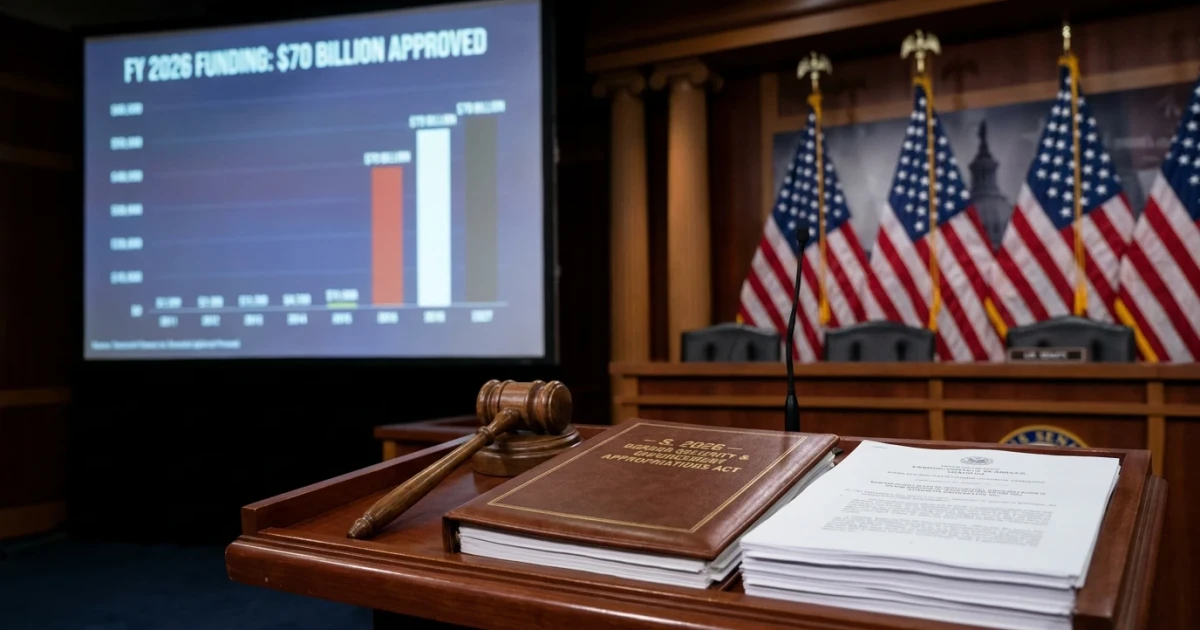
The US Senate has approved $70 billion in funding for immigration agencies, marking a significant investment in enforcement and deportation programs spearheaded by the Trump administration. The measure, confirmed by both BBC and Reuters, reflects the ongoing prioritization of border security and migrant removal initiatives in US federal spending.
Major Funding Boost for Immigration Agencies
Both BBC and Reuters reported that the Senate's approval will direct $70 billion to federal agencies charged with managing immigration enforcement, including US Customs and Border Protection (CBP) and Immigration and Customs Enforcement (ICE). The funding is expected to support a range of activities:
- Expanded migrant deportation operations
- Increased staffing and resources for border enforcement
- Upgrades to detention facilities and surveillance infrastructure
While neither source detailed the exact breakdown of allocations, past appropriations have typically funneled funds toward apprehensions, removals, and operational support, as seen in the DHS Budget-in-Brief.
Context: Enforcement Priorities and Policy Impact
The Trump administration has long emphasized strict immigration control, with efforts focused on both border security and interior enforcement. Reuters highlighted the bill's direct impact on "migrant deportations," echoing previous years' trends of ramped-up removals. According to ICE statistics, annual deportations have consistently numbered in the hundreds of thousands, with substantial increases during periods of intensified policy.
BBC's coverage underscored the agencies benefiting from the new funding, noting that this approval aligns with the administration's broader agenda to reinforce federal capacity for immigration enforcement. This follows similar appropriations in recent years, such as the Consolidated Appropriations Act of 2020, which provided detailed funding mechanisms for DHS agencies.
Potential Effects on Migrant Communities
With resources directed toward deportations, advocacy groups and policy analysts have raised concerns about the humanitarian and legal impacts of increased enforcement. While neither BBC nor Reuters provided commentary from affected communities or officials, previous analysis from the Migration Policy Institute suggests that larger budgets often correlate with expanded detention, faster case processing, and more aggressive enforcement actions.
Legislative Process and Political Implications
Senate approval of this funding represents bipartisan support for robust immigration controls, though the measure may face scrutiny in the House or from civil liberties advocates. The bill's passage comes amid ongoing debate over the balance between security, humanitarian policy, and fiscal responsibility.
According to the Congressional Research Service, immigration enforcement funding has steadily increased over the past decade, reflecting shifting legislative priorities and responses to migration patterns at the US-Mexico border.
- CBP and ICE together receive the majority of DHS appropriations
- Enforcement budgets often outpace funding for legal immigration services or refugee support
Analysis: The Path Forward
As the Senate bill advances, observers will watch for its effects on enforcement statistics, agency operations, and the lived experiences of migrants. The $70 billion allocation signals continued federal commitment to immigration control, with implications across legal, social, and economic spheres.
Whether this funding leads to measurable changes in apprehension rates or deportation totals will depend on agency implementation and broader policy shifts. For now, Senate approval marks a pivotal moment in the ongoing debate over US immigration strategy and resource allocation.