Politics
Senate Approves $70 Billion Funding Boost for ICE
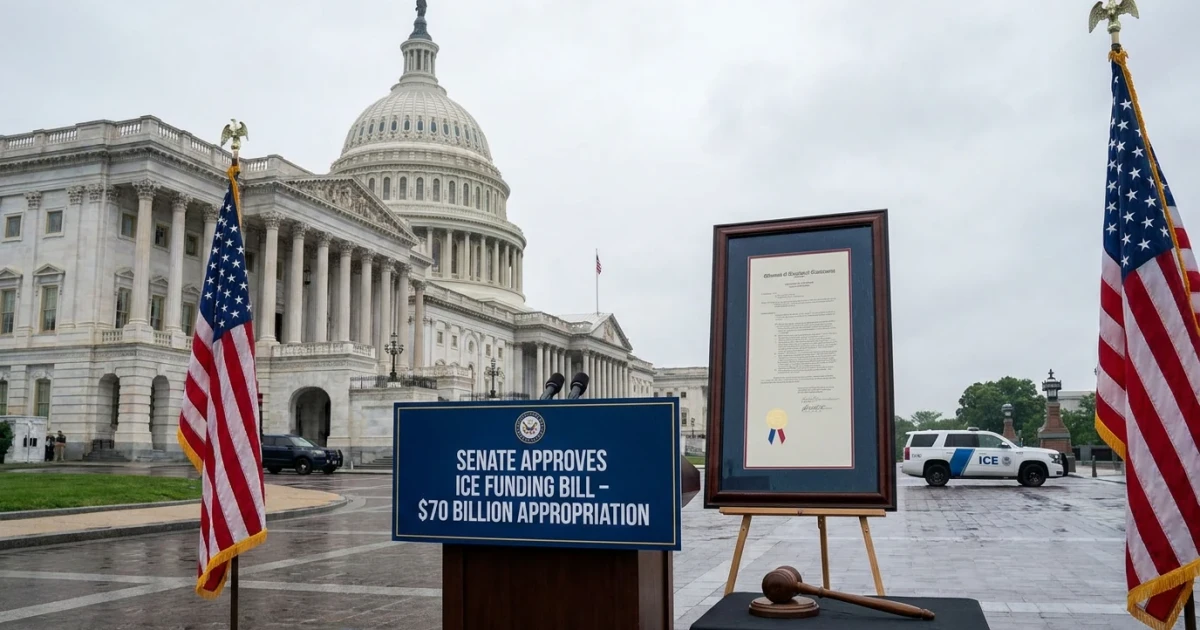
The US Senate has approved a $70 billion funding bill for Immigration and Customs Enforcement (ICE), setting the stage for potential changes in the nation’s immigration enforcement landscape and igniting debate across party lines. The measure, which passed on June 5, 2026, marks one of the largest single-year appropriations for ICE and raises questions about how the funds will be allocated and what comes next for US immigration policy.
Senate Passes $70 Billion Bill for ICE
The Senate’s decision to pass the $70 billion funding bill for ICE comes amid rising concerns over border security and immigration enforcement. The measure, backed primarily by Republican lawmakers, is intended to bolster ICE’s operational capacity, including enforcement, detention, and removal operations. The bill now heads to the House of Representatives, where it is expected to face further debate and possible amendments.
Key Areas of Funding
- Enforcement Operations: A significant portion of the funding is earmarked for enhancing ICE’s enforcement and removal operations, which have seen a steady increase in activity, as shown in recent ICE statistics.
- Detention Facilities: Additional resources are expected to be allocated to expanding ICE’s detention capacity, in response to higher numbers of individuals apprehended at the border, as reflected in CBP enforcement statistics.
- Technological Upgrades: The bill includes provisions for investment in surveillance technology and data systems to improve ICE’s monitoring and case management capabilities.
Political Debate and Public Reaction
The passage of the bill has sparked sharp political debate. Proponents argue that the funding is essential to address ongoing security challenges and to support ICE’s mission. Critics, however, warn that the bill could lead to an expansion of detention and deportation efforts that disproportionately affect vulnerable communities. According to recent GAO analysis, ICE’s budget has grown significantly in recent years, raising questions about oversight and effectiveness.
Next Steps in Congress
With the Senate’s approval, the bill now moves to the House, where Democrats have signaled they may push for changes to funding priorities and increased oversight measures. The final version of the bill will require reconciliation between the two chambers before being sent to the President for signature. The Congressional Budget Office is expected to release a cost estimate analyzing the long-term fiscal impact of the proposed funding.
ICE’s Role and Performance
ICE, part of the Department of Homeland Security, is responsible for enforcing immigration laws within the US. In fiscal year 2025, ICE reported removing more than 200,000 individuals, the highest number since 2019. The agency’s activities range from detaining individuals pending immigration proceedings to conducting worksite enforcement and combating transnational crime. For a detailed breakdown of ICE’s operations and budget, readers can consult the DHS budget documents.
Context and Outlook
As the House takes up the bill, analysts are watching for possible amendments that could affect ICE’s authority and spending flexibility. The outcome will influence not only ICE’s operational scope but also the broader direction of US immigration policy in the coming year. For those seeking a deeper understanding of immigration trends and enforcement data, the Migration Policy Institute Data Hub offers comprehensive statistics and analysis.
While the Senate’s passage of the $70 billion bill marks a significant step, the ultimate impact on immigration enforcement will depend on the final version agreed upon by Congress and the administration’s implementation priorities. The coming weeks will be critical in shaping how these funds are used and what they mean for communities across the US.