Politics
Senate Approves $70 Billion Immigration Enforcement Bill
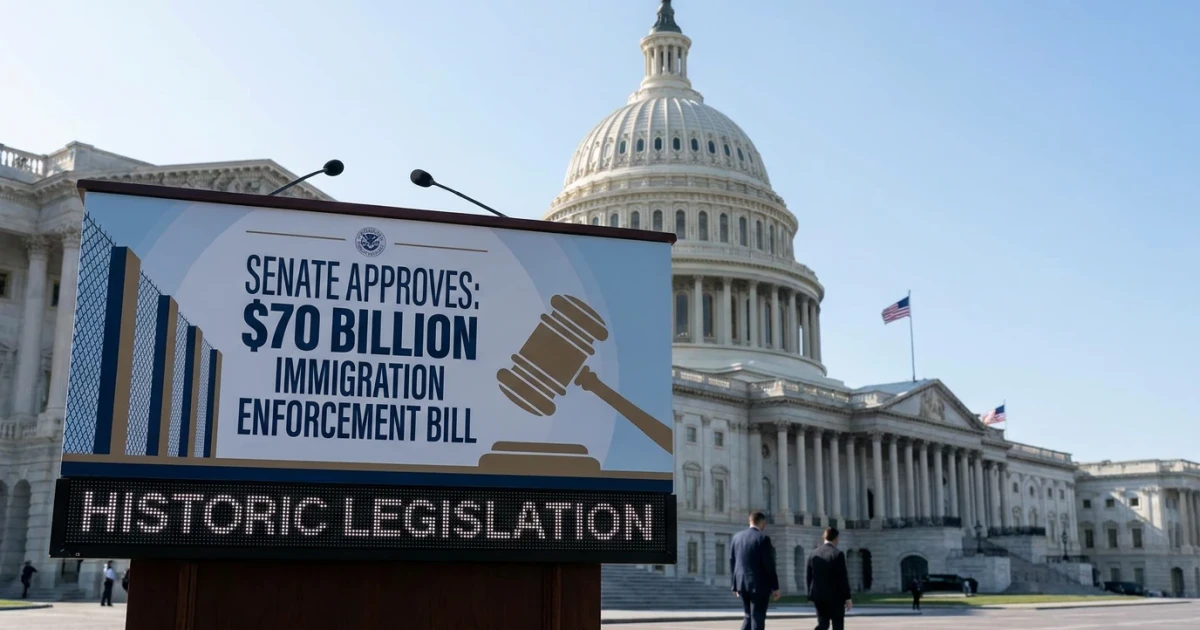
The U.S. Senate has approved a sweeping $70 billion immigration enforcement bill, signaling a major shift in federal spending and strategy on border security and immigration policy. The legislation, backed by Republican leadership, passed on Wednesday after weeks of heated debate, and now heads to the House for further consideration. Both The New York Times and WGNO reported the passage, highlighting its scale and potential impact on agencies tasked with immigration enforcement.
Key Provisions and Funding Breakdown
- $70 billion in funding for immigration enforcement over multiple years
- Significant increases in personnel for U.S. Customs and Border Protection and Immigration and Customs Enforcement
- Expanded resources for building and maintaining border infrastructure, including new barriers and surveillance technology
- Additional funding for immigration courts to address case backlogs
- Mandates for stricter enforcement of existing laws and enhanced removals of unauthorized migrants
The Congressional Budget Office’s cost estimate details the allocation of funds and projected effects on federal spending. The bill’s full legislative text, available through Congress.gov, outlines new measures aimed at reducing illegal crossings and strengthening the enforcement powers of federal agencies.
Political Context and Senate Debate
The passage of the bill marks the culmination of months of negotiation, with Republican lawmakers arguing that a substantial investment is necessary to address the ongoing challenges at the U.S.-Mexico border. Democrats expressed reservations about several enforcement measures, raising concerns about humanitarian impacts and the effectiveness of large-scale spending. According to The New York Times, the legislation is seen as a cornerstone of the GOP’s strategy to prioritize border security ahead of the upcoming election cycle. WGNO emphasized that the bill received robust support from Republican senators, while the Democratic caucus was divided, with some voting in favor amid pressure from constituents facing local impacts of migration.
Enforcement Actions and Policy Changes
The bill mandates a sharp increase in apprehensions and removals, with new funding directed toward expanding detention facilities and hiring additional agents. Recent data from the Migration Policy Institute shows that enforcement actions have fluctuated in recent years, but proponents argue that the new resources will enable agencies to process cases more efficiently and curb unauthorized entries. The legislation also sets stricter guidelines for asylum claims and limits eligibility for certain forms of relief, aiming to streamline proceedings and reduce appeals.
Impact on Immigrant Communities and Legal Residents
The bill’s broader implications extend to lawful permanent residents and those seeking legal status, as enforcement priorities may shift and processing times could be affected. Advocates for immigrant rights have raised alarms about potential increases in family separations and barriers to legal pathways. The Pew Research Center’s summary of U.S. immigration policies highlights the tension between enforcement and humanitarian considerations, a debate echoed during Senate deliberations.
Next Steps and House Outlook
The bill now moves to the House of Representatives, where its fate remains uncertain. House leadership has signaled willingness to review the Senate’s proposal, but competing priorities and differing views on enforcement versus reform may lead to further amendments. Analysts anticipate intense lobbying from both sides, with advocacy groups urging changes to protect vulnerable populations and business interests focused on labor market impacts.
Analysis
While the $70 billion bill represents one of the largest investments in immigration enforcement in U.S. history, questions remain about long-term outcomes. The U.S. Government Accountability Office’s recent report recommends more rigorous oversight of DHS programs to ensure effectiveness and efficient use of resources. As the legislative process continues, stakeholders will be watching closely to see how enforcement measures are balanced with humanitarian concerns and whether the bill achieves its stated goals of reducing unauthorized migration.