Politics
Senate Approves New Federal Reserve Chair
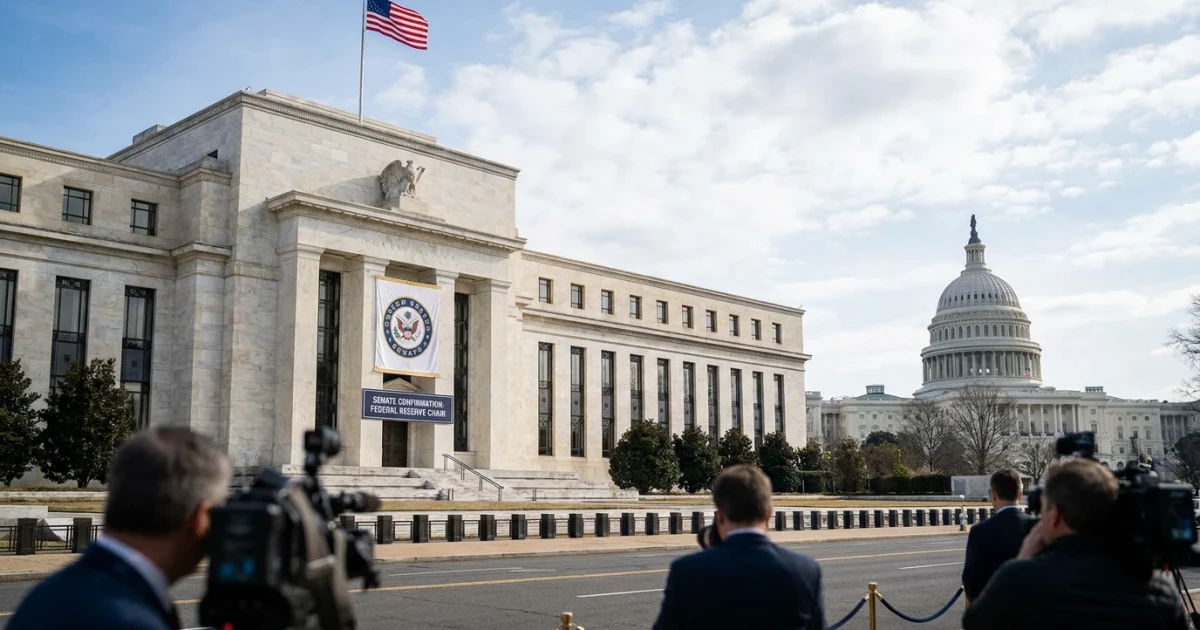
The U.S. Senate has confirmed the new chair of the Federal Reserve, setting the stage for fresh leadership at the nation’s central bank as it navigates a complex economic environment. The confirmation, reported by the Boston Herald, concludes a highly scrutinized nomination process and places the new chair at the helm of the Federal Reserve Board of Governors, a role with significant influence over national and global financial stability.
The Role and Responsibilities of the Fed Chair
The Federal Reserve chair leads the Board of Governors in setting key monetary policy decisions, including interest rates, supervision of banking institutions, and the oversight of economic research. The chair’s decisions affect everything from inflation and employment to the stability of the U.S. dollar and global financial markets.
According to a research analysis by Brookings, the chair’s influence extends beyond rate-setting: the position is central in crisis management, communicating economic policy, and shaping the Fed’s strategic direction. Past chairs have played critical roles in responses to financial crises, inflation surges, and shifting global economic conditions.
Senate Confirmation Process
The Senate’s confirmation of the new chair, as noted by the Boston Herald, followed hearings by the Senate Committee on Banking, Housing, and Urban Affairs. The process involved vetting the nominee’s experience, views on monetary policy, and strategies for addressing current economic challenges. Official records of the confirmation, including committee reports and vote details, are available through Senate nomination records and congressional reports.
- The Federal Reserve Board consists of seven governors, each appointed by the President and confirmed by the Senate for staggered 14-year terms.
- The chair is selected from among the governors for a four-year term, which may be renewed.
- Senate confirmation is a constitutional requirement for this pivotal position.
Challenges Ahead for Federal Reserve Leadership
The incoming chair takes office as the economy faces a mixture of persistent inflationary pressures, volatile financial markets, and ongoing debates over the pace and timing of interest rate changes. The Federal Reserve’s recent data releases reflect a balancing act between controlling inflation and supporting employment.
- Recent months have seen inflation rates remain above the Fed’s target, prompting ongoing policy debates.
- Global factors, such as geopolitical tensions and supply chain disruptions, continue to impact U.S. economic growth.
- Financial markets are closely watching the Fed’s next moves, and the chair’s guidance will shape investor expectations.
Historical Context and Significance
The position of Federal Reserve chair has long been viewed as one of the most influential in economic policymaking. A historical review of past chairs highlights the diverse approaches and legacies left by previous leaders, from Paul Volcker’s fight against inflation in the 1980s to Ben Bernanke’s role during the 2008 financial crisis.
As the new chair steps into office, economists and policymakers will be watching closely to see how their leadership style, policy priorities, and communication shape the next phase of U.S. monetary policy.
Looking Forward
With Senate confirmation complete, the Federal Reserve’s new chair faces the immediate task of presiding over upcoming meetings, setting the tone for policy debates, and communicating with both the public and financial markets. Their actions in the coming months will be critical as the Fed seeks to foster stable prices, maximum employment, and financial system resilience.