Politics
Senate Blocks Cuba Energy Bill as U.S. Maintains Pressure
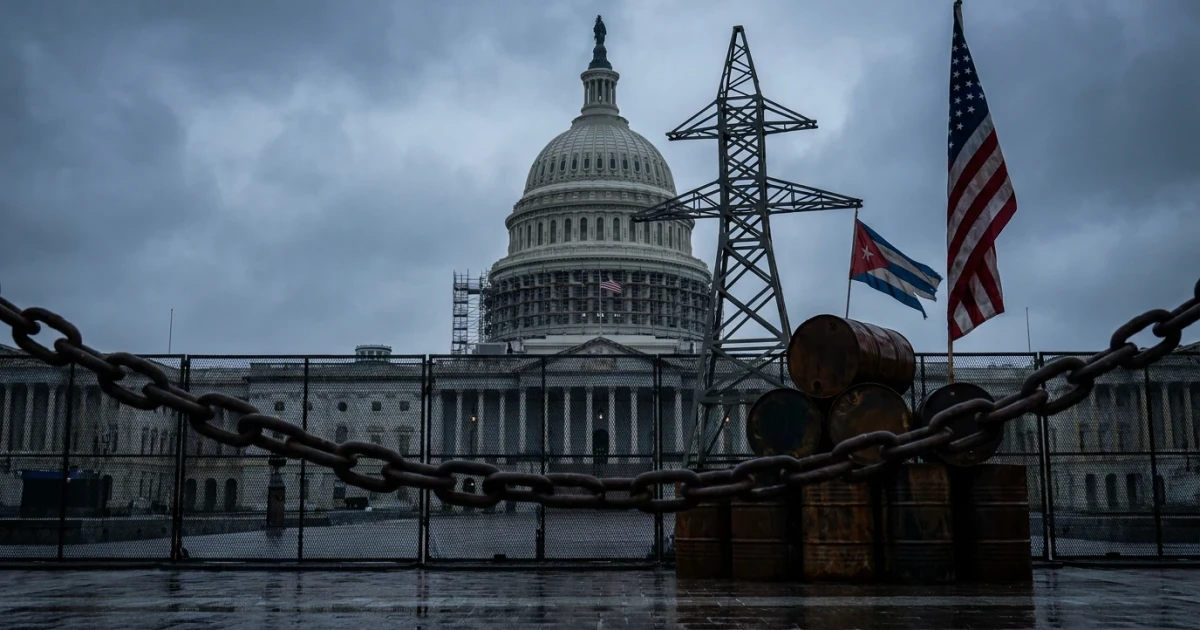
The U.S. Senate rejected a key bill aimed at loosening energy restrictions on Cuba, ensuring that the longstanding pressure on the island’s energy sector remains intact under the current administration. The decision reflects a continuation of Trump-era policies and leaves Cuba facing persistent energy challenges.
Senate Vote Upholds Energy Sanctions
The recent Senate vote saw lawmakers turn down a proposal that would have permitted greater U.S. energy cooperation with Cuba. The bill, known as the Senate Bill S.1694, was designed to facilitate U.S. private sector involvement in Cuba’s energy market and potentially ease some of the embargo’s strictest provisions. Its rejection signals a bipartisan consensus to maintain current restrictions.
This outcome means that the Trump administration’s policies—characterized by tightened sanctions and limited energy trade—remain in effect. The Senate’s move was covered by Türkiye Today, which noted the ongoing White House stance to keep up economic pressure on Cuba’s government, especially in the strategically sensitive energy domain.
Impact on Cuba’s Struggling Energy Sector
Cuba’s energy system relies heavily on imports, particularly for petroleum products, and is vulnerable to disruption due to its aging infrastructure and limited domestic production. According to the CIA World Factbook, Cuba imports the vast majority of its oil and natural gas, primarily from allies such as Venezuela, but recent global and regional shifts have made these supplies less reliable.
- Cuba generates about 95% of its electricity from oil and gas sources.
- Frequent blackouts and fuel shortages have become common in recent years.
- Domestic energy production covers only a fraction of demand, as detailed in the U.S. Energy Information Administration’s Cuba Country Analysis.
The Senate’s decision blocks avenues for U.S. companies to invest in or supply Cuba’s energy sector, perpetuating a dependence on less stable partners and aging infrastructure.
Continuity of U.S. Policy and International Response
The Trump administration’s approach, which sharply curtailed energy cooperation and increased sanctions, remains the guiding policy. The U.S. Department of State’s Cuba Sanctions page outlines the legal and regulatory framework that restricts most commercial exchanges, including those tied to energy technology and fuel.
Internationally, critics argue that these measures exacerbate humanitarian and economic challenges in Cuba, where energy outages impact hospitals, businesses, and daily life. Supporters of the restrictions maintain that economic pressure is necessary to push for reforms and human rights improvements on the island.
Broader Energy and Policy Implications
Experts note that the Senate’s vote reflects ongoing skepticism about rapprochement with Cuba, even as the island faces an energy crisis driven by the U.S. embargo and limited alternative suppliers. The existing sanctions framework makes it difficult for Cuba to upgrade its grid, diversify sources, or attract foreign investment in renewables.
- Energy shortages have led to rolling blackouts and economic slowdowns.
- Cuba’s efforts to expand renewables have been hampered by lack of capital and technology access, as noted in the Cuba Energy Sector Assessment Report.
For the U.S., the vote demonstrates continued alignment on a hardline approach to Cuba, despite calls from some advocacy groups and business interests for a more pragmatic engagement policy, especially in areas like energy security and climate cooperation.
Looking Ahead
With the Senate’s rejection of the energy approval bill, the status quo remains. Cuba’s energy system is likely to face ongoing challenges, with limited hope for relief from U.S. sanctions in the near term. The issue is expected to resurface as economic and humanitarian concerns persist, but for now, bipartisan consensus in Washington means the energy pressure on Havana will continue.