Politics
Senate blocks removal of ocean monitoring network after bipartisan push
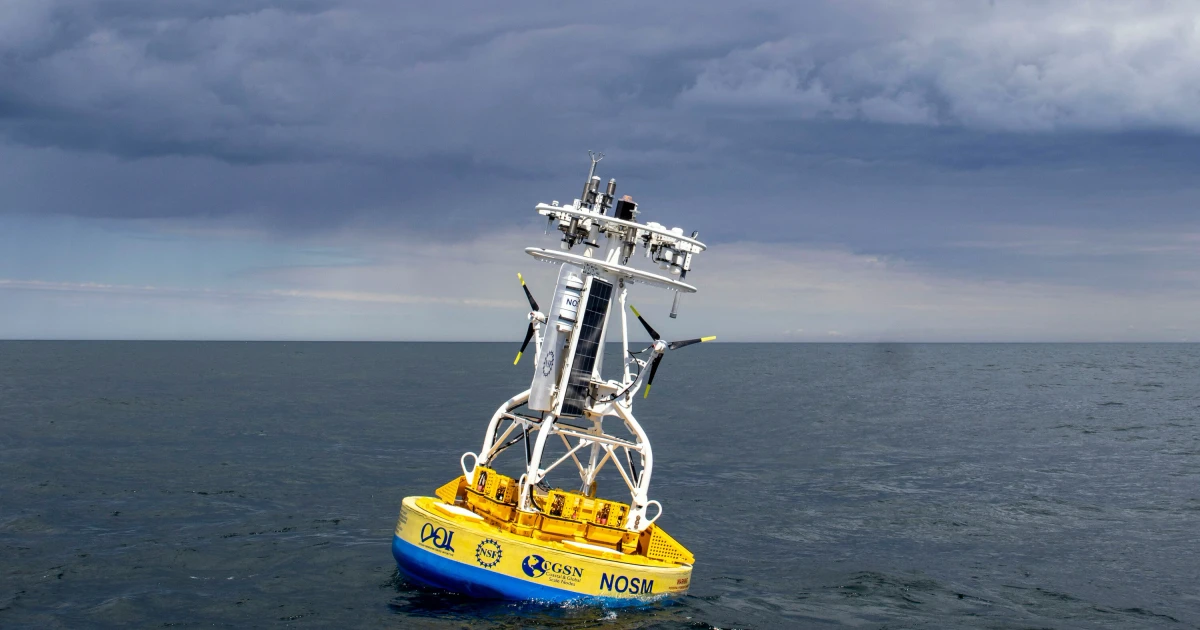
Deep-sea sensors that help track ocean circulation, extreme weather, climate change and marine conditions were poised to come out of the water until a bipartisan Senate push forced a reversal. The Ocean Observatories Initiative, a network of more than 900 instruments built at a cost of about $368 million to $386 million, had been operating since 2016 and was designed to run for roughly three decades.
The Senate passed a bipartisan bill on Wednesday to block the National Science Foundation’s plan to remove most of the network’s instruments from waters off Oregon, Washington, Alaska, North Carolina, Massachusetts and Greenland. Lawmakers said the first removal had been scheduled for Tuesday off Oregon, a move they argued would have begun dismantling a system meant to continue for another 15 to 20 years.
Sen. Jeff Merkley of Oregon and Sen. Lisa Murkowski of Alaska led the effort, joined by Sheldon Whitehouse, Tammy Baldwin, Patty Murray, Ron Wyden, Edward Markey, Elizabeth Warren, Chris Van Hollen and Maria Cantwell. They said the project’s data are freely available and have supported more than 500 scientific publications, giving researchers and public agencies a live feed on ocean circulation, marine ecosystems, ocean chemistry, water temperature, salinity, wave action and El Niño.
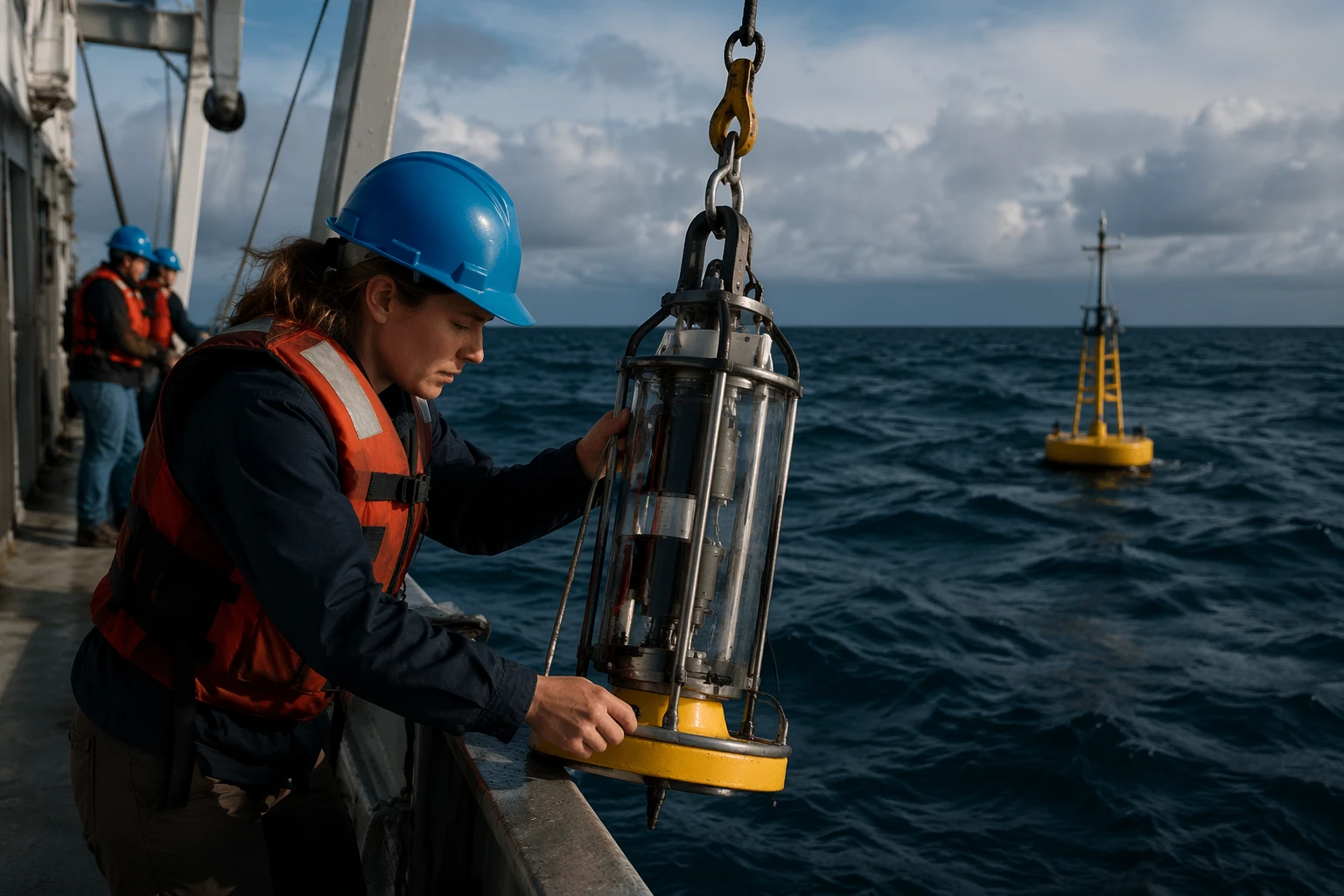
The lawmakers said the National Science Foundation moved without warning and without scientific review. House Democrats, including Reps. Zoe Lofgren and Jared Huffman, separately accused the agency of acting illegally after it quietly posted its intent to remove four of the five currently operating arrays on May 21, 2026. They warned that losing 80 percent of the project would threaten coastal communities, fisheries and national emergency preparedness.
The stakes were especially high in Alaska, where the observatory helps fishery managers and coastal hazard planners. The state’s commercial seafood industry is valued at $5.3 billion and supports nearly 42,000 jobs, making the loss of real-time ocean data more than an academic dispute as salmon crashes, crab collapses and repeated marine heat waves strain coastal economies.
The National Science Foundation has described the move as a “descoping” tied to evolving scientific priorities and emerging technologies, while saying previously collected data would remain accessible. But the National Academies warned that removing the deep-sea infrastructure could leave the United States without the information needed to understand El Niño, assess fisheries impacts and navigate Arctic national security concerns. For lawmakers from both parties, the network was not a luxury experiment but basic national infrastructure, and the Senate vote put that judgment on record.