Politics
Senate Clears Key Spending Package, But U.S. Faces Partial Shutdown Threat
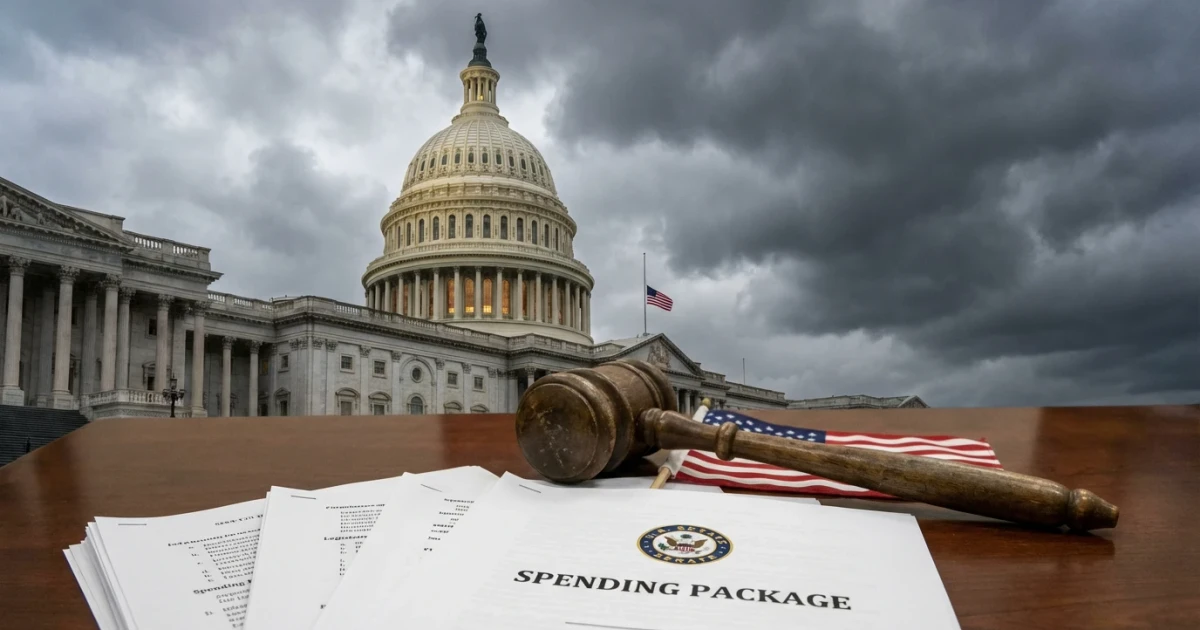
The Senate has given critical approval to a new spending package, yet the risk of a partial government shutdown remains as lawmakers continue to negotiate unresolved funding issues.
The Senate Moves Forward, But Uncertainty Remains
In a pivotal late-night session, the United States Senate passed a significant spending package aimed at keeping large portions of the federal government operational. However, the measure does not fully eliminate the threat of a partial shutdown, as other divisions of government funding remain in limbo. Lawmakers face mounting pressure to reach consensus and avoid service disruptions that could affect millions of Americans.
What the Spending Package Covers
This newly approved package addresses funding for several key government departments and agencies. While the details of the bill cover a wide range of programs and services, the legislation’s passage signals a step toward fiscal stability—at least for those agencies included in the deal. Not all areas of government are covered, leaving some operations at risk if further agreement cannot be achieved in the coming days.
The Partial Shutdown Looms
Despite the Senate’s progress, a partial government shutdown remains a real possibility. Negotiations over remaining funding bills have stalled, reflecting ongoing divisions within Congress. Without swift action, certain government offices may be forced to close or reduce services, impacting:
- Federal workers facing furloughs
- Delays in government services for citizens
- Potential disruptions to public programs and benefits
Historically, shutdowns can have significant economic and social ripple effects, underscoring the urgency for lawmakers to resolve their differences.
What’s at Stake
Government shutdowns impact a broad array of services, from national parks and museums to essential social safety net programs. With only part of the government’s funding secured, uncertainty persists for those relying on public resources and for federal employees unsure about their paychecks. Policymakers are under intense scrutiny to avoid the cascading effects of a stalled government.
Next Steps for Lawmakers
The Senate’s action represents progress, but the House of Representatives must also approve any final agreements. Bipartisan negotiations are expected to continue, with leaders on both sides expressing urgency to avoid a shutdown. Observers will be watching closely as the deadline approaches, with the hope that a comprehensive funding solution will be reached before critical services are interrupted.
Conclusion: High Stakes as Deadline Nears
As the U.S. government stands on the brink of another partial shutdown, the Senate’s passage of a major spending package provides only partial relief. The coming days will be crucial as Congress works to resolve the remaining funding gaps and prevent disruptions that would affect both federal workers and the public at large. Americans await the outcome of these last-minute negotiations, mindful of the significant consequences that a lapse in government funding could bring.