Business
Senate Confirms Kevin Warsh as New Federal Reserve Chair
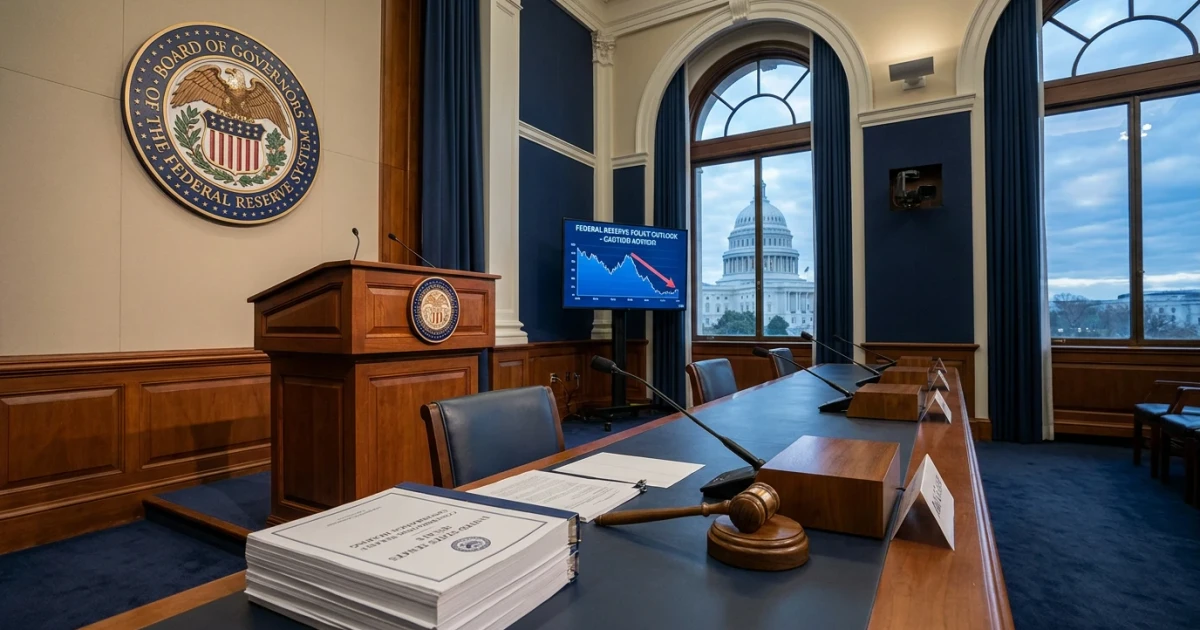
Kevin Warsh was confirmed by the Senate as the next chair of the Federal Reserve on Tuesday, succeeding Jerome Powell and taking the reins at a critical moment for U.S. economic policy. The confirmation, reported by The Washington Post, comes as key allies of former President Donald Trump signal that interest rate reductions may be delayed, reflecting ongoing debates over the central bank’s direction.
Warsh Takes Helm Amid Economic Uncertainty
Warsh’s confirmation marks a significant leadership transition for the central bank. He joins at a time when policymakers are facing heightened scrutiny over monetary policy, particularly regarding the timing of potential interest rate cuts. The Senate’s action, which was also noted by CNN, ends Jerome Powell’s tenure and initiates a new chapter for the Fed’s Board of Governors.
Trump Allies Urge Caution on Rate Cuts
According to The Washington Post, prominent Trump supporters have publicly warned that rate reductions may have to wait, underscoring concerns about inflation and broader economic stability. These allies argue that premature cuts could undermine the Fed’s efforts to balance growth and price stability. Their stance adds a political dimension to the Fed’s traditionally independent decision-making process and suggests that Warsh may face pressure to justify any major shifts in policy.
- The Fed’s benchmark federal funds rate remains a focal point for markets and policymakers.
- Recent policy statements from the Federal Open Market Committee (FOMC) have emphasized a data-dependent approach to rate adjustments.
- Official confirmation records for Warsh can be found at Congress.gov.
What Warsh’s Appointment Means for Monetary Policy
Warsh, an experienced figure in financial policy circles, is expected to bring a pragmatic yet cautious approach to the central bank’s top job. His confirmation is seen as a move that could reinforce continuity in the Fed’s handling of inflation, employment, and financial stability, while also navigating new expectations from the political sphere.
For more on the role and powers of the Federal Reserve chair, readers can explore resources that detail the responsibilities and influence of the position.
Looking Ahead
As Warsh begins his term, all eyes will be on upcoming FOMC meetings and statements for indications of any policy shifts. Market participants and lawmakers alike will be watching for signals about interest rates, inflation trends, and the Fed’s broader economic outlook. The interplay between political expectations and economic data will shape Warsh’s early tenure and set the tone for the central bank’s next chapter.