Health
Senate confirms Mark Cruz to lead Indian Health Service
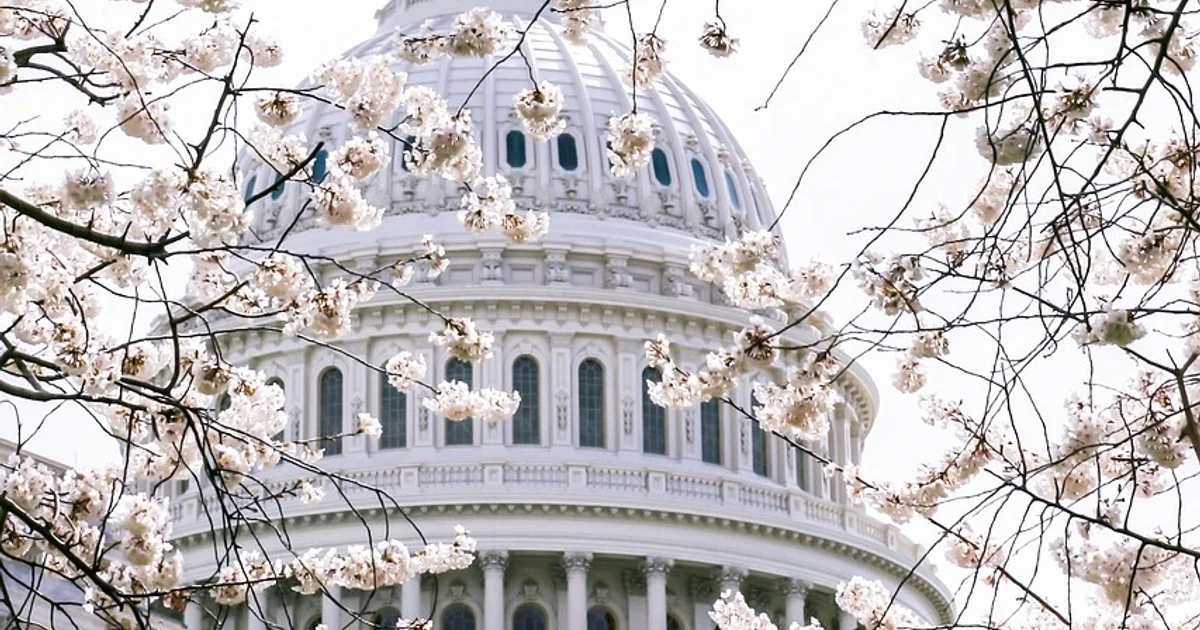
The Senate confirmed Mark Cruz on Friday to lead the Indian Health Service in a 51-47 vote, giving the agency a Senate-approved director after more than a year without one. The post carries direct consequences for tribal communities across the country because the Indian Health Service finances and delivers care for about 2.8 million Native Americans through hospitals, clinics and public health programs.
Cruz, a citizen of the Klamath Tribes of Oregon, was confirmed as part of an en bloc package of nominations. His appointment places him at the center of an agency that tribal leaders, lawmakers and health advocates have pressed to strengthen amid persistent staffing shortages, chronic underfunding and long-standing gaps in access to care.
Those pressures have been documented for months. On May 6, 2025, Sens. Jeff Merkley, Brian Schatz and Lisa Murkowski warned about staffing shortages at the Indian Health Service. A July 21, 2026 policy update from the National Council of Urban Indian Health flagged Cruz’s nomination hearing and fiscal year 2027 appropriations, underscoring how closely the leadership vacancy was tied to the funding fight ahead. One 2026 report said the agency was contending with stubbornly high provider vacancy rates and a 30-year backlog of facilities needing replacement.
The confirmation also lands while Indian health programs are still absorbing other internal changes. A fiscal year 2025 budget justification listed Roselyn Tso as director, and a June 13, 2025 Indian Health Service letter said the acting director was beginning tribal consultation and urban confer on a proposed realignment of the agency. That means Cruz inherits not only vacancies and facilities problems, but also ongoing consultation obligations with tribal and urban Indian leaders.

For tribal communities, the stakes go beyond personnel in Washington. A confirmed director can move faster on recruiting clinicians, repairing aging buildings, coordinating emergency response and supporting prevention efforts in places where medical access is often limited by distance and workforce shortages. The health burden remains severe: federal and tribal public health materials have long pointed to higher rates of diabetes, substance-use disorder, maternal complications and suicide in Native communities, and a 2025 maternal-health policy brief said American Indian and Alaska Native women are two to three times more likely to die of pregnancy-related causes than White women.
Murkowski, chair of the Senate Committee on Indian Affairs, congratulated Cruz after the vote, and the National Indian Health Board also welcomed the confirmation. After a prolonged vacancy, tribal leaders will now be watching whether Cruz can turn that political opening into steadier staffing, stronger infrastructure and more reliable care on the ground.
Sources
- [1]apnews.com
- [2]opb.org
- [3]indian.senate.gov
- [4]nihb.org
- [5]ncuih.org
- [6]ihs.gov
- [7]hhs.gov
- [8]minorityhealth.hhs.gov
- [9]amwa-doc.org