Politics
Senate deadlock over Trump intelligence pick lets spy authority expire
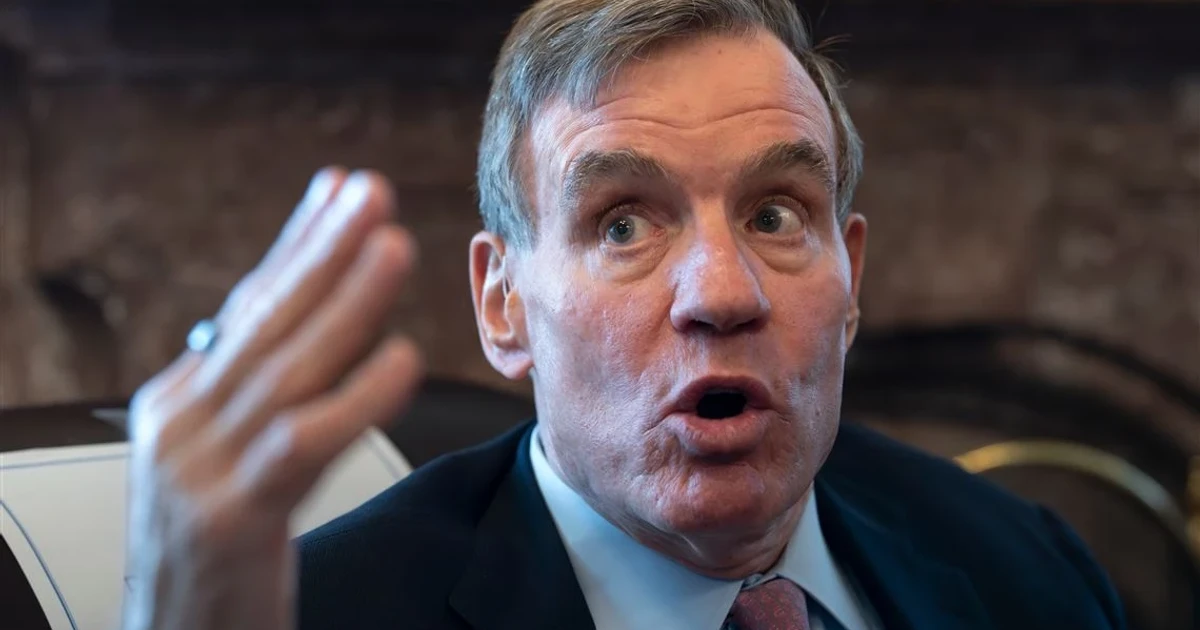
The fight over Donald Trump’s acting intelligence chief did more than stall a personnel choice. It helped derail a bipartisan effort to extend Section 702 of the Foreign Intelligence Surveillance Act, a core surveillance authority that expired at midnight Friday and exposed a rare split over national security.
Trump named Bill Pulte, the Federal Housing Finance Agency director, as acting director of national intelligence on June 2 after Tulsi Gabbard resigned as director of national intelligence in May. Her departure is effective June 30. Democrats and some Republicans objected that Pulte had no national security or intelligence background, and Sen. Mark Warner, the top Democrat on the Senate Intelligence Committee, called him a “national security risk” and said he was “grossly unqualified” for the post.
That fight spilled directly into the surveillance debate. Democrats said they would not support reauthorizing Section 702 while Pulte remained in the acting DNI job, and the House of Representatives rejected a short-term extension in a 198-218 vote. The authority, which has been in place since 2008, is used to collect foreign communications overseas and has long been one of the most important tools in the U.S. intelligence arsenal.
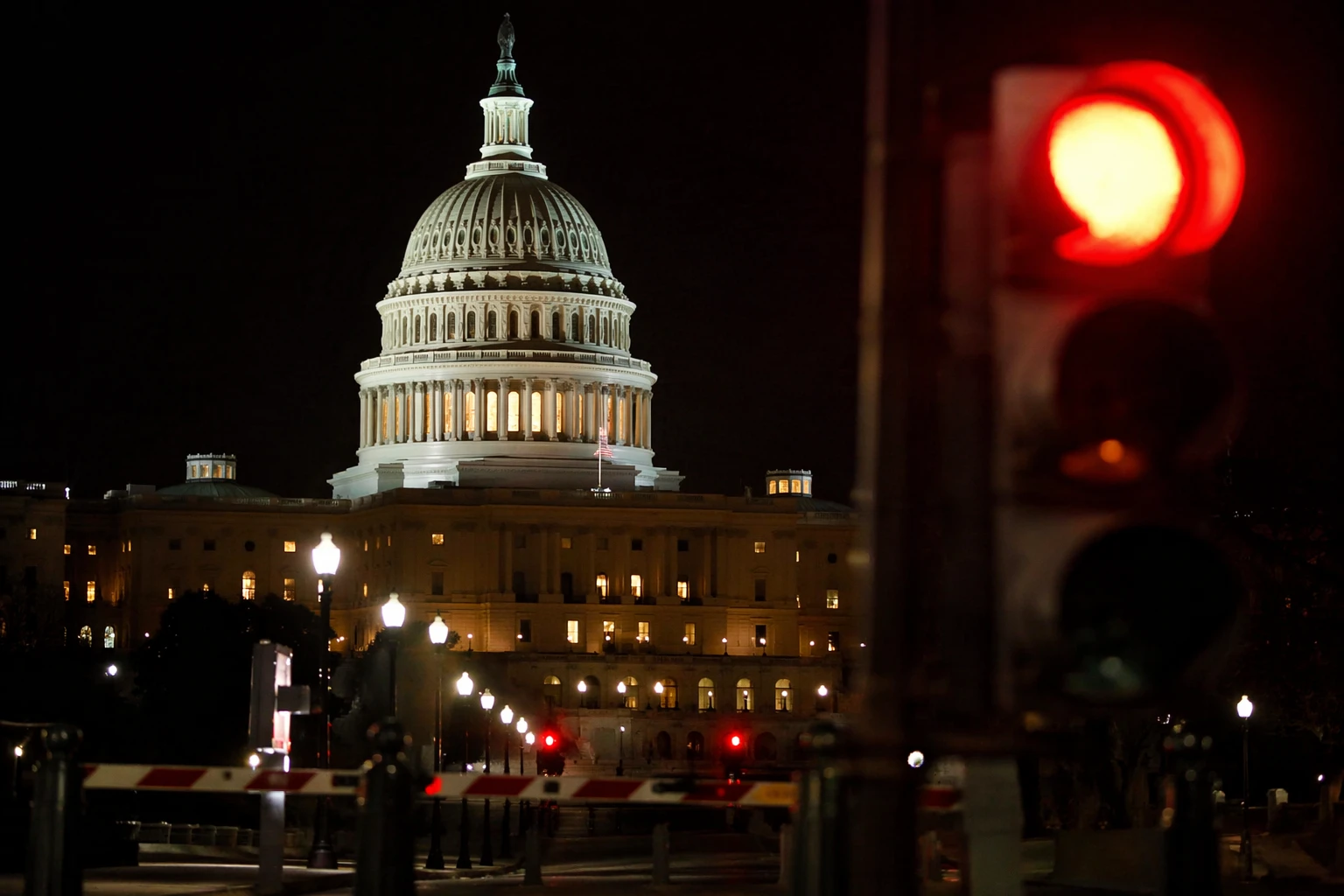
After the extension effort collapsed, Trump announced on June 11 that he would nominate Jay Clayton, the Manhattan U.S. attorney and former Securities and Exchange Commission chairman, for the permanent DNI job. The Senate Intelligence Committee has scheduled Clayton’s confirmation hearing for June 17, and Warner said Sunday he hopes the Senate can confirm Trump’s pick “this week.” Senate Republicans are also pressing for swift action.
The immediate governing question is whether Clayton’s confirmation can unlock the broader national-security logjam. With Pulte still in the acting role, Democrats have linked the fate of Section 702 to the White House’s choice of intelligence leadership, turning a surveillance reauthorization into a test of the administration’s personnel judgment.
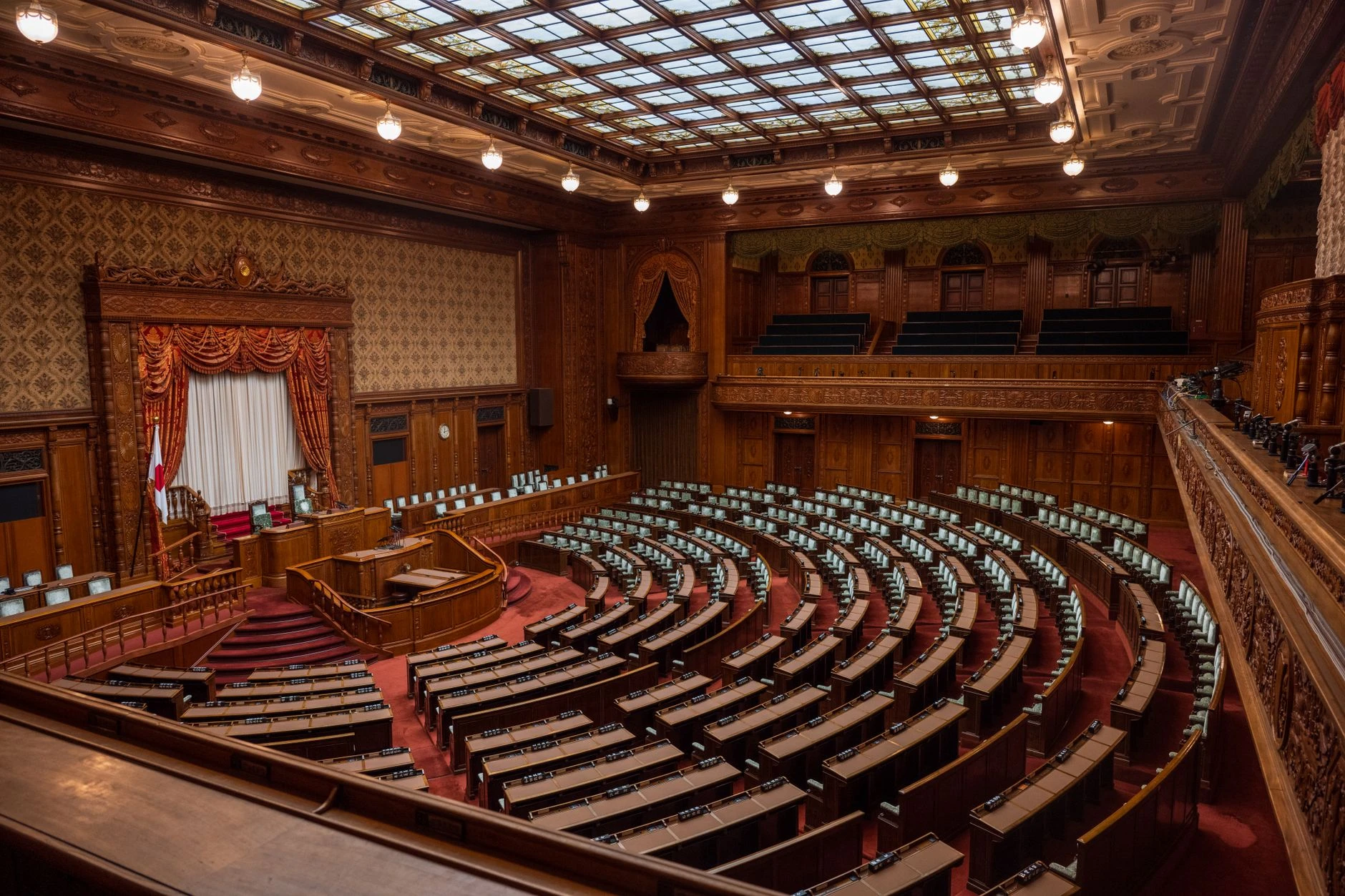
For now, the lapse leaves Congress to confront the first expiration of Section 702 since the law was enacted in 2008. The next move will determine whether lawmakers restore the authority quickly or let the standoff over intelligence leadership keep bleeding into operations that underpin U.S. spying policy.
Sources
- [1]cbsnews.com
- [2]msn.com
- [3]politico.com
- [4]wtop.com
- [5]nbcnews.com
- [6]usnews.com
- [7]rollcall.com
- [8]warner.senate.gov