Politics
Senate Deadlock Prolongs Government Shutdown Over DHS Funding
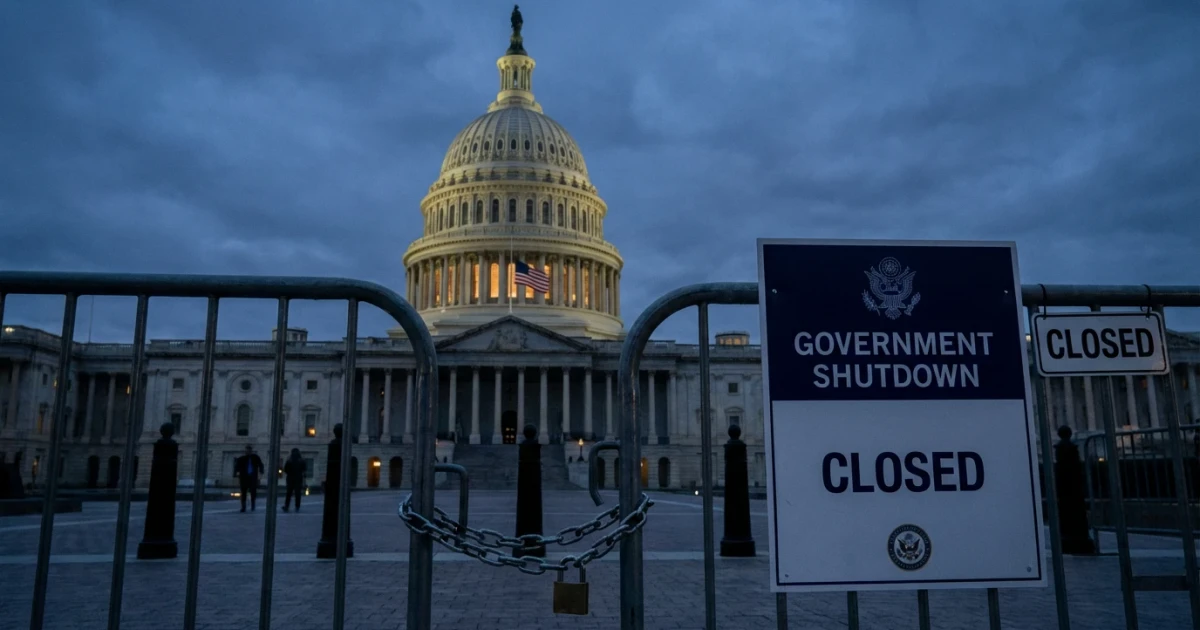
Congressional gridlock over Department of Homeland Security (DHS) funding continued this week, as the Senate failed to advance a key funding measure, effectively prolonging the partial government shutdown that has disrupted federal operations across the United States. The failed procedural vote leaves thousands of federal employees facing ongoing uncertainty and has intensified debate over the path forward.
Senate Blocked on DHS Funding Bill
The Senate’s inability to advance the measure, reported by PBS, highlights the ongoing partisan divide over appropriations for DHS. The legislation in question was designed to restore funding to the agency, which oversees critical national security and public safety functions. Despite efforts to negotiate a compromise, the measure did not secure the necessary votes to move forward, effectively maintaining the status quo for the shutdown’s duration.
Impact on Federal Agencies and Employees
The partial government shutdown, now stretching into additional weeks, has had significant implications:
- Thousands of federal employees remain furloughed, with many more working without pay.
- Key agencies, including DHS, are operating under contingency plans limiting essential services.
- Critical programs, such as border security and disaster response, face disruptions as resources are stretched thin.
Economic and Political Ramifications
According to a Congressional Budget Office report, prior shutdowns have resulted in billions of dollars in lost economic output, with ripple effects across private contractors, local communities, and the broader economy. The continued stalemate raises concerns about fiscal responsibility and government effectiveness, as lawmakers face mounting pressure from constituents and advocacy groups.
Historically, funding gaps such as this have occurred when Congress and the White House are unable to reach agreement on appropriations bills. The Congressional Research Service notes that such shutdowns have been used as leverage in broader policy disputes, though they often result in delayed services and financial hardship for federal workers.
What Happens Next?
With the Senate unable to advance the DHS funding measure, attention shifts to ongoing negotiations between party leaders. Legislative analysts point to the official Congressional record as a resource for tracking the status of similar funding bills and procedural votes. The outcome remains uncertain, but both sides face increasing calls to find a resolution that restores normal government operations and addresses the underlying policy disputes.
Looking Forward
The failure to advance DHS funding underscores the challenges of divided government and the complexities of the federal budget process. As the shutdown continues, its effects on public safety, economic activity, and public trust in government are likely to intensify. Lawmakers will need to find common ground—or risk further erosion of critical federal services and confidence in Washington’s ability to govern.