Politics
Senate Democrats Accuse Trump of Favoring Politically Connected Firms with Tariff Breaks
Senate Democrats Accuse Trump of Favoring Politically Connected Firms with Tariff Breaks
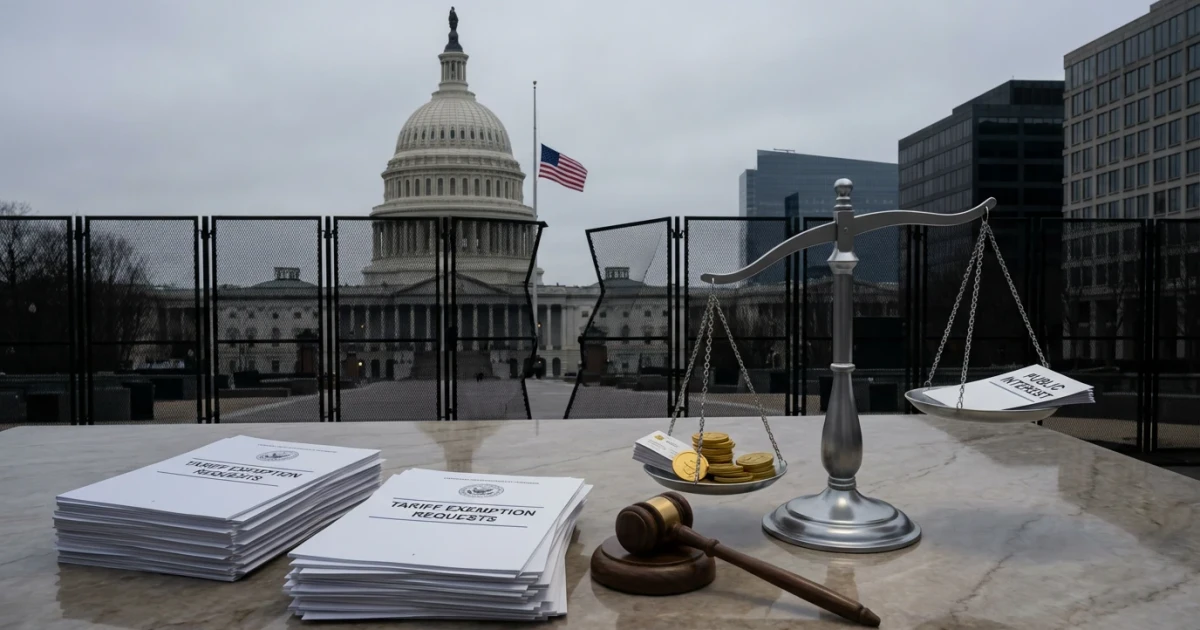
Senate Democrats have raised new concerns over the Trump administration’s handling of trade policy, alleging that tariff breaks were granted to companies with political connections, according to recent reporting from NPR. The accusations come as the debate over the fairness and transparency of U.S. tariff exemptions continues to shape the political landscape.
Allegations of Preferential Treatment
According to NPR, Democratic lawmakers in the Senate are scrutinizing decisions made during Donald Trump’s presidential term, focusing on the process through which certain companies received exemptions from tariffs. These exemptions, or tariff breaks, were designed to mitigate the impact of the Trump administration’s sweeping trade policies, particularly the tariffs imposed on goods imported from countries like China.
Concerns Over Political Influence
The central allegation is that the process for granting these tariff breaks may have favored businesses with political connections to the Trump administration. While the details of specific companies and the criteria used remain a subject of ongoing inquiry, the NPR report underscores the tension between the administration’s public rationale for tariffs—protecting American industries—and the behind-the-scenes mechanisms for granting relief from those same tariffs.
Background: Trump’s Tariff Policies
- Trump’s tariffs primarily targeted imports from China, Europe, and other trading partners in response to what the administration described as unfair trade practices.
- The tariffs led to increased costs for American manufacturers and importers, prompting thousands of requests for exemptions from affected companies.
- Tariff breaks, also known as exclusion requests, were meant to provide relief to firms that could demonstrate they were unable to source certain materials or goods domestically.
Senate Democrats Demand Transparency
Senate Democrats have called for greater transparency in how these decisions were made, arguing that the process should be based on clear criteria and free from political favoritism. They contend that any pattern of granting relief to politically connected companies undermines the fairness of the trade system and public trust in government decision-making.
Implications for Trade Policy and Oversight
This controversy highlights ongoing debates around the use of executive power in trade policy. The Trump administration’s aggressive use of tariffs was one of its hallmark economic strategies, but the procedures for managing the consequences of those tariffs have drawn bipartisan scrutiny. Lawmakers continue to examine whether the exclusion process was consistently applied and whether any undue influence was exerted.
Looking Ahead
As Congress considers reforms to trade policy and oversight, the questions raised by Senate Democrats signal a continuing focus on transparency and accountability in tariff administration. The outcome of these investigations could shape future approaches to both trade enforcement and relief mechanisms for American businesses.
For more on U.S. trade policy, visit the official United States Trade Representative website.
Sources
- [1]NPR