Politics
Senate Democrats Block Government Funding Amid Minneapolis Shooting Crisis
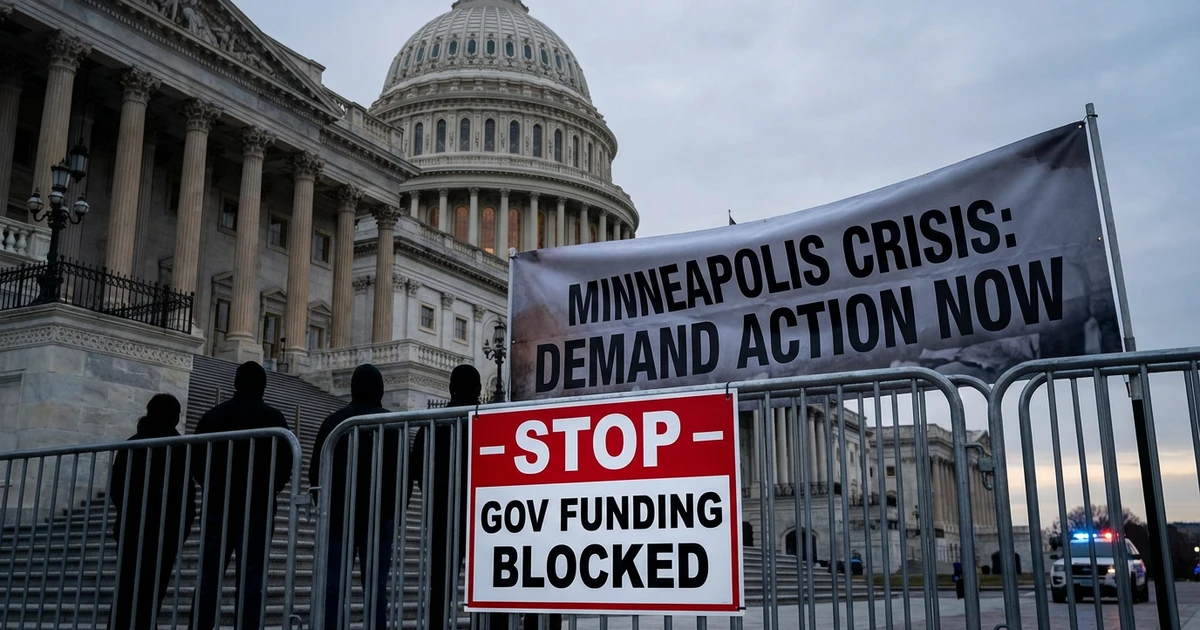
Senate Democrats are taking a dramatic stand on Capitol Hill, announcing a blockade of government funding measures in response to a second fatal shooting in Minneapolis. The move has thrown congressional negotiations into uncertainty and heightened the national debate over gun violence and public safety.
Funding Talks Stall After Tragic Events in Minneapolis
Congressional talks over government spending, which were already contentious, reached a new impasse following the recent fatal shooting—one of two in Minneapolis in quick succession. According to reports from multiple outlets, Senate Democrats have stated their intent to block key appropriations bills, including those related to the Department of Homeland Security (DHS). The Washington Post highlighted that the blockade aims to pressure lawmakers to address gun violence more directly in the wake of the city's latest tragedy.
Democratic Strategy: Leverage Over Federal Spending
The blockade represents a calculated effort by Democrats to use their legislative authority to demand urgent action on public safety. NBC News noted that the focus is specifically on the DHS funding bill, a critical piece of legislation required to keep key government functions running. By withholding support, Democrats hope to force a policy response to what they see as a preventable trend of violence.
- Two fatal shootings in Minneapolis have occurred in a short period, intensifying calls for reform.
- Senate Democrats have publicly linked their funding blockade to the need for stronger federal intervention on gun violence.
- Federal funding for agencies including DHS is at risk, with potential implications for government operations nationwide.
Political Stakes and National Implications
CNN reports that the deadlock has left government funding talks in limbo. With the Senate divided, the lack of Democratic support threatens to stall or derail several appropriations bills. The ripple effects extend beyond Washington, as local governments and agencies brace for possible funding delays.
Both parties face mounting pressure: Democrats to show their constituents they are taking decisive action, and Republicans to find a legislative path forward that addresses public safety concerns without conceding on their policy positions. The ongoing standoff also raises the specter of a broader government shutdown if a compromise cannot be reached soon.
Key Facts as Reported
- Senate Democrats have unified in opposition to advancing government funding bills following the second fatal shooting in Minneapolis.
- The Department of Homeland Security's funding is a primary point of contention.
- Negotiations remain stalled, with both sides citing public safety and fiscal responsibility as central issues.
Analysis: Will the Blockade Spark Change?
This unprecedented escalation underscores the growing national divide over approaches to gun violence and public safety. By tying government funding to action on shootings, Democrats are betting that the urgency of the issue will force a policy breakthrough. However, the strategy also carries risks, including the potential for government disruptions and public backlash if essential services are affected.
As negotiations continue, both lawmakers and the public are watching to see whether this latest standoff will yield meaningful reforms or further entrench partisan divisions. For now, Minneapolis has become the latest flashpoint in a national crisis, and the outcome of these funding talks could set the tone for future debates on public safety and federal spending.
Looking Ahead
With the next government funding deadline looming, the pressure is on for both parties to negotiate a resolution. The coming days will be critical in determining whether Congress can break the impasse and address the concerns that have brought legislative business to a halt.
Sources
- [1]The Washington Post
- [2]CNN
- [3]NBC News