Politics
Senate Democrats launch first election observer program for congressional staff
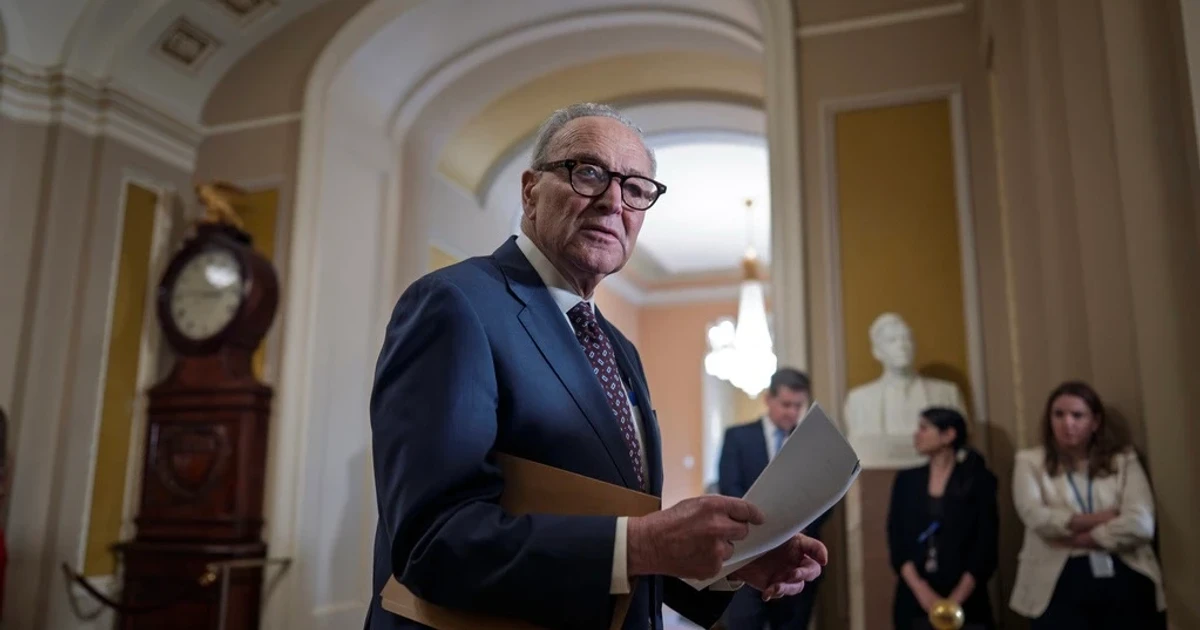
Senate Democrats moved to create the first-ever Senate Election Observer Program, a new effort that will train and designate Democratic senators’ staff to monitor polling places, ballot counting, canvassing and certification in states with Senate races. The program is being pitched as nonpartisan, official and strictly noninterfering, but it also arrives in a political environment where the authority of partisan-aligned observers is likely to be scrutinized.
Chuck Schumer and Alex Padilla are leading the effort. Senate Democratic materials say the staffers will document attempted voter interference, threats against election workers, misinformation, disinformation and other efforts to meddle with fair elections. Padilla said the party has not finalized where observers will be sent, though close races are expected to be a major factor.
The new Senate plan mirrors the House Committee on House Administration’s Election Observer Program, which launched in September 2024 and sends congressional staff to election sites to record factual information for use in election contests or seating battles. House officials say any House staffer can volunteer and must complete training, giving the chamber a formal pipeline for observers who are part of Congress but not election officials.
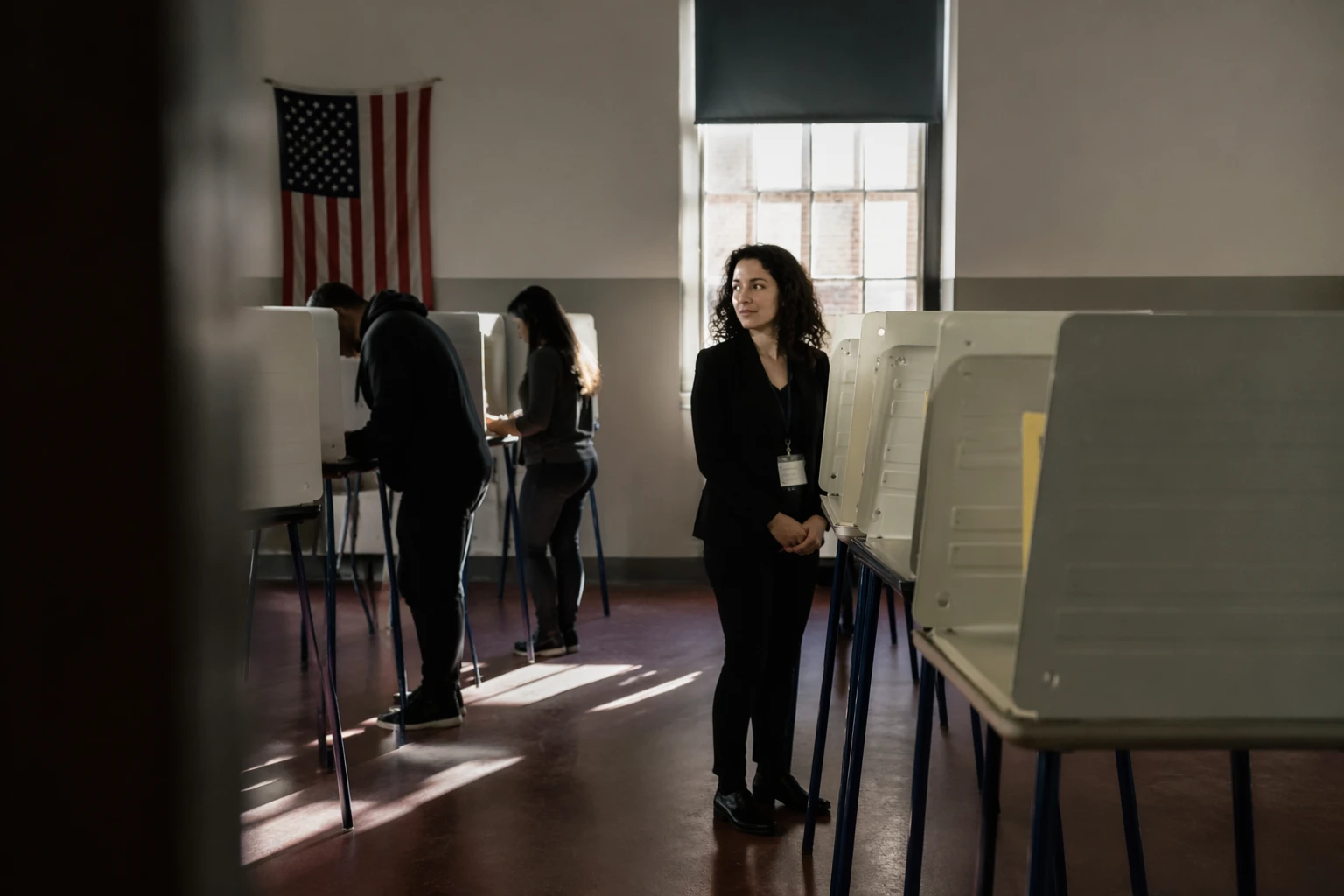
That distinction matters because congressional staffers do not have the same independent standing as neutral federal monitors. The federal observer program created under the Voting Rights Act dates to 1966 and is run through the Office of Personnel Management in partnership with the Justice Department. By contrast, the Senate program is tied to Democratic staff and Democratic leadership, even if its backers say the work will be official and noninterfering.
The limits on what observers can do are also set by state law. The U.S. Election Assistance Commission says each state controls when and where observers may be present and who is allowed to observe, which means the Senate program will have to operate through a patchwork of different rules across states with Senate races.
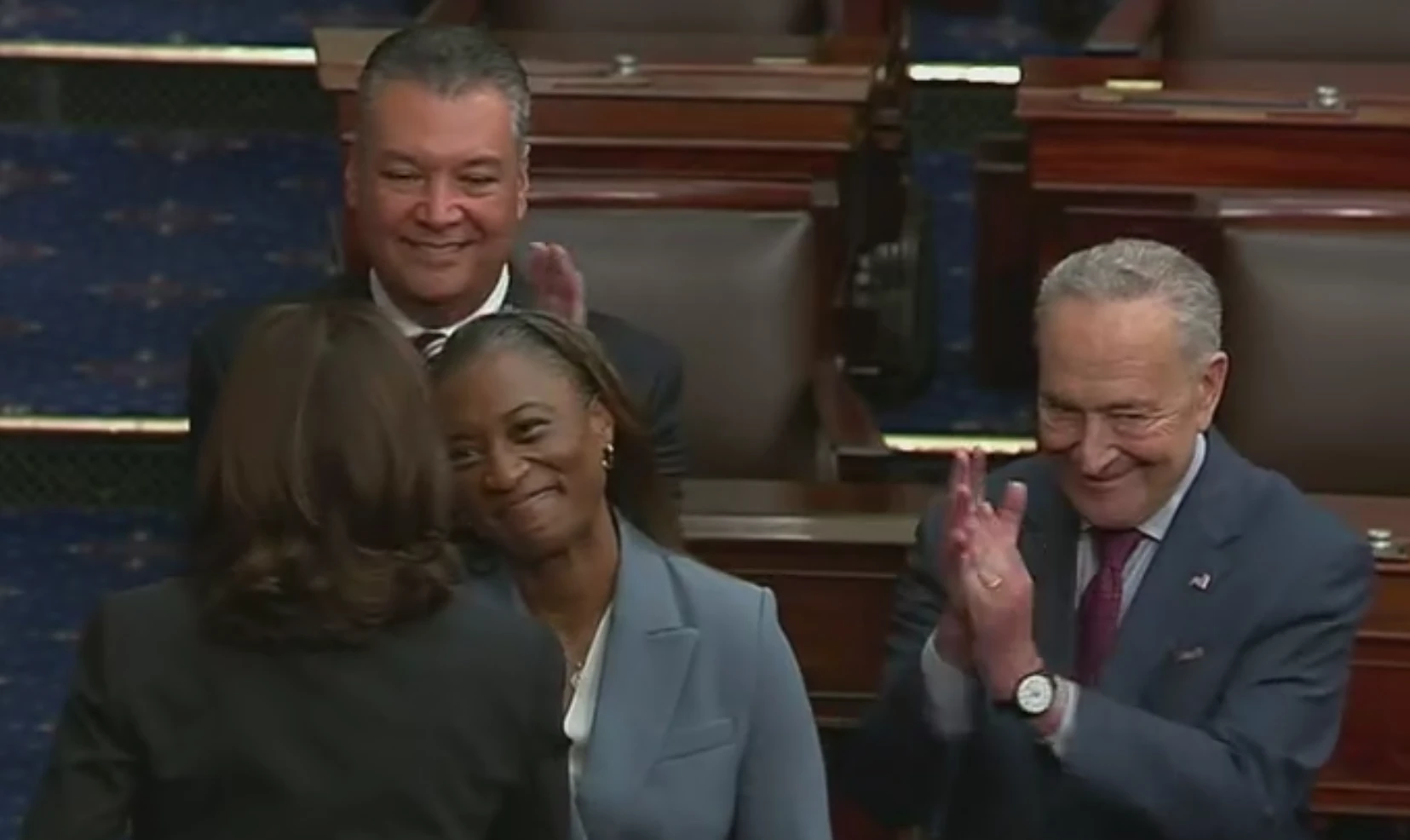
Democrats have framed the observer push as part of a broader election-protection effort ahead of the 2026 midterms, when voters will choose Senate nominees in 35 states. Schumer and other Democrats have already announced an Election Protection Task Force to coordinate with election experts on threats to the midterms, underscoring how much of the party’s election strategy is now focused on prevention, documentation and the optics of oversight. Whether that reassures voters or reinforces claims of partisan monitoring will depend on how visibly the program stays within state rules and how carefully it draws the line between observation and intervention.
Sources
- [1]cbsnews.com
- [2]democrats.senate.gov
- [3]cha.house.gov
- [4]eac.gov
- [5]nytimes.com
- [6]notus.org