Politics
Senate Democrats Push Bill for Tariff Refunds
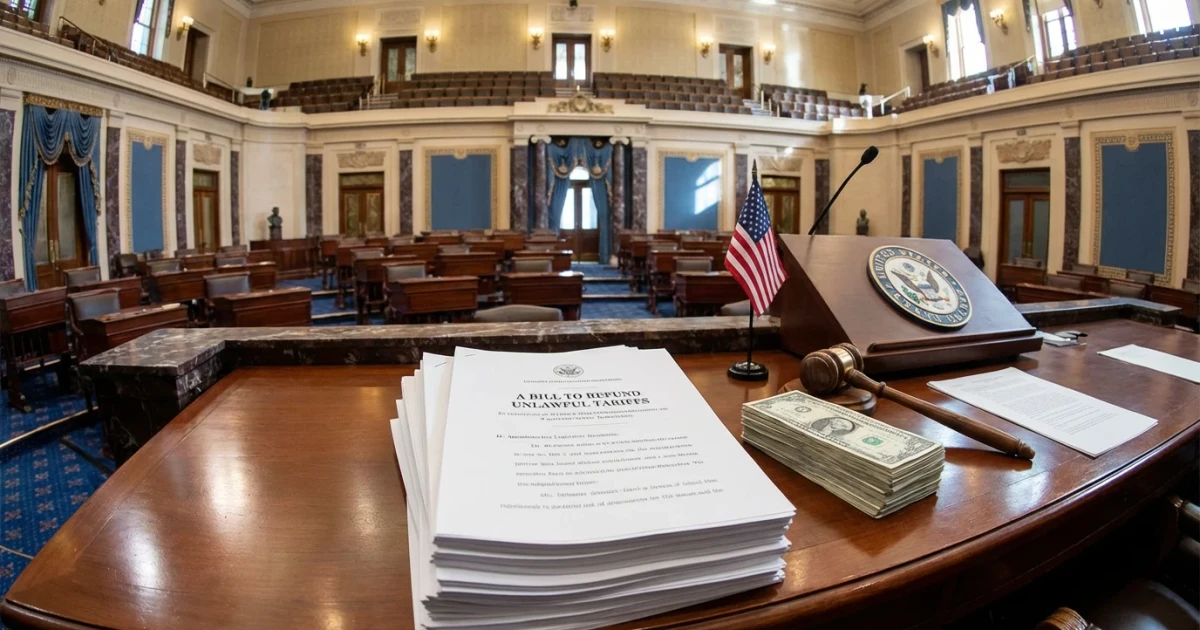
Senate Democrats have introduced new legislation seeking to mandate refunds for tariffs imposed during the Trump administration that have been ruled unlawful by federal courts, signaling an ongoing debate over the long-term effects of the previous administration's trade policies.
Background: Trump-Era Tariffs and Legal Challenges
During Donald Trump's presidency, the United States imposed a series of tariffs on goods from countries including China, utilizing authorities under Section 301 of the Trade Act of 1974. These tariffs were intended to address what the administration called unfair trade practices, but drew criticism from business groups and U.S. trading partners.
Legal challenges followed, with opponents arguing that some tariffs were imposed beyond the legal scope granted to the executive branch. In several cases, federal courts have ruled certain tariff actions as unlawful, opening the door to requests for refunds from affected importers.
Details of the Proposed Legislation
The new bill, introduced by Senate Democrats, would require the federal government to refund tariffs collected under measures that courts have deemed illegal. According to Reuters, the legislation aims to provide relief to U.S. businesses that paid millions of dollars in additional duties under contested tariff regimes.
The proposed law would cover refunds for tariffs levied on products and countries affected by disputed Trump-era actions, as documented in the Section 301 Trade Remedies administered by U.S. Customs and Border Protection. Refunds would be retroactively applied to importers who can demonstrate they paid tariffs later deemed unlawful by federal courts.
Economic and Trade Implications
Analysis from the U.S. Government Accountability Office found that tariffs imposed during the Trump administration resulted in significant increases in import costs for U.S. businesses across a range of industries. Many of these businesses have sought relief through legal and administrative processes, but refunds have been inconsistent due to the evolving legal landscape.
- According to the U.S. Census Bureau, tariffs contributed to fluctuations in U.S. imports and exports, particularly with China.
- The Office of the U.S. Trade Representative maintains official records of all Section 301 tariff actions, including those challenged in court.
Proponents of the bill argue that refunding unlawfully collected tariffs will support U.S. importers and help restore predictability in international trade. Critics, however, contend that such refunds may undermine the deterrence effect of presidential trade enforcement actions and complicate future negotiations with trading partners.
Political Outlook and Next Steps
The bill marks the latest congressional effort to address the aftermath of aggressive trade strategies under the previous administration. It reflects ongoing partisan divides over the appropriate use of tariff authority and the process for remedying executive overreach.
While the legislation faces an uncertain path in the Senate and possible resistance from House Republicans or the White House, its introduction highlights continued scrutiny of Trump-era trade policies and a push for legal and financial clarity for U.S. businesses.
Looking Ahead
As the bill advances through legislative committees, stakeholders in the import-export sector will be watching closely. The outcome could set important precedents for how tariff disputes are resolved and whether affected businesses can expect restitution when trade actions are ultimately found to exceed legal bounds.