Politics
Senate Democrats Push for Immigration Reforms as Condition for DHS Funding
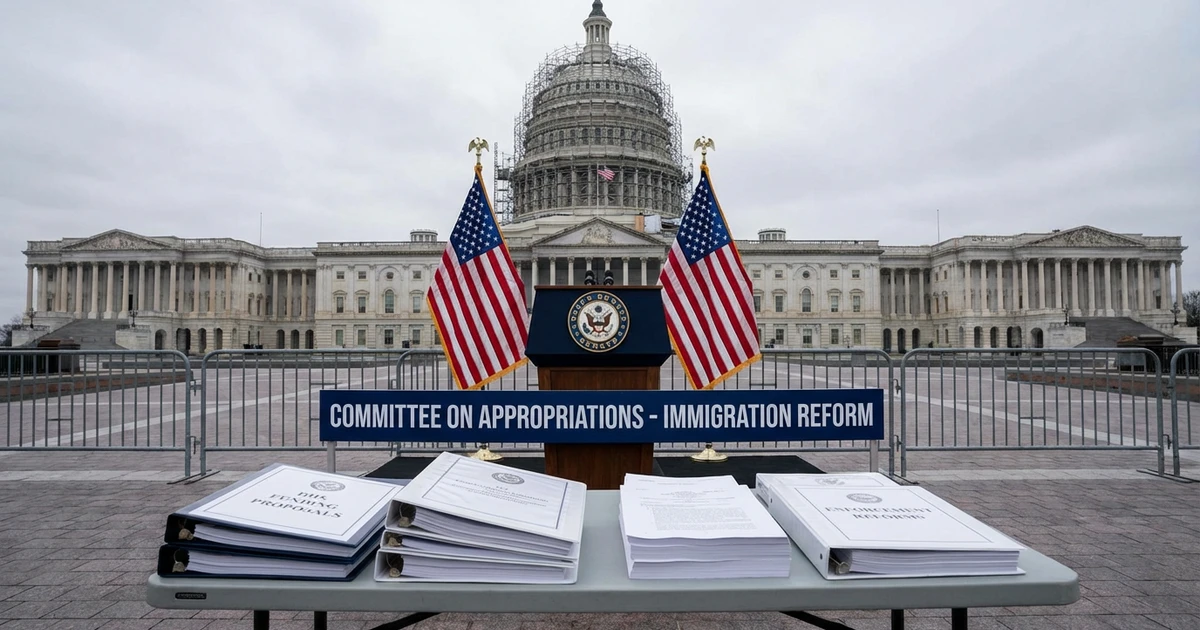
Senate Democrats have drawn a firm line in ongoing budget negotiations, demanding significant immigration enforcement reforms as a prerequisite for approving funding for the Department of Homeland Security (DHS). This move escalates a high-stakes standoff on Capitol Hill, with potential implications for border security and national operations.
Funding for DHS Hinges on Immigration Policy Changes
As Congress faces deadlines to renew funding for critical agencies, Democratic lawmakers in the Senate are leveraging their votes to push for changes in how immigration enforcement is handled at the federal level. The funding for DHS—which oversees agencies like U.S. Customs and Border Protection, Immigration and Customs Enforcement, and Citizenship and Immigration Services—remains in limbo until these reforms are addressed.
Key Issues at Stake
- Democrats are prioritizing reforms that could reshape the enforcement of U.S. immigration laws.
- They are withholding support for a DHS funding bill until their policy demands are considered.
- The standoff raises the risk of a partial government shutdown if funding is not approved in time.
Political Implications and Next Steps
This strategy places Senate Democrats at the center of the national debate on immigration. By making funding contingent on enforcement reforms, they are seeking to address long-standing concerns about the humanitarian and operational aspects of federal immigration policy. The outcome could significantly impact both the daily operations at the U.S. border and the political landscape leading into future elections.
Potential Impact on National Security and Border Operations
The Department of Homeland Security is responsible for a wide range of functions, including border security, immigration processing, and counterterrorism efforts. Delays in funding could affect:
- Staffing levels for border enforcement agencies
- Processing times for asylum and immigration cases
- Deployment of resources for national emergencies and disaster response
Looking Ahead: Negotiations Continue
As negotiations proceed, all eyes are on Senate leadership and the White House to see how they will respond to these demands. The debate underscores the deep divisions within Congress on immigration policy, and the outcome will likely set the tone for future legislative battles over border security and humanitarian protections.
For ongoing updates on this developing story, visit the NPR homepage.
Sources
- [1]NPR