Politics
Senate Democrats Push White House for Transparency on Venezuela Oil Interests
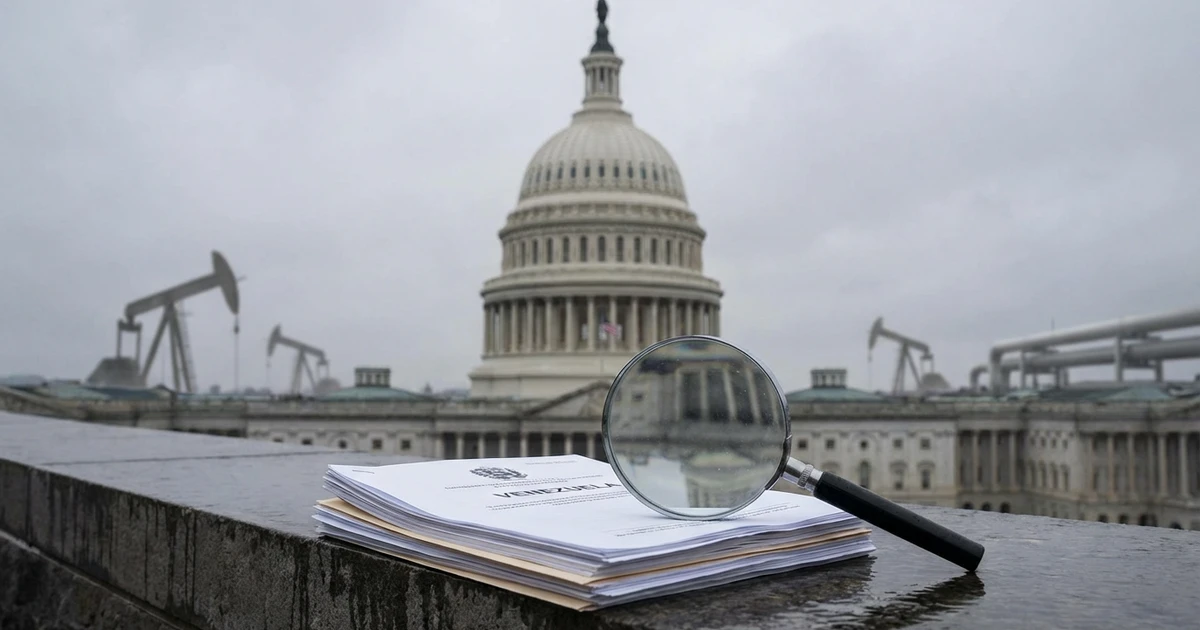
California U.S. Senator Adam Schiff and a group of Senate Democrats are escalating calls for transparency, urging senior White House officials to publicly disclose any financial interests they may hold in Venezuelan oil ventures. The move signals a growing concern over potential conflicts of interest at the highest levels of government amid ongoing debates about U.S.-Venezuela relations and energy policy.
The Push for Disclosure
The Senate Democrats' demand, spearheaded by Adam Schiff, centers on ensuring that top administration officials are not personally profiting from policy decisions related to Venezuela's oil sector. While details regarding which officials are under scrutiny remain limited, the group is calling for all senior White House personnel to be transparent about any direct or indirect financial ties to companies or entities involved in Venezuelan oil production or trade.
Concerns Over Venezuela Oil Profiteering
The demand comes as Venezuela’s oil industry, despite international sanctions and political turmoil, remains an important factor in global energy markets. Reports of increased U.S. engagement with Venezuela in the context of shifting energy needs have fueled speculation about the potential for private profiteering. Senate Democrats argue that without full disclosure, public trust in administration policies and negotiations regarding Venezuela could be undermined.
- Transparency is at the core of the inquiry, with lawmakers seeking to prevent any perceived or actual conflicts of interest.
- Venezuela’s oil sector is a subject of international scrutiny due to its history of sanctions and the country’s volatile political climate.
Calls for Accountability and Next Steps
By demanding disclosures, the Senate Democrats aim to reinforce ethical standards within the executive branch. This push for accountability reflects a broader trend in Washington, where lawmakers are increasingly attentive to the financial entanglements of top officials, especially as they relate to U.S. foreign policy and national interests.
The White House has yet to respond publicly to these demands. As the story develops, observers are watching closely to see whether the administration will comply and what, if any, disclosures will be made. The outcome could have implications not only for energy policy but also for the broader conversation about transparency in government.
Implications for U.S.-Venezuela Policy
If financial ties are disclosed, it could impact ongoing negotiations and shape future sanctions or policy decisions regarding Venezuela. Conversely, transparency may help the administration bolster public confidence in its handling of international energy concerns during a period of global volatility.
For further updates, readers can follow official statements from Senator Schiff’s office and the White House as the situation develops.