Politics
Senate Democrats Question White House on Records Policy
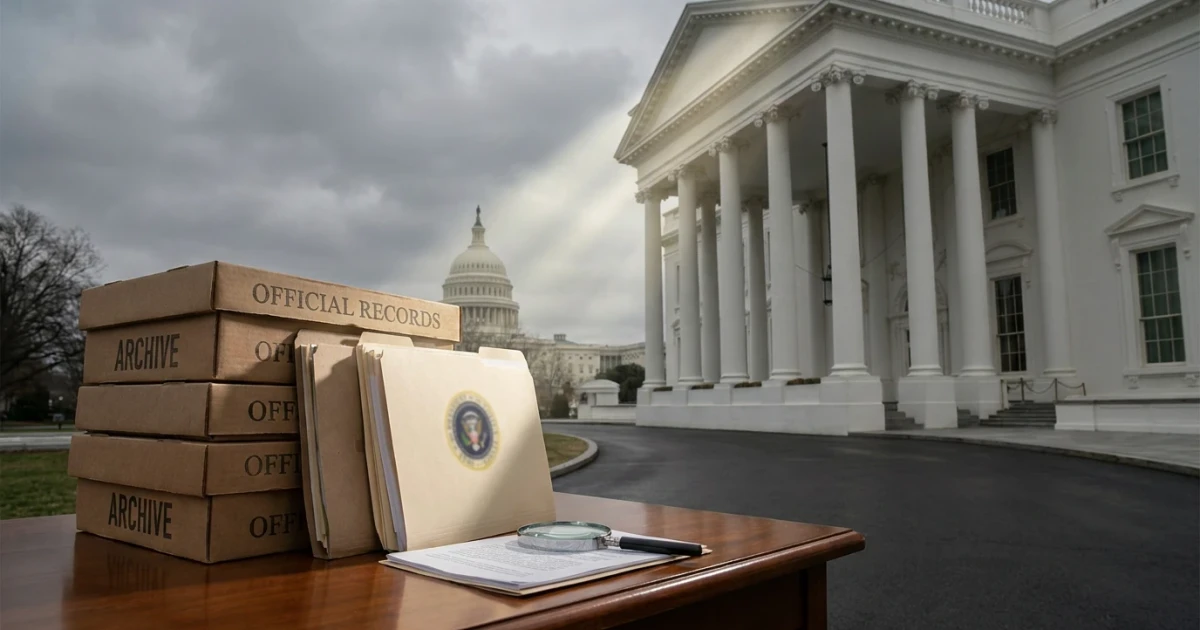
Senate Democrats are pressing the White House for answers following reports of a loosened record-keeping policy, raising concerns about transparency, federal compliance, and the preservation of official documents. The move highlights ongoing tensions surrounding how presidential records are managed, a topic that resonates both within government and among the public seeking accountability.
Policy Changes Spark Congressional Scrutiny
According to coverage from Everett Post, Senate Democrats have formally questioned the White House about recent modifications to its approach to managing official records. These concerns center around how the administration is handling documents, emails, and electronic communications that fall under federal records law.
The Senate's inquiry comes amid ongoing debate about the interpretation and enforcement of the Presidential Records Act of 1978, which mandates the preservation and accessibility of presidential records. The Act is designed to ensure that the historical and legal record of each administration is maintained for future review and public access.
Transparency and Compliance Under Review
Senators are particularly concerned that a more flexible records policy could undermine efforts to preserve important communications and decision-making processes. These questions reflect broader worries about federal agency compliance with records management requirements. The Government Accountability Office has previously highlighted gaps in agency practices, especially regarding email management and electronic record-keeping.
- Federal agencies are required to adhere to strict records management guidelines, as outlined by the National Archives and Records Administration (NARA).
- Recent efforts to transition toward electronic records have introduced new complexities in compliance and oversight.
- The annual Records Management Self-Assessment Report documents varying levels of compliance across agencies, including the White House.
Implications for Public Access and Historical Documentation
Loosened record-keeping policies may affect how future generations understand the actions and decisions of the executive branch. The integrity of the public record is critical for historians, legal analysts, and citizens. Transparency advocates argue that robust records management supports government accountability and enables oversight.
While the White House has yet to fully address the Senate's concerns, this scrutiny underscores the importance of consistent records management policy. It also points to the challenge of balancing operational flexibility with legal and ethical responsibilities for preserving government documents.
Looking Ahead
The debate over federal records policy is likely to continue as technology evolves and political dynamics shift. Lawmakers, oversight bodies, and the public will remain attentive to any changes in how official records are managed. For agencies, compliance with records management requirements remains a critical benchmark.
As Senate Democrats await further clarification from the White House, the spotlight remains on the fundamental question: How can government ensure the full preservation and accessibility of its own history?