Politics
Senate Democrats Tie DHS Funding to Immigration Reform
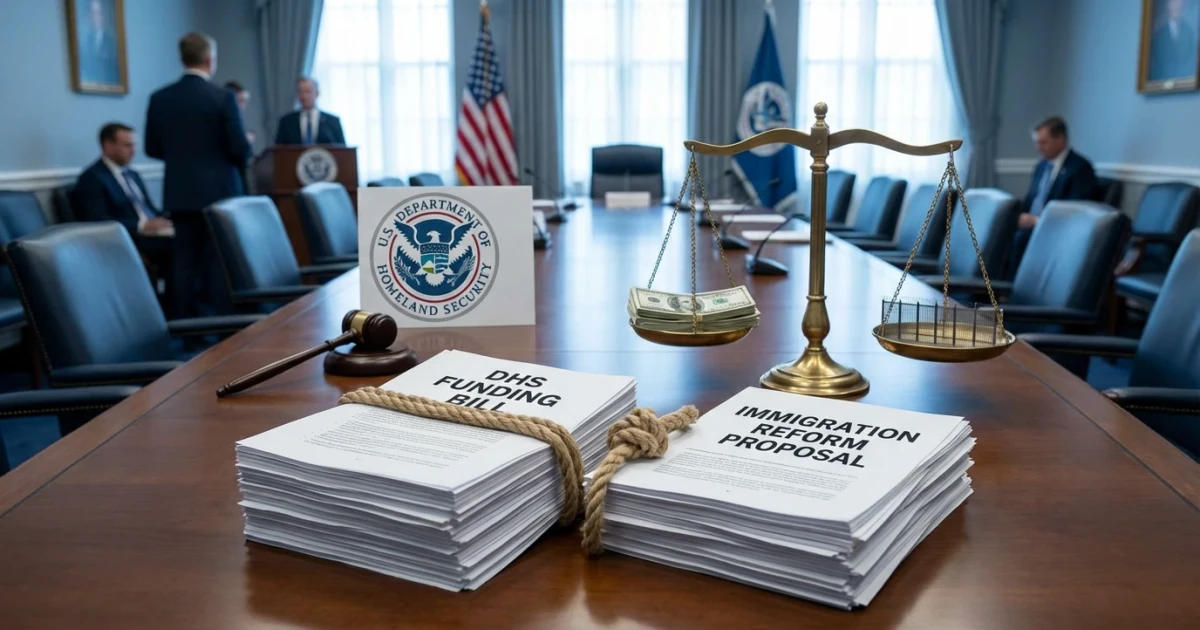
Senate Democrats are stepping up demands for immigration enforcement reforms as a prerequisite for funding the Department of Homeland Security (DHS), creating new momentum—and friction—in the ongoing debate over U.S. border and immigration policy. The push comes amid rising political pressure to address record-high border encounters and growing dissatisfaction with the status quo of immigration enforcement.
Democrats’ Stance and Reform Priorities
According to NPR, Democratic senators have placed a hold on DHS appropriations, signaling they will not approve further funding without substantive changes to how the agency conducts immigration enforcement and border operations. The lawmakers argue that current practices—ranging from detention policies to the treatment of asylum seekers—require overhaul to ensure both efficiency and humanitarian standards are met.
- Some Democrats are advocating for limits on the use of immigration detention and a shift toward alternatives, citing data from the TRAC Immigration Detention Data portal, which shows prolonged detention periods and varying outcomes across facilities.
- Others are calling for reforms to asylum processing, seeking to reduce backlogs and ensure due process, in line with recommendations from the Government Accountability Office’s recent report.
- There is also a push to increase transparency and oversight of ICE Enforcement and Removal Operations, including public reporting on arrests, removals, and detention conditions.
Political Context and Border Pressures
The call for reform comes as the U.S. continues to experience elevated numbers of border encounters, with Customs and Border Protection reporting sustained high levels of apprehensions in recent months. Republicans have largely argued for increased enforcement and border security, creating a sharp partisan divide over the path forward.
While Democrats press for changes, some moderate members have expressed concern about conditioning DHS funding on reform, warning it could risk agency operations. However, party leadership is emphasizing the need to leverage the appropriations process to drive meaningful policy shifts.
Key Issues Under Debate
- Detention Reform: Limiting the use of prolonged detention in favor of alternatives.
- Asylum System Changes: Streamlining processing and expanding legal support for applicants.
- Oversight and Transparency: Requiring enhanced public reporting of enforcement actions and facility conditions.
- Border Security: Balancing humanitarian concerns with calls for increased resources at the border.
Statistics and Data
- The DHS Yearbook of Immigration Statistics shows over 2.3 million border encounters in fiscal year 2022, highlighting the scale of enforcement activity.
- TRAC data indicates that tens of thousands of individuals remain in immigration detention on any given day, with average stays ranging from several weeks to multiple months.
- GAO analysis points to persistent backlogs in asylum cases and recommends improvements in processing and oversight.
What’s Next?
The standoff over DHS funding underscores the growing urgency—and complexity—of immigration policy in Washington. As negotiations continue, the outcome will likely shape the future of U.S. enforcement practices and the resources available for border management.
For readers seeking a deeper dive into enforcement trends, the MPI Immigration Enforcement Actions Data Hub offers comprehensive historical charts and datasets tracking key changes over time.
Whether a compromise will emerge remains uncertain, but the debate is certain to play a defining role in the broader conversation about U.S. immigration reform heading into the next legislative session.