Politics
Senate Faces Divisions Over Proposed Voting Rules
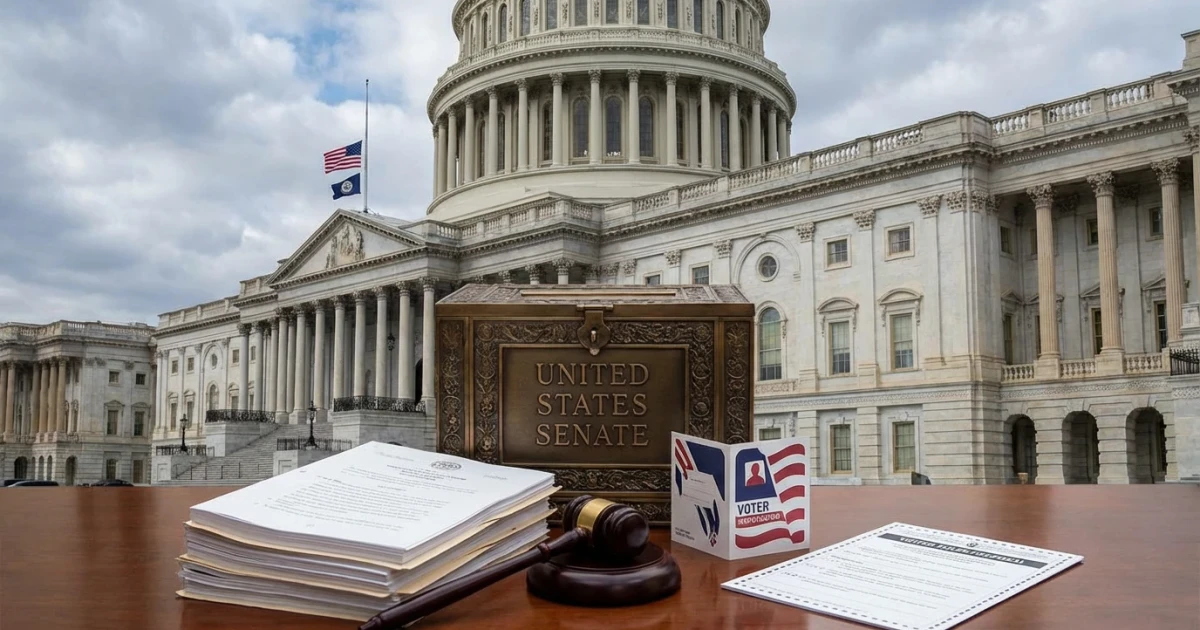
The Senate opened a heated debate this week over proposed measures to stiffen voting rules, highlighting deep partisan divisions on how best to protect the integrity of American elections. Lawmakers sparred over provisions that would impose stricter voter identification requirements and modify processes for casting and counting ballots—issues that have been at the center of national conversations on democracy and access.
Key Proposals in Focus
The primary focus of the legislation centers around tightening voter ID laws, with advocates arguing that such changes are necessary to ensure election security. According to recent background data, the majority of states already have some form of identification requirement at the polls, but the specifics—such as which documents are accepted and what options are available for those without ID—vary widely.
- Proponents say stricter rules will deter fraud and boost public confidence in election outcomes.
- Opponents counter that such measures could disenfranchise eligible voters, particularly minorities, the elderly, and rural populations who may have less access to government-issued identification.
Arguments on Both Sides of the Aisle
Democrats have raised concerns that the proposed changes would make it more difficult for certain groups to vote, pointing to historical disparities in access and the potential for new barriers. Republicans, meanwhile, argue that uniform standards are needed to prevent irregularities and to assure the public that elections are fair and secure.
The Brennan Center for Justice reports that more than two dozen states have considered or enacted changes to voting rules in the past year, reflecting a broader national trend. While some states have expanded early or mail-in voting, others have moved to restrict these options, often citing concerns about fraud—a phenomenon that remains rare, according to multiple studies and federal data.
Potential Impact and Next Steps
With the Senate debate underway, advocacy groups on both sides are mobilizing. Civil rights organizations warn that stricter ID laws could face legal challenges, especially if they disproportionately affect protected groups. Lawmakers are expected to offer amendments and negotiate over the coming weeks, but the outcome remains uncertain as both parties hold firm on their positions.
As the debate continues, Americans are encouraged to follow developments and understand the state of voting legislation in their areas. With the next national election cycle on the horizon, the results of this legislative battle could have significant implications for how millions cast their ballots.
Looking Ahead
The Senate’s deliberations reflect broader tensions in American democracy: balancing the need for secure elections against the imperative to ensure every eligible voter can participate. As lawmakers negotiate potential compromises, the nation watches closely, recognizing that the rules set today may shape the electorate for years to come.