Politics
Senate faces fight over Trump’s conflicted attorney general pick Blanche
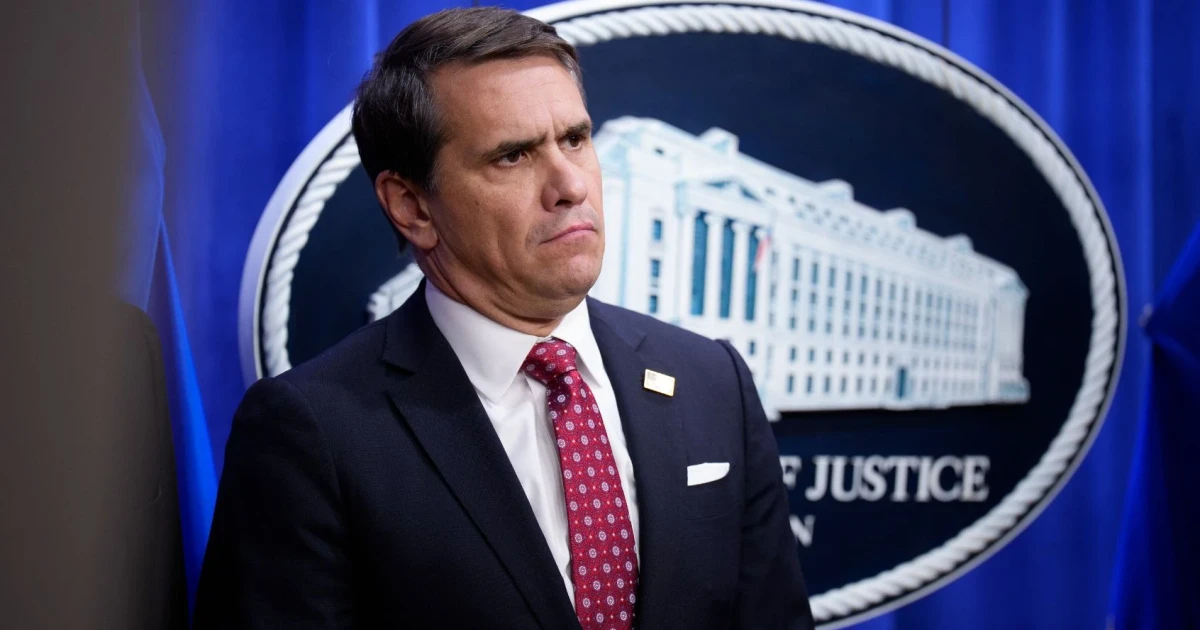
Donald Trump’s choice of Todd Blanche to lead the Justice Department has turned into a test of whether the Senate will tolerate an attorney general whose career is tied to the president’s own legal defense. Trump formally sent Blanche’s nomination to the Senate on June 8, after Blanche had already been serving as acting attorney general since April, putting the confirmation fight at the center of the department’s leadership.
The conflict is unusually sharp. Blanche is a former federal prosecutor, but he also represented Trump in the New York hush-money case that ended in a conviction on 34 felony counts, and he worked on Trump-related federal criminal cases brought by special counsel Jack Smith. POLITICO reported that Blanche would be the first acting attorney general in modern history to have been the president’s personal criminal defense lawyer, a distinction that goes directly to the question of whether the Justice Department can remain independent when its top official has been so closely linked to the president he oversees.
The Senate already appears divided over that question. Thom Tillis told reporters he had not decided whether to support Blanche and said the key to winning his vote would be condemning the Jan. 6, 2021, Capitol riot. John Thune has also signaled discomfort, saying he was “not a big fan” of the anti-weaponization fund fight, and reporting has indicated Blanche may not have an easy path to the floor. On the Democratic side, Chuck Schumer condemned the nomination on the Senate floor, while Sheldon Whitehouse said the pick could put Republicans “over a barrel.” Adam Schiff has opened an inquiry into reports that ethics lawyers at the Justice Department advised Blanche to recuse himself from matters involving Trump in his personal capacity.
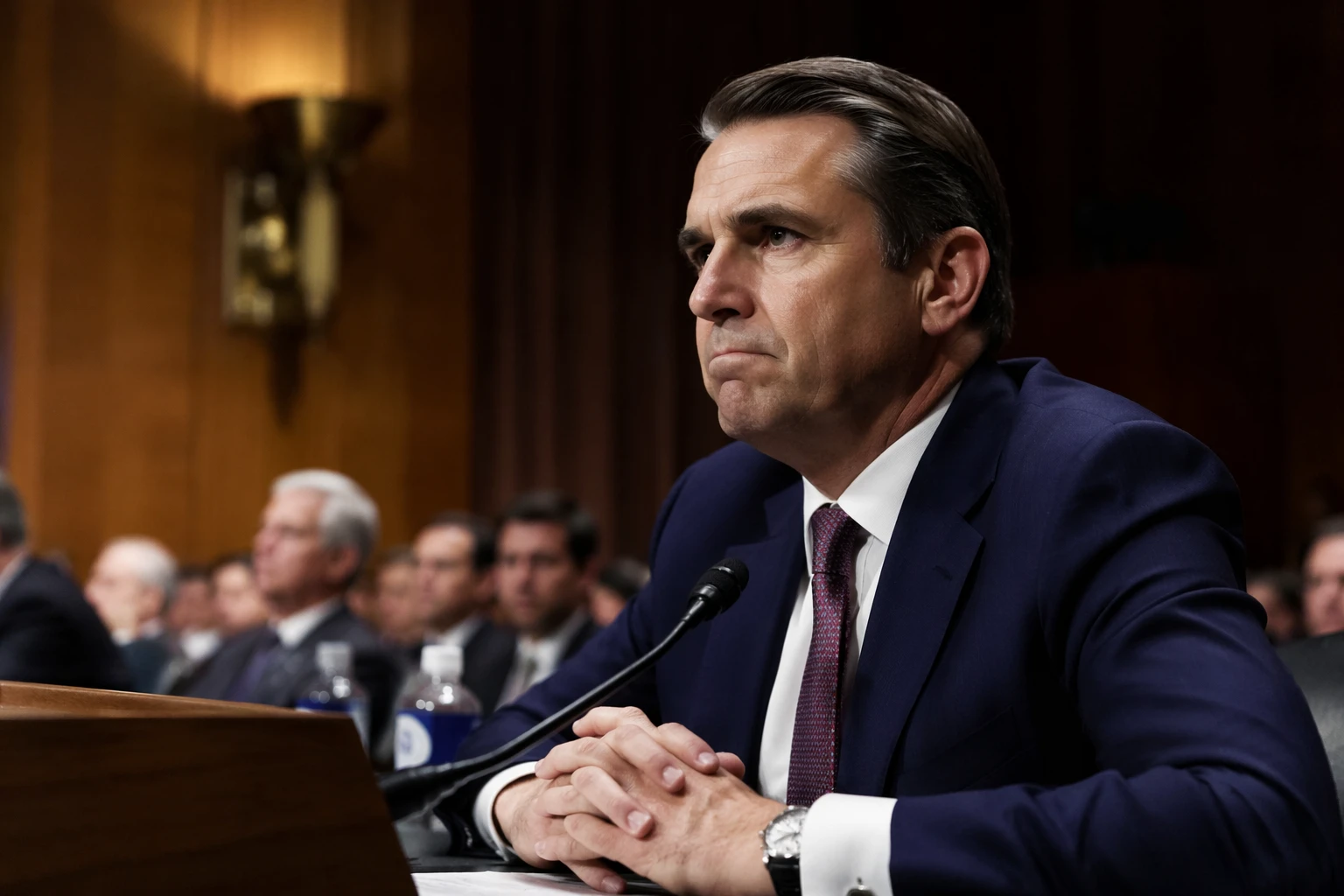
Those ethics concerns are not new. CNN reported that the department’s top ethics lawyer told Blanche in March 2025, shortly after he became deputy attorney general, that recusal from Trump-related personal-capacity matters was necessary. That advice will loom over any confirmation hearing, because it cuts to the core of whether Blanche can separate the president’s private legal interests from the government’s public law-enforcement power.
The practical stakes are already visible in policy. On June 2, Blanche told lawmakers the Justice Department was “not moving forward” with the Trump administration’s proposed $1.8 billion anti-weaponization fund, after bipartisan blowback nearly derailed a must-pass Senate budget measure. A federal judge extended a block on the fund on June 12, saying Blanche’s verbal assurance was not enough. For senators weighing his nomination, the issue is not just one man’s résumé. It is whether the nation’s top law-enforcement office can still stand apart from the president’s personal defense team.
Sources
- [1]nytimes.com
- [2]justice.gov
- [3]politico.com
- [4]cbsnews.com
- [5]schiff.senate.gov
- [6]abcnews.com
- [7]cnbc.com
- [8]democrats.senate.gov
- [9]judiciary.senate.gov