Politics
Senate faces tough fight over daylight saving time bill
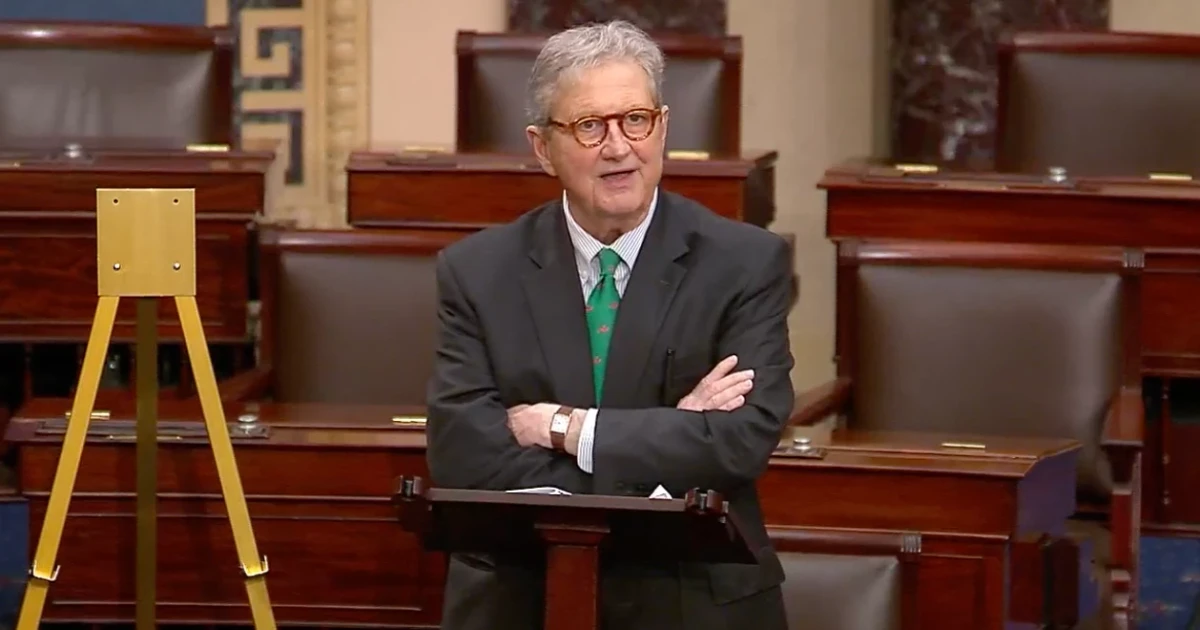
Sen. John Kennedy said the daylight saving time bill still faced a tough fight in the Senate, even after the House approved it by a 308-117 vote. Kennedy said President Donald Trump had recently called him and asked him to support the measure to end the twice-yearly clock change.
The fight centers on what the country would live with every day. Keeping the current system would preserve the spring-forward, fall-back routine that many Americans say disrupts sleep and morning schedules. Ending it would stop the clock changes, but it would also lock in a single year-round schedule, raising the question of whether the nation should favor brighter evenings or earlier winter daylight for schoolchildren, commuters and workers.
The Senate measure is S.29, the Sunshine Protection Act of 2025, introduced Jan. 7 by Sen. Rick Scott, R-Fla. Its House companion is H.R. 139, and Congress.gov describes the bill as making daylight saving time the permanent standard. That debate has split lawmakers and outside groups for years: farmers, parents, school officials, business groups and public health advocates often line up differently, which has made it hard to build a coalition that can survive committee work and floor debate.
The practical stakes are immediate. Critics worry that permanent daylight saving time would push winter sunrises later, a problem for children heading to school in the dark and for commuters who start work before dawn. Supporters argue that ending the clock changes could reduce sleep disturbance, health problems and car crashes, and could make schedules more predictable across the country.
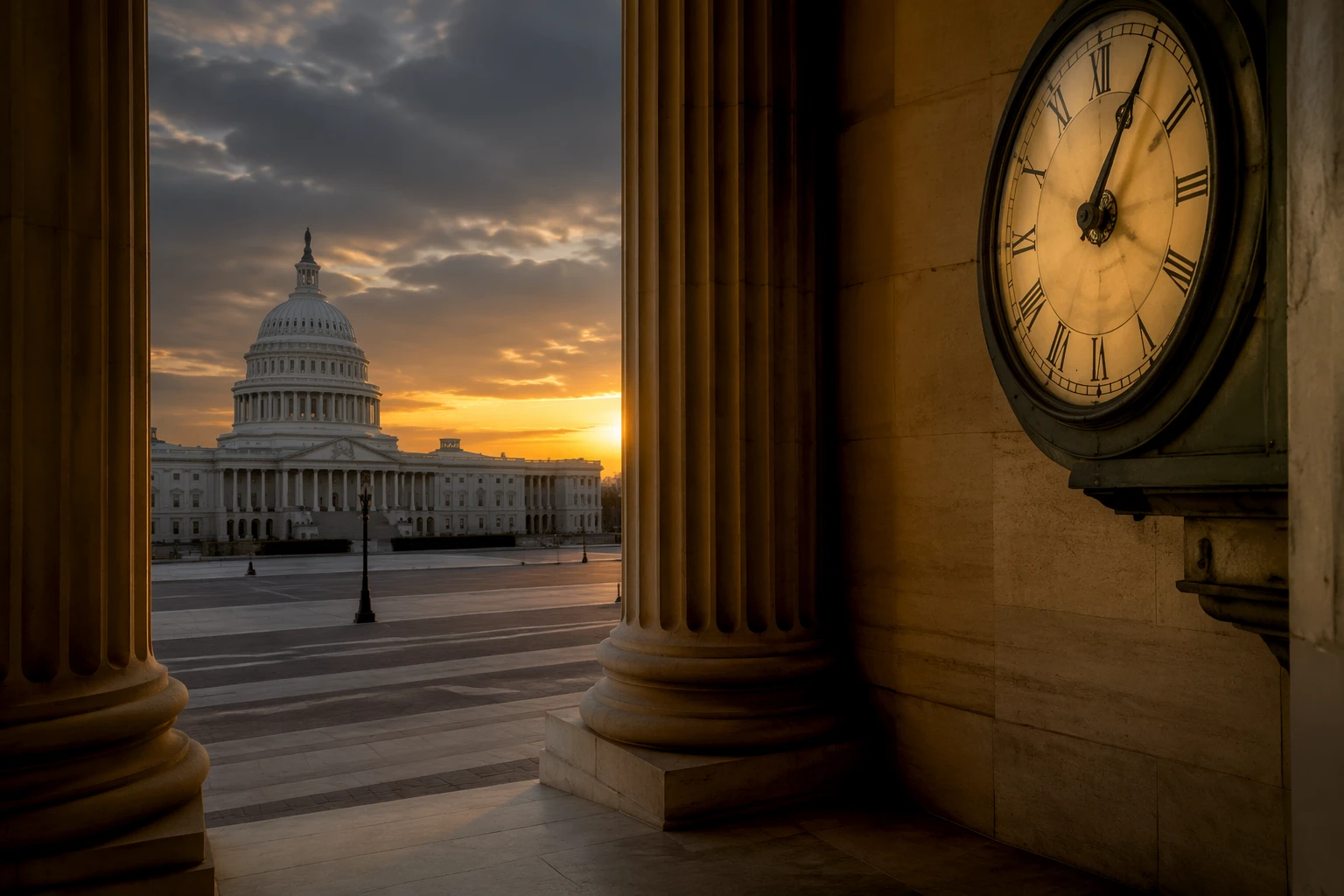
State lawmakers have kept the pressure on Washington. The National Conference of State Legislatures says state legislatures have considered more than 800 bills and resolutions in recent years on year-round daylight saving time, and at least 45 states have considered or passed legislation aimed at stopping the time changes. That level of activity has not been enough to settle the issue nationally, where any bill still has to clear the Senate and hold together enough support to become law.
For now, the House vote showed the idea can move quickly when lawmakers want to act. The Senate’s uncertainty showed the harder part remains ahead.
Sources
- [1]reuters.com
- [2]congress.gov
- [3]energycommerce.house.gov
- [4]ncsl.org
- [5]rickscott.senate.gov