Politics
Senate GOP falls short on Trump-backed voting restrictions bill
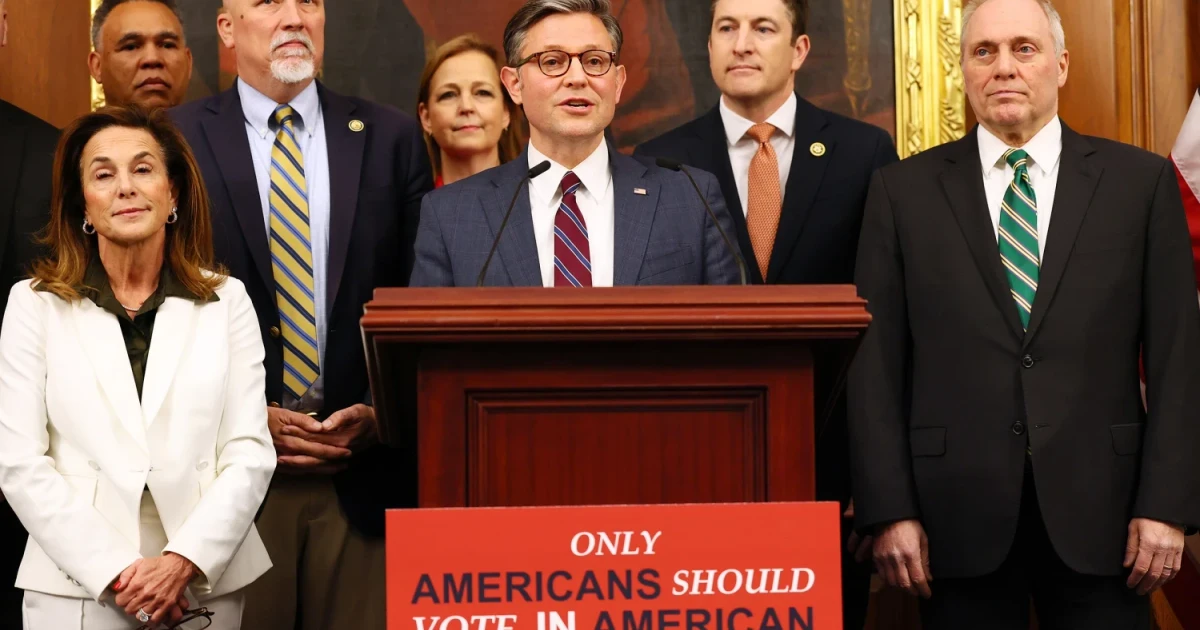
Senate Republicans ran out of votes in July as John Thune conceded he could not “count to 50” for a House-passed budget resolution tied to election-related reforms, leaving Donald Trump’s voting restrictions drive short despite GOP control of both chambers.
The bill at the center of the fight was the SAVE Act, also called the SAVE America Act, which would require documentary proof of U.S. citizenship when registering to vote in federal elections. The House passed the measure on February 11, 2026, by a 218-213 vote, and House Republicans had already advanced it in April 2025 before voting again in February. Republicans then tried to revive the push through budget and funding legislation, but the Senate never got to the 50 votes needed to move forward.
Trump had made the bill a test of loyalty. In March, Trump said he would not sign other legislation until Congress passed the SAVE America Act, writing on Truth Social that it “must be done immediately” and “supersedes everything else.” He pressed the Senate to cancel its August recess until the voting bill passed, but the chamber still could not clear the procedural hurdle.

The SAVE Act’s requirements would shape how all 50 states handle voter registration for federal elections. Supporters call the measure voter-ID and election-security legislation, while critics, including the League of Women Voters, Center for American Progress and the Institute for Responsive Government, have warned that the proposal would add proof-of-citizenship barriers and make registration harder. The White House has kept up a SAVE America Act page promoting the bill.
Sources
- [1]nytimes.com
- [2]thehill.com
- [3]congress.gov
- [4]nonprofitvote.org
- [5]campaignlegal.org
- [6]whitehouse.gov
- [7]lwv.org
- [8]americanprogress.org
- [9]responsivegov.org
- [10]bipartisanpolicy.org
- [11]pbs.org
- [12]apnews.com