Politics
Senate GOP Pushes $1 Billion for Secret Service Upgrades
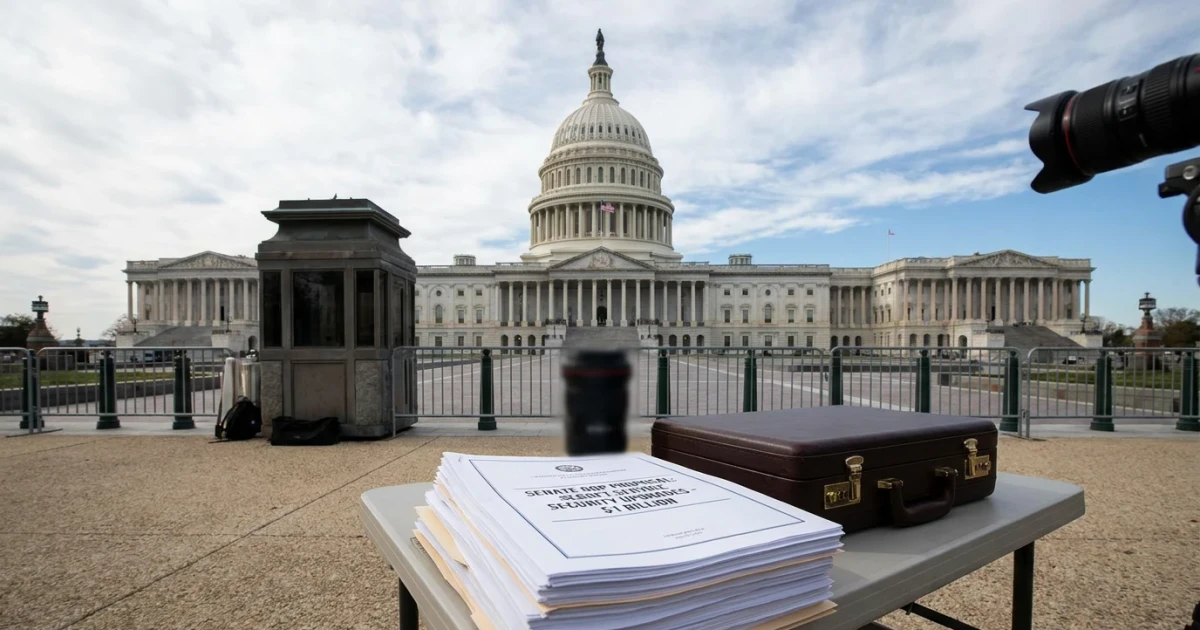
Senate Republicans have introduced a plan seeking $1 billion in funding for extensive U.S. Secret Service security upgrades, with a portion earmarked for enhancements at former President Donald Trump's ballroom in Florida. This proposal, first reported by Reuters and PBS, has sparked debate about the scope and necessity of such federal investments in presidential security.
Scope of the Funding Request
The proposed funding is part of the Financial Services and General Government Appropriations Act, 2025, which outlines appropriations for federal agencies, including the Secret Service. Senate Republicans argue the upgrades are crucial given increasing security demands at locations frequented by former presidents, especially those still in the public eye.
- $1 billion is earmarked for new technology, facility renovations, and security infrastructure.
- A significant portion is designated for upgrades at Trump's Florida ballroom, a site used for public and private events.
- The funding package also includes broader improvements for Secret Service operations nationwide.
According to current Secret Service spending data, this allocation represents a substantial increase compared to previous annual budgets, which have ranged from $2.3 billion to $2.6 billion.
Rationale Behind Security Upgrades
Senate Republicans cited "evolving threats" and the need for sophisticated protection measures, especially at high-profile venues. The Secret Service is responsible for safeguarding former presidents, their families, and key event locations—a mission outlined in the Congressional Research Service's overview of Secret Service duties.
While specifics of the upgrades at Trump's ballroom have not been publicly disclosed, sources suggest improvements may include advanced surveillance systems, secure entry points, and communications infrastructure. The ballroom, often used for political and fundraising events, has become a focal point for security planning due to its frequent use by Trump and prominent guests.
Political Debate Over Funding
The proposal has prompted scrutiny regarding the allocation of public funds for private venues. PBS reported that some lawmakers questioned the necessity and transparency of such spending, urging a careful review of the plan's details.
Supporters argue that the Secret Service's mandate requires security enhancements wherever former presidents reside or host events, regardless of property ownership. Critics, however, raise concerns about the optics and potential precedent of funding upgrades to privately owned spaces.
Broader Secret Service Challenges
This funding request comes as the Secret Service faces ongoing challenges in staffing, training, and oversight. The Government Accountability Office has previously identified gaps in resources and recommended additional actions to bolster agency effectiveness. Increasing demands, including high-profile protection assignments, have strained agency budgets and highlighted the need for modernization.
- The Secret Service's budget justification for FY 2025 underscores rising costs linked to technology upgrades and personnel.
- Recent years have seen a surge in security incidents around former presidents, prompting bipartisan calls for enhanced protection.
Next Steps and Outlook
The Senate funding proposal will undergo committee review before heading to a floor vote. If approved, the $1 billion boost would mark one of the largest single-year increases in Secret Service appropriations, reshaping agency capabilities for current and future protection missions.
As Congress debates the balance between public security needs and fiscal oversight, the story highlights broader questions about the responsibilities and limits of federal spending on presidential protection. With the Secret Service's evolving mission, lawmakers must weigh the urgency of upgrades against concerns about transparency and accountability.