Politics
Senate GOP Pushes $1B for White House Ballroom
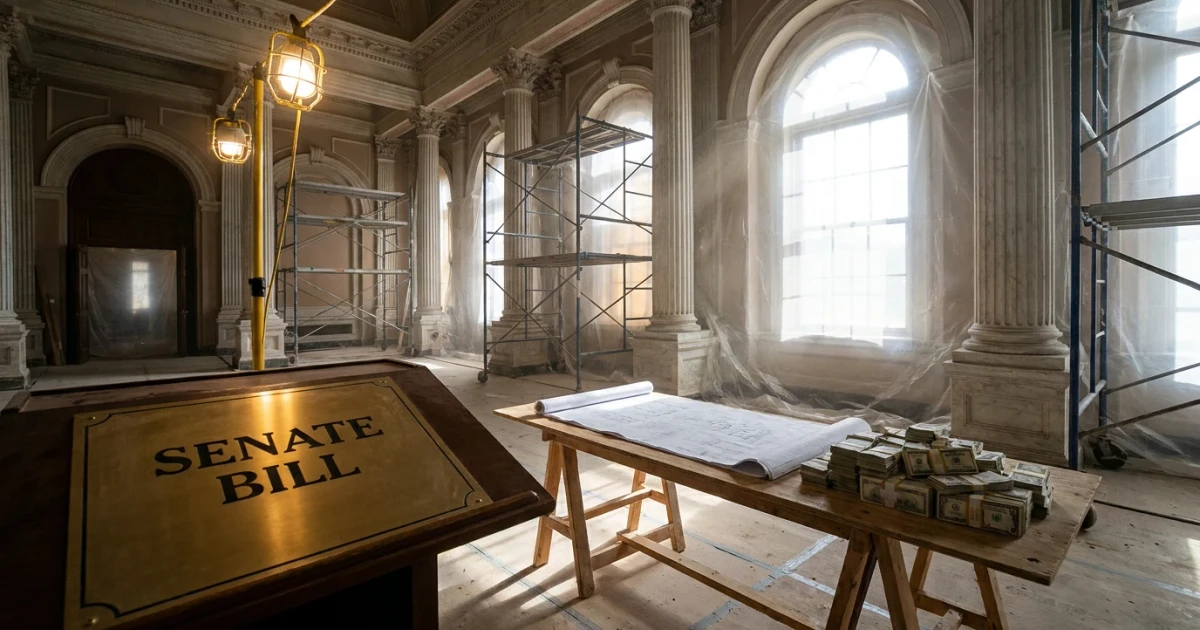
Senate Republicans have introduced a bill seeking $1 billion in taxpayer funds for the construction of a new ballroom at the White House, a move that has prompted scrutiny and debate about federal spending priorities. The proposal, championed by Senator Lindsey Graham and closely associated with the Trump administration, aims to add a substantial entertainment and ceremonial space to the Executive Mansion.
Ballroom Proposal and Legislative Details
The bill, introduced by Graham in late April, calls for the allocation of $1 billion from federal funds to construct a White House ballroom. The official legislative text, S.4445, lays out the scope of the project and appropriations, with the primary justification being to enhance the venue's capacity for hosting state events and large-scale ceremonies. Military.com and People.com both report that the ballroom would serve as a centerpiece for social functions, diplomatic receptions, and other high-profile gatherings. The announcement has raised questions about the timing and necessity of such an expenditure.
Cost and Context
The proposed $1 billion price tag is a significant increase over past White House renovations. According to historical records from the White House Historical Association, previous additions—such as the Truman-era renovation and construction of the East and West Wings—cost substantially less when adjusted for inflation. The ballroom, if approved, would be one of the largest single expenditures for White House facilities in modern history.
- $1 billion in proposed spending for the ballroom, according to Military.com and People.com
- Previous major renovations, such as the Truman restoration, cost less than $100 million in today's dollars
- The project would be funded entirely by federal appropriations, with oversight mandated by the bill
Federal spending data from USAspending.gov shows that the Executive Office of the President typically receives far smaller annual facility allocations, making this proposal a notable departure from precedent.
Political Motivations and Criticism
The initiative has been linked to former President Trump, with People.com highlighting that Senate Republicans are framing the project as part of Trump's vision for a more grandiose White House. WIS News 10 reports that Graham's sponsorship is seen as both a gesture toward Trump's legacy and a signal to conservative donors. Critics from both parties have questioned the necessity of such a lavish addition, especially given other pressing federal budget concerns. While supporters argue the ballroom would increase the White House's capacity for diplomacy and ceremonial events, opponents point to the high cost and potential for extravagance.
There is no direct quote available from the sources, but all three outlets note that the conversation around the bill has quickly become contentious, with fiscal hawks raising alarms over the use of taxpayer funds for a luxury upgrade. Congressional budgeting analysts have noted the need for rigorous oversight, referencing the GAO's report on federal real property and the importance of strategic focus in government construction projects.
Potential Impact and Oversight
If passed, the bill would set a new precedent for federal spending on presidential facilities. Analysts from the Congressional Budget Office have pointed out that such large-scale appropriations require careful consideration of ongoing maintenance, security, and operational costs. The ballroom would likely become a focal point for future administrations, but the long-term value versus immediate expense remains a subject of debate.
- Potential for increased White House hosting capacity
- Large-scale construction could disrupt current operations
- Oversight provisions included in S.4445 to monitor spending and project progress
Debate Over Priorities
The ballroom proposal has underscored broader tensions over government spending and the symbolic role of the White House. Supporters claim it would modernize the nation's ceremonial infrastructure, while detractors argue that funds could be better spent on more urgent public needs. According to Military.com, the debate is likely to intensify as the bill moves through committee and faces public scrutiny.
Looking Ahead
As Congress considers the merits of the $1 billion ballroom, the outcome could shape not only the architecture of the White House but also the public's perception of federal priorities. The debate is expected to continue as lawmakers examine the bill's details, oversight mechanisms, and potential for long-term impact.