Politics
Senate Impasse Halts Homeland Security Funding Bill
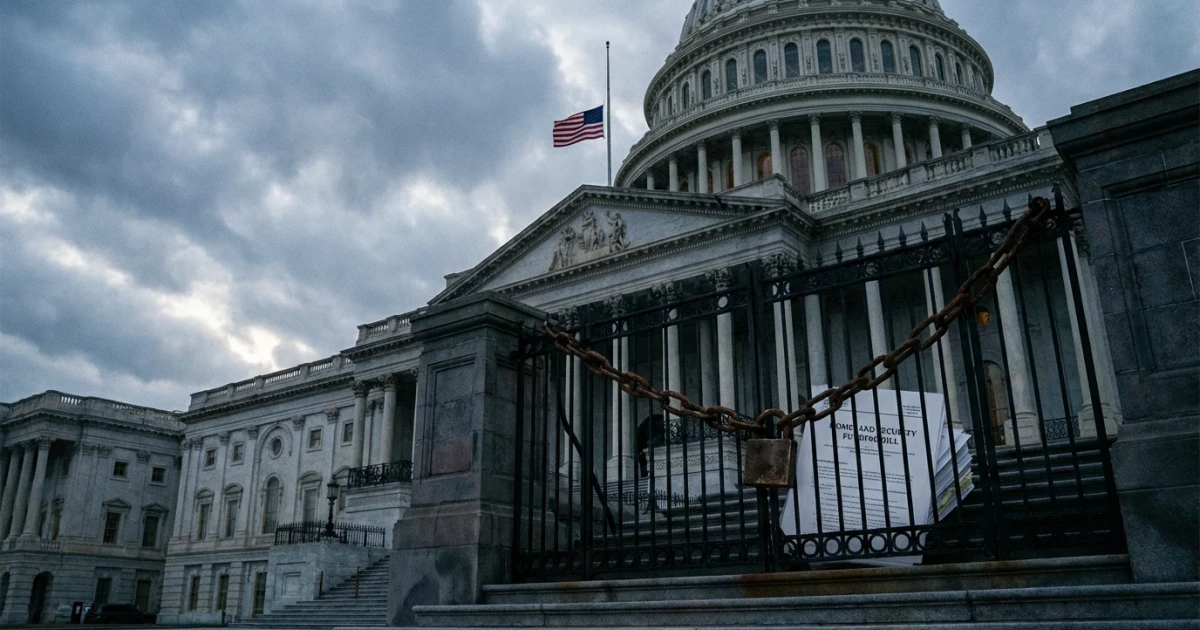
Congressional efforts to fund the Department of Homeland Security (DHS) hit a wall this week as the Senate failed to advance a critical appropriations bill, prolonging uncertainty over the agency’s budget and operations. The legislative deadlock—first reported by The New York Times—leaves the fate of vital security programs in limbo amid persistent partisan divisions.
Funding Bill Stalls Amid Senate Standoff
The Senate’s inability to pass the Homeland Security Appropriations Act for 2024 marks another chapter in a series of funding battles that have characterized this Congress. Lawmakers on both sides of the aisle remain at odds over key provisions in the bill, which would allocate billions to border security, disaster relief, and cybersecurity initiatives. According to official DHS budget documents, the department’s annual funding supports a wide range of programs, including immigration enforcement and emergency preparedness.
- The failed bill would have determined funding levels for the entire DHS budget, which in recent years has exceeded $90 billion.
- Key contested areas include allocations for border wall construction, immigration detention capacity, and grants to state and local governments for counterterrorism efforts.
- Without passage, existing funding is set to lapse under current continuing resolutions, putting essential DHS functions at risk.
Political Disagreement Drives Funding Crisis
The New York Times reported that partisan divisions remain entrenched, with Democrats and Republicans clashing over both funding priorities and policy riders attached to the measure. GOP lawmakers have pushed for stricter immigration enforcement and new border security measures, while Democrats have sought increased oversight, humanitarian funding, and limits on detention spending.
Legislative records from the 2024 appropriations process show a pattern of contentious negotiations, with repeated amendments and procedural votes failing to resolve core disputes. The Senate’s latest roll call vote—available on the official record—fell short of the 60 votes required to move the bill forward.
Operational Impacts and Next Steps
As the standoff continues, DHS faces the possibility of operating with limited funds or under temporary stopgap measures. According to data from USAspending.gov, the department’s annual expenditures support more than 240,000 employees and a complex network of grants and contracts with states, localities, and private sector partners.
- Programs at risk include FEMA disaster response, Customs and Border Protection operations, and cybersecurity initiatives run by the Cybersecurity and Infrastructure Security Agency (CISA).
- DHS has previously warned that funding uncertainty can disrupt hiring, delay procurement, and undermine preparedness for emerging threats.
Looking Ahead: Prospects for Resolution
While negotiations are expected to continue, the legislative impasse highlights broader challenges facing Congress in enacting annual appropriations. Analysts from the Congressional Research Service note in their latest report that the Homeland Security bill is often among the most controversial of the annual spending measures, due to the intersection of national security and immigration policy.
For now, the Senate’s inability to pass a DHS funding bill underscores the depth of partisan divides in Washington—and leaves the agency’s critical missions hanging in the balance until lawmakers can find a compromise.