Politics
Senate Moves to Fund DHS Amid Airport Delays
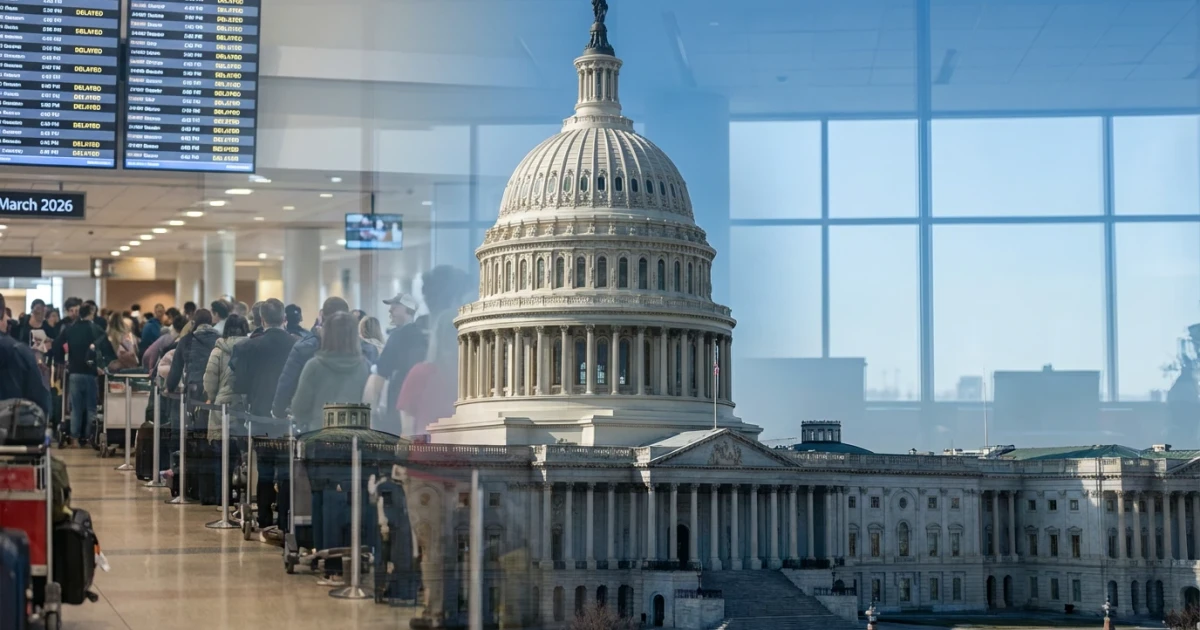
Travelers across the United States faced mounting airport delays this week as the Senate struck a funding deal for the Department of Homeland Security (DHS), notably excluding Immigration and Customs Enforcement (ICE) and Customs and Border Protection (CBP). This partial funding agreement aims to address growing concerns about airport congestion while contentious negotiations over immigration policy continue in Congress.
Senate Reaches Partial DHS Funding Deal
The Senate’s decision, first reported by NBC News, will provide funding for most DHS operations, but withholds resources from ICE and CBP. Lawmakers described the move as a response to significant disruptions at airports, which have seen record passenger volumes and increasing wait times for travelers in recent weeks. The Transportation Security Administration (TSA) and other DHS components will receive the necessary funds to maintain airport security operations and minimize delays.
Addressing Extreme Airport Delays
Airport delays have reached critical levels, with the TSA reporting continued surges in passenger traffic. According to recent analysis by the Government Accountability Office, staffing shortages at airport security checkpoints have contributed to extended wait times and passenger frustration. The Senate’s targeted funding measure is designed to ensure TSA and related agencies are able to keep up with demand as the busy travel season continues.
- Recent TSA throughput data shows daily passenger numbers routinely exceeding pre-pandemic levels.
- DOT's monthly Air Travel Consumer Reports have documented a rise in flight delays tied to longer security lines and airport congestion.
ICE and CBP Funding Remains in Limbo
While the Senate’s deal provides relief for travelers and airport workers, it notably withholds funding from ICE and CBP, two agencies central to immigration enforcement and border security. The decision reflects ongoing divisions within Congress over immigration policy and enforcement priorities. House leadership has signaled that they will not advance a full DHS funding package until further negotiations on these agencies are resolved.
Data from CBP enforcement statistics and ICE budget records highlight the substantial resources allocated to these agencies, underscoring the stakes in the current funding standoff.
Implications and Next Steps
By ensuring funding for TSA and most of DHS, the Senate aims to prevent further disruption to air travel as negotiations continue. However, the exclusion of ICE and CBP leaves significant uncertainty for federal immigration and border operations. Congressional observers note that if the impasse continues, it could lead to operational slowdowns at the U.S. border and in interior enforcement efforts.
Travel industry advocates have welcomed the Senate’s move to protect airport operations, while emphasizing the need for longer-term solutions to DHS funding and staffing challenges. The outcome of ongoing negotiations will likely shape federal security and immigration policy for months to come.
Further Reading and Data
- Explore TSA’s latest passenger throughput numbers to track airport traffic trends.
- Review the DHS Annual Performance Report for agency performance and funding breakdowns.
- See official legislative records for updates on DHS appropriations negotiations.
As lawmakers work toward a comprehensive solution, travelers and federal employees alike await clarity on the future of critical DHS operations.