Politics
Senate Moves to Limit Military Action Against Iran
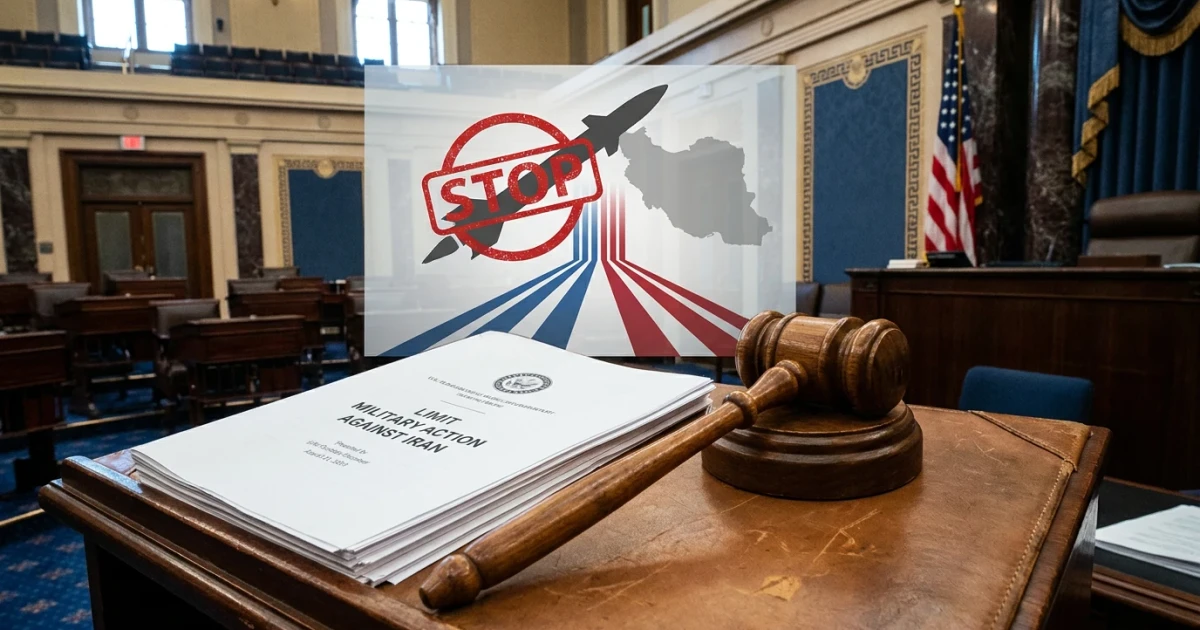
The US Senate has taken a significant step toward limiting the president’s authority to order additional military strikes against Iran, advancing a bipartisan resolution designed to check the White House’s war powers. The move reflects mounting concern within Congress about the risks of escalating conflict with Iran and the constitutional balance of power over decisions of war and peace.
Senate Action Reflects Bipartisan Concern
Both The Washington Post and Al Jazeera reported that the Senate voted to move forward with the resolution, which would require the president to obtain explicit congressional authorization before launching further military operations against Iran. The measure comes amid ongoing tensions in the Middle East and follows a series of high-profile confrontations between the US and Iran in recent years.
- The resolution was advanced on a bipartisan basis, with support from both Democrats and Republicans who have raised concerns about unchecked executive war powers.
- The action echoes previous congressional efforts to reassert War Powers Resolution authority, which requires the president to consult with Congress before engaging in hostilities.
The Senate’s move is not isolated. Similar resolutions have been considered in past sessions, including S.Res.68 in 2020, which sought to halt unauthorized military engagement with Iran. The current action follows a broader pattern of legislative pushback against perceived executive overreach in foreign military interventions.
Context: Rising Tensions and Public Debate
The resolution’s advancement comes against a backdrop of heightened US-Iran tensions, with lawmakers and the public divided over the appropriate scope of US military involvement in the region. According to recent Pew Research data, Americans remain split on administering military force against Iran, with partisan and generational divides shaping public opinion.
- Some senators have argued that unchecked presidential war powers risk dragging the US into another prolonged conflict without adequate debate or oversight.
- Others, however, express concerns that restricting the president could hamper the country’s ability to respond swiftly to security threats.
The debate also highlights long-standing questions about the War Powers Resolution and its effectiveness in compelling executive compliance. Congressional Research Service analysis shows that presidents from both parties have frequently interpreted the law broadly, often notifying Congress of military actions but rarely seeking formal approval.
What’s Next for the Resolution?
The measure’s advancement in the Senate is a key procedural step, but its fate remains uncertain. For the resolution to become law, it must ultimately pass both the Senate and the House, and then contend with a likely presidential veto. In 2020, a similar effort received bipartisan support but was ultimately vetoed by then-President Trump.
- Official Senate roll call votes provide a detailed record of where senators stand on this issue.
- Should the current resolution pass, it would reinforce Congress’s constitutional authority to declare war and limit unauthorized military engagement.
Broader Implications for US Foreign Policy
The Senate’s action signals broader unease about the direction of US policy toward Iran and the risk of unintended escalation. Analysts note that Iran’s foreign and defense policies, outlined in detail by the Congressional Research Service, remain a persistent challenge for US strategy in the region. The State Department’s terrorism country reports further document Iran’s ongoing regional activities and the complex security environment facing US policymakers.
As the resolution moves forward, the debate will likely remain a flashpoint in the ongoing discussion about war powers, executive authority, and the future of US engagement in the Middle East.
For readers seeking more information, the official resolution text, summary and status, and research analyses provide additional context and legislative history.