Politics
Senate Moves to Limit Trump’s Iran War Powers
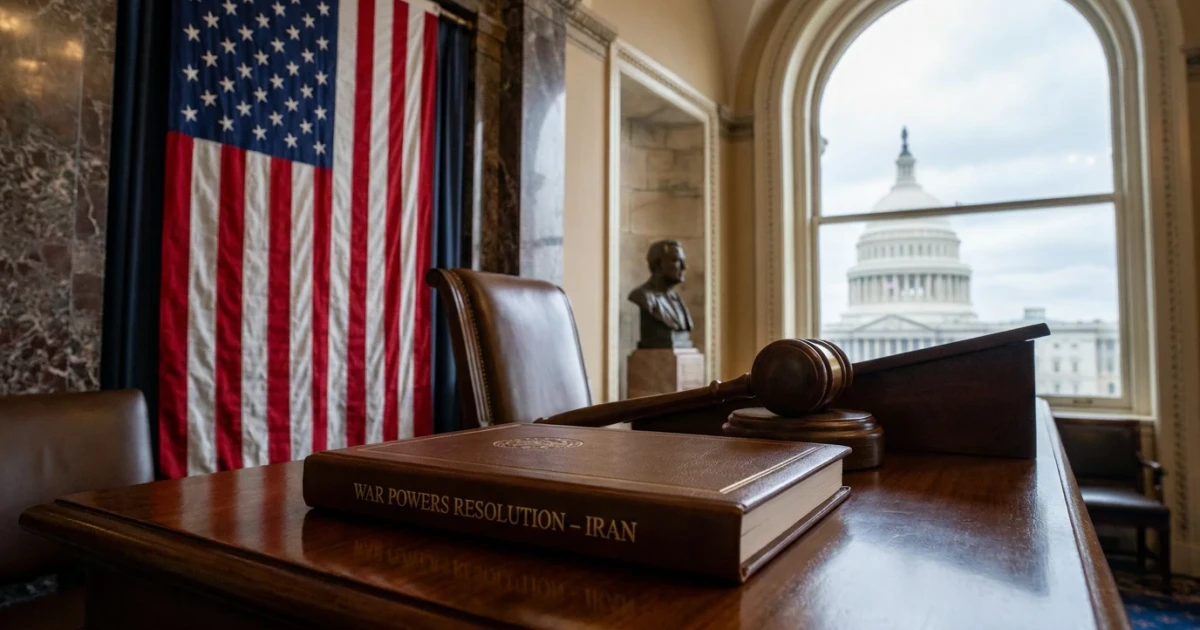
The U.S. Senate has advanced a measure to curtail President Donald Trump’s authority to conduct military operations in Iran, reflecting deep bipartisan unease over unchecked executive power amid ongoing tensions in the region. Congressional action comes as Trump, while maintaining that hostilities could conclude swiftly, faces mounting opposition to his approach from both Democrats and several Republicans.
Senate Pushes Back on Executive Authority
On Tuesday, the Senate voted to advance S.1786, a bill specifically designed to limit the use of military force against Iran. As reported by both Türkiye Today and The Detroit News, this legislative move marks a significant blow to Trump’s efforts to continue military engagement without explicit congressional approval. The Senate action follows heightened concerns over the scope of presidential war powers, particularly in light of recent escalations between the U.S. and Iran.
- The measure was approved with bipartisan support, underscoring widespread worry over the risks of prolonged conflict.
- The legislation requires the president to obtain congressional authorization for any future military operations against Iran, reinforcing the checks and balances outlined in the War Powers Resolution.
- Trump’s assertion that the war could “end very quickly” was met with skepticism among senators who fear unintended escalation and regional instability.
Trump Responds to Senate Challenge
President Trump has repeatedly defended his handling of the situation, arguing that decisive military action is necessary to protect American interests. According to Türkiye Today, Trump stated that if hostilities continue, they may “end very quickly,” suggesting confidence in the U.S. military’s capabilities. However, lawmakers remain wary of such assurances, given the complexities of Iranian military and security developments documented in the 2023 Annual Report on Military and Security Developments Involving Iran.
Key Senate Votes and Bipartisan Concern
The Senate roll call on the Iran War Powers Resolution, available through official records, reveals notable cross-party support for the measure. The bill’s advancement signals lawmakers’ desire to reclaim congressional oversight in military affairs, a principle often debated since the passage of the War Powers Resolution in the 1970s.
- Senators from both parties expressed concerns about the lack of transparency and the potential for unintended consequences.
- The measure’s progress is seen as a rebuke to Trump’s expansive view of presidential authority in matters of war.
Public and Policy Implications
While the Senate’s actions reflect legislative priorities, public opinion remains divided. Recent Pew Research survey data indicate Americans are split on the Trump administration’s policy toward Iran, with partisan divides mirroring those in Congress.
Policy analysts point to the risks of military escalation in the Middle East, referencing Iran’s evolving capabilities and regional alliances. The Congressional Budget Office’s cost estimate for the resolution highlights potential fiscal impacts if military involvement is reduced or terminated.
Looking Ahead: Congressional Oversight and Conflict Resolution
The Senate’s move to limit Trump’s war powers underscores the enduring debate over the balance between executive action and legislative oversight on matters of national security. As the bill advances, attention will shift to the House of Representatives and the administration’s response. With tensions between the U.S. and Iran still simmering, the outcome of this legislative push will likely shape future American policy in the region and influence broader discussions about war powers and constitutional checks.
For readers seeking deeper context, the official text of S.1786, detailed voting records, and comprehensive analysis of the War Powers Resolution are available through the embedded links above.