Politics
Senate Panel Told CDC Director to Gain Vaccine Decision Power
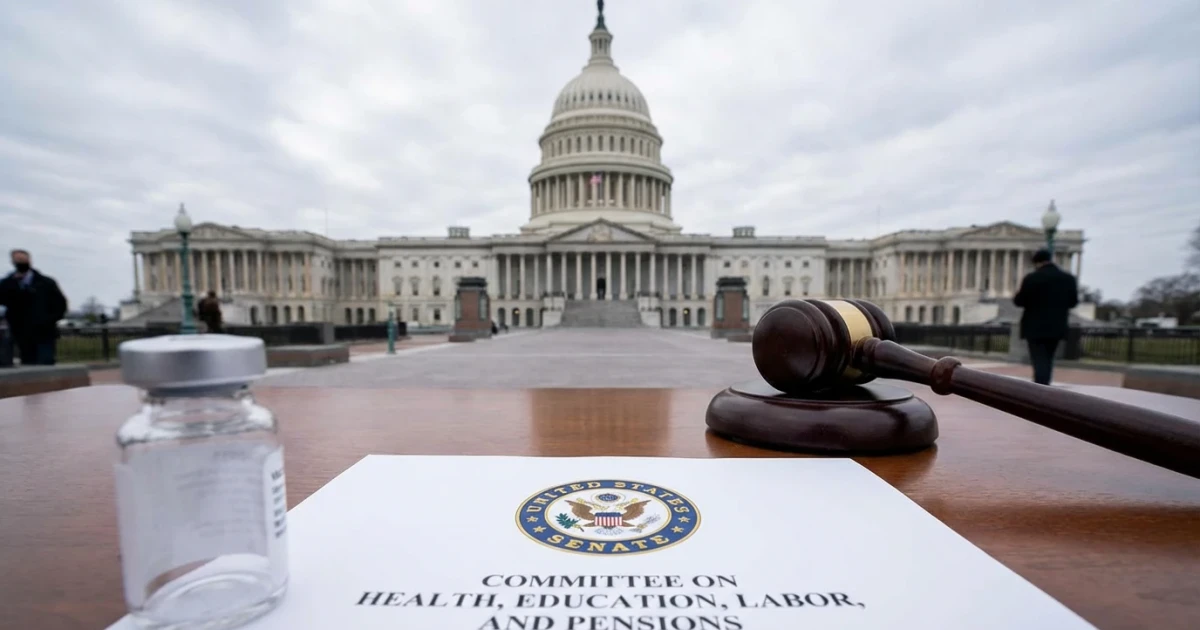
Senator John Kennedy announced to a U.S. Senate panel that the incoming director of the Centers for Disease Control and Prevention (CDC) will be granted the authority to make vaccine-related decisions. This change signals a significant shift in the oversight and implementation of national immunization policy, according to a recent Reuters report.
Empowering the CDC Director
The upcoming transition in CDC leadership comes at a pivotal time for U.S. public health strategy. Senator Kennedy's statement to the Senate panel clarifies that, unlike previous arrangements where vaccine policy decisions often required broader consensus or deferred to external advisory committees, the new CDC director will have direct decision-making power over immunization recommendations and protocols.
Background and Recent Context
The CDC plays a central role in guiding national vaccination policy, typically relying on the recommendations of the Advisory Committee on Immunization Practices (ACIP). Traditionally, the CDC director would adopt or endorse these recommendations for implementation, but final authority for changes to the U.S. immunization schedule and emergency vaccine policies has sometimes involved additional government oversight or interagency coordination.
This policy adjustment, as described by Kennedy, aims to streamline decision-making within the CDC. The move could enhance the agency’s ability to respond rapidly to emerging public health risks, such as new infectious disease outbreaks or vaccine supply chain disruptions.
Implications for Public Health Policy
- Faster Response Times: Granting the CDC director greater autonomy may lead to quicker updates of vaccine recommendations, especially in the face of urgent health threats.
- Clearer Accountability: Centralizing authority in the CDC director’s office could clarify lines of responsibility for vaccine policy, enabling more direct communication of new guidelines to healthcare providers and the public.
- Potential for Debate: This shift could prompt discussion among public health experts regarding the balance between expert committee input and executive decision-making within the CDC.
Ongoing Safeguards and Oversight
Despite this change, existing systems for vaccine safety and monitoring—such as the CDC’s vaccine safety monitoring programs—will remain in place. These programs provide ongoing data collection and analysis to ensure vaccines recommended or mandated by the CDC continue to meet established safety and efficacy standards.
The most recent ACIP meeting presentations and supporting evidence will still inform the director’s decisions, but the ultimate authority to enact policy will reside with the CDC leader.
Next Steps
As the CDC prepares for this leadership transition, stakeholders—including healthcare providers, state health departments, and the public—will be watching closely for any immediate changes to vaccine schedules and recommendations. The aim is to maintain high immunization coverage rates and public trust in vaccine policies, while enhancing the nation’s ability to respond swiftly to evolving health threats.
This development underscores the evolving landscape of U.S. vaccine policy, with the CDC director positioned to play a more decisive role in shaping national immunization priorities.