Politics
Senate Parliamentarian Blocks White House Security Funding
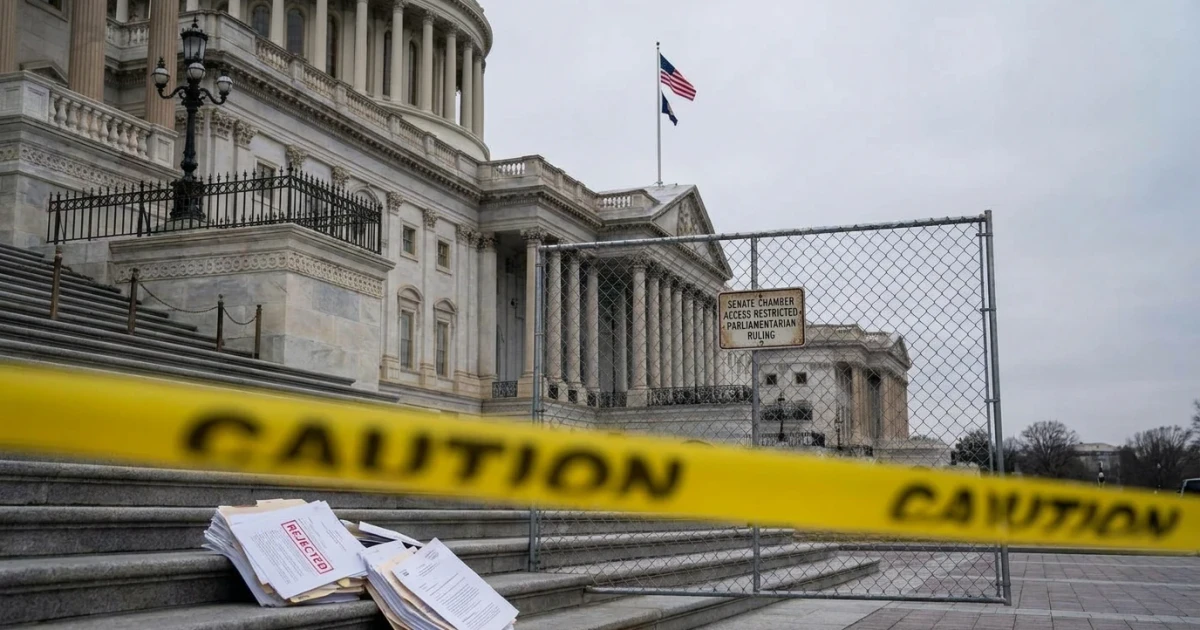
The Senate parliamentarian has delivered a significant setback to a $1-billion funding proposal aimed at enhancing security for the White House, including upgrades to the facility's ballroom. The decision, reported by multiple outlets including the Los Angeles Times, CBS News, and Fox News, has forced Senate Republicans to reconsider their legislative strategy for advancing the measure.
Parliamentarian Ruling Halts Security Funding Plan
The White House security funding proposal, which sought to provide $1 billion for a series of security improvements—including enhancements to the historic ballroom—was included in a broader reconciliation bill. However, the Senate parliamentarian determined that the proposal did not meet the strict requirements for inclusion under the budget reconciliation process, which is reserved for provisions with direct fiscal implications.
- Los Angeles Times highlighted that the parliamentarian's ruling effectively removes the funding from the current legislative package.
- Fox News reported that the decision specifically impacts both general security upgrades and planned renovations for the Trump Ballroom inside the White House complex.
Implications for White House Security and Political Debate
The proposal at the center of the debate would have allocated funds for a range of security improvements, including infrastructure reinforcements and facility upgrades. The White House FY2025 budget appendix details the scope and cost of proposed security and capital projects, many of which hinge on congressional approval. According to a Congressional Budget Office analysis, the rejected funding constituted a significant portion of the year’s proposed security enhancements for executive facilities.
The parliamentarian’s decision references longstanding procedural precedents, which are documented in the Senate Parliamentarian Rulings Archive. The ruling concluded that elements of the funding were not sufficiently budget-related to qualify for reconciliation, a process that allows certain budget-related legislation to advance with a simple majority and avoid a Senate filibuster.
Senate GOP Seeks Alternative Path Forward
Following the parliamentarian’s decision, CBS News reported that Senate Republicans are now working to revise the funding plan to comply with procedural rules or to move the security upgrades through separate legislation outside of reconciliation. The Los Angeles Times described the ruling as a substantial obstacle for the backers of the proposal, who had hoped to secure the funding as part of a fast-tracked budget bill.
- Republican leaders are exploring legislative alternatives to secure funding for White House security improvements.
- Some lawmakers have expressed concern that the delay could impact the timely implementation of recommended security upgrades.
Broader Debate Over Security Spending and Legislative Tactics
The ruling has reignited debate within Congress over the use of reconciliation for funding large-scale projects not directly tied to budgetary measures. The Government Accountability Office and other watchdogs have previously outlined the complexities and oversight challenges associated with executive branch facility funding, particularly for high-profile sites like the White House.
As the Senate GOP weighs its next steps, focus has shifted to whether a standalone bill or bipartisan compromise could secure the necessary support. While the parliamentarian’s ruling is not subject to appeal, it often shapes the legislative agenda and the timing of major appropriations.
What Comes Next?
With the $1-billion proposal removed from the current reconciliation bill, lawmakers must decide whether to pursue the funding through regular order or adjust the scope of the project to meet procedural requirements. Stakeholders across party lines agree that White House security remains a top priority, but how and when the necessary resources will be allocated remains uncertain.
As the legislative process continues, the outcome will not only affect the future of the White House's security infrastructure but also set an important precedent for the use of reconciliation in funding executive branch projects. Readers can follow the evolving debate and review the full text of the proposed legislation and official parliamentarian rulings for further details.