US News
Senate Passes GOP Budget, Blocks Democratic Amendments
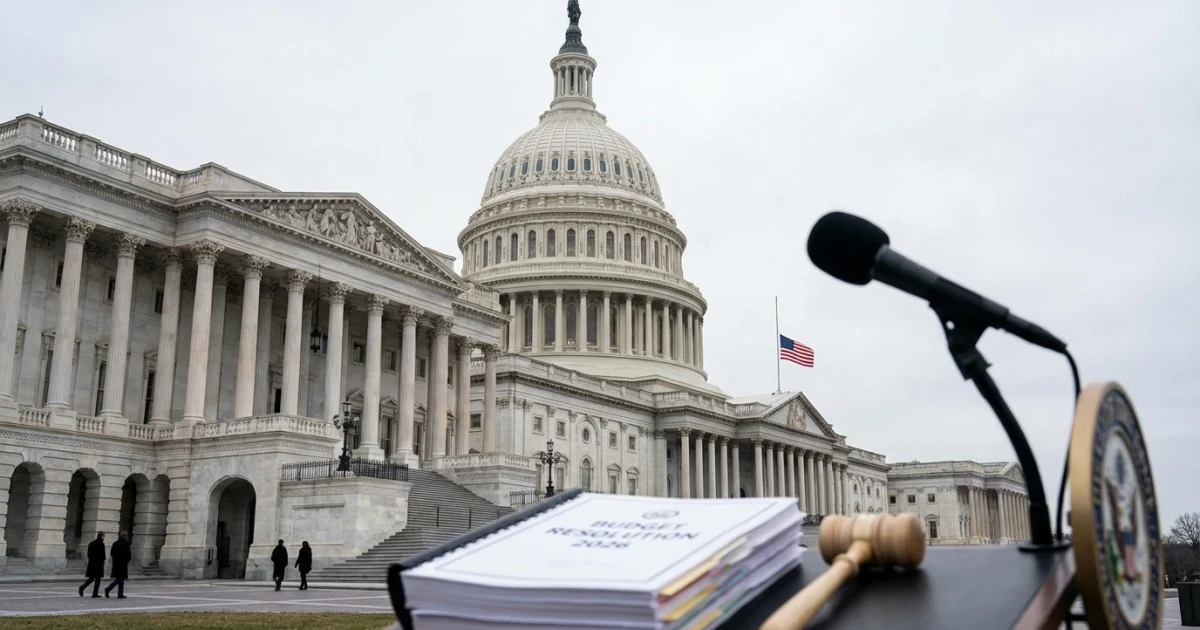
The Senate approved a Republican-led budget resolution on Tuesday, clearing a significant legislative hurdle for the party’s fiscal agenda and blocking key Democratic affordability proposals. The vote, conducted largely along party lines, sets the stage for further negotiations over federal spending priorities, including funding for immigration enforcement agencies such as ICE and border patrol.
Republican Budget Advances With Party-Line Support
The budget resolution was approved by the Senate with only Republican votes, as reported by The New York Times. The GOP plan outlines federal spending levels for the upcoming fiscal year and offers a framework for subsequent appropriations bills. The measure is a key procedural step in the congressional budget process, giving the majority party increased leverage as it crafts detailed funding legislation.
- The adopted budget lays out topline numbers for discretionary and mandatory spending, including significant allocations for homeland security and immigration enforcement.
- It does not carry the force of law but serves as a blueprint for appropriations decisions later in the year.
- According to Congressional Budget Office projections, the overall spending caps align with GOP priorities to constrain government growth while boosting enforcement at the border.
Democrats’ Affordability Proposals Rejected
Democratic senators put forward a series of proposals aimed at reducing costs for American families, including expanded health care subsidies, housing support, and measures to lower prescription drug prices. These amendments were ultimately defeated, with Republicans arguing they would add to the deficit and undermine fiscal discipline.
- The New York Times noted that Democrats’ efforts were focused on affordability for working- and middle-class households, but failed to gain bipartisan backing.
- Republicans maintained that their budget would rein in spending and prioritize core government functions like national security.
Funding for ICE and Border Patrol Moves Forward
A central provision of the GOP budget is the advancement of funding for Immigration and Customs Enforcement (ICE) and border patrol. This move comes amid ongoing debates over border security and immigration policy, with Republicans emphasizing the need for robust enforcement and Democrats warning about the humanitarian and fiscal implications of increased spending in these areas.
- The budget framework includes language supporting enhanced operations for border enforcement and interior immigration control.
- According to recent Government Accountability Office analyses, immigration enforcement represents a growing share of the Department of Homeland Security’s discretionary budget, a trend expected to continue under the GOP plan.
What Happens Next in the Budget Process?
Following the passage of the budget resolution, Senate committees will begin work on individual appropriations bills that spell out detailed spending for federal agencies. The House of Representatives will also weigh in, and any differences between the chambers will need to be reconciled before final funding decisions are made.
The current resolution, S.Con.Res.11, gives Republicans a legislative roadmap, but actual funding levels for programs like ICE, border patrol, health care, and housing will be determined in the coming months.
Looking Ahead
While the Senate’s adoption of the GOP budget marks a victory for Republican leadership, the process is far from over. The coming appropriations debates are likely to feature continued partisan divisions over spending priorities, especially on immigration and social policy. With the midterm elections approaching, both parties are expected to use the budget fight to highlight their fiscal philosophies and appeal to core constituencies.