Politics
Senate passes sweeping housing overhaul, sends bill to House

An 85-5 Senate vote gave the 21st Century ROAD to Housing Act a rare bipartisan stamp of approval, but the bill’s real measure will be whether it adds homes fast enough to dent a shortage that has pushed starter houses to $1 million or more in 242 cities. The legislation now moves to the House, where aides said it could come up as soon as Tuesday under suspension of the rules.
Supporters are calling it the biggest housing bill in more than 30 years, and the size of the package reflects that claim. Senate Banking and Urban Affairs Committee statements said the measure brings together years of bipartisan, bicameral work and folds Senate, House and White House priorities into a single framework. According to Sen. Jacky Rosen’s office, the bill contains more than forty provisions.
Its central bet is on supply. The package is designed to loosen regulations that slow construction, speed approvals, and provide grants to convert vacant buildings into affordable housing. It also aims to improve oversight and efficiency in federal housing programs and to preserve local control, a balance that Senate Banking Chairman Tim Scott said is intended to cut red tape, expand housing supply and protect taxpayers.
The bill also reaches beyond permitting and into the investment market. Reuters reported that the final version sets a cap of 350 single-family homes per institutional investor firm, while a Senate provision that would have required investors to sell within seven years was removed. That makes the package as much a response to fears about Wall Street ownership as it is a construction bill, and Elizabeth Warren said it would stop private equity from buying up homes.
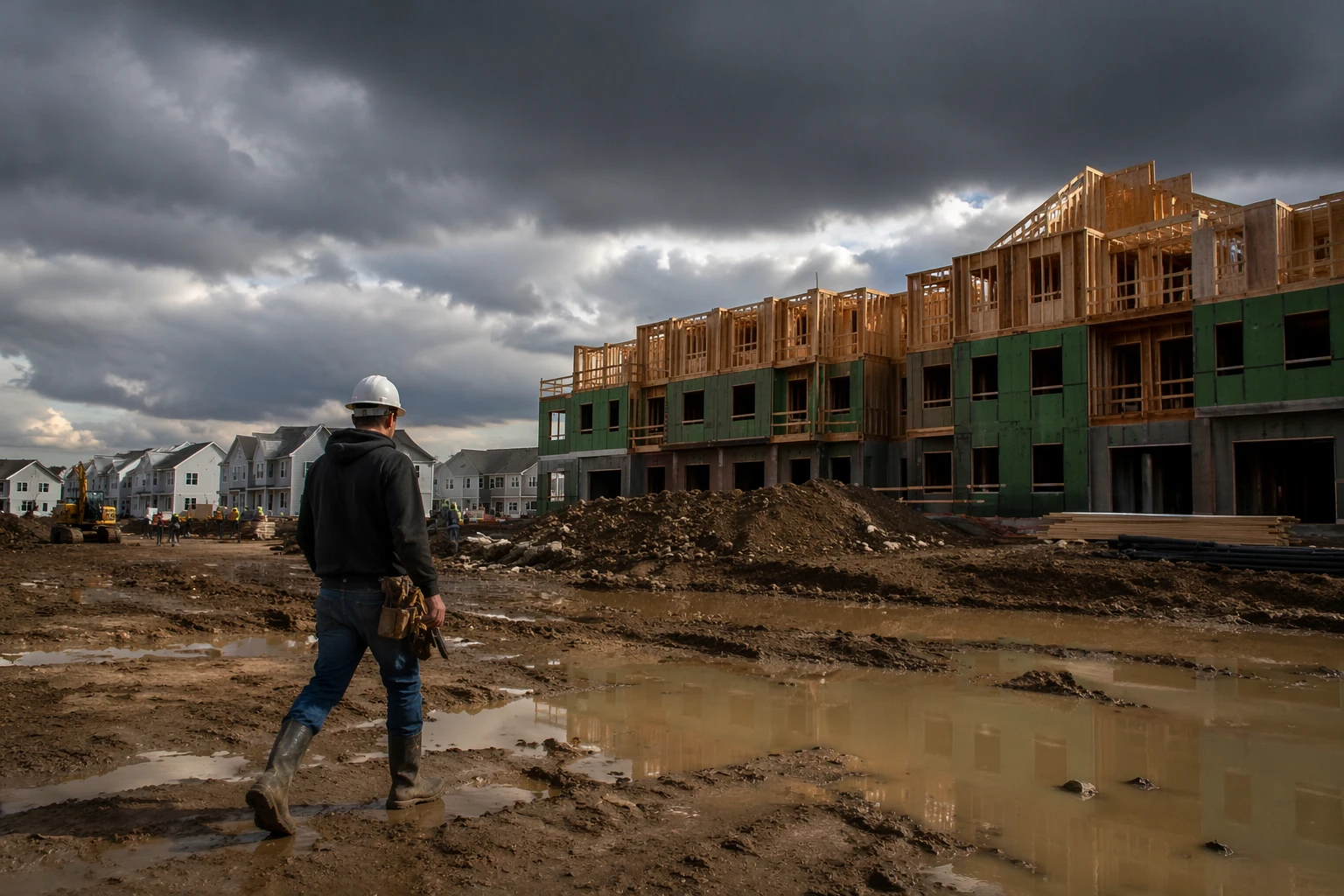
The question for lawmakers is how far federal action can go against a shortage that Freddie Mac estimated at 3.7 million units in 2024. The bill may help at the margins by speeding projects and reopening vacant properties, but zoning rules, labor costs, land availability and local permitting bottlenecks still sit mostly outside Washington’s reach. Nevada offers one reason backers see urgency: Rosen said it has the nation’s second-highest number of cost-burdened renters and homeowners, with more than half paying over 35% of monthly income for housing.
Backers including Katie Britt said the package expands and preserves housing supply while making federal programs more efficient. If the House moves quickly, the bill could reach President Donald Trump’s desk later this week. Even so, the Senate’s overwhelming vote may matter most as a signal that housing affordability has broken through partisan lines, not as proof that Congress can solve the shortage on its own.
Sources
- [1]abcnews.com
- [2]banking.senate.gov
- [3]usnews.com
- [4]rollcall.com
- [5]rosen.senate.gov
- [6]britt.senate.gov