Politics
Senate Rejects Bid to Limit Trump’s Iran War Powers
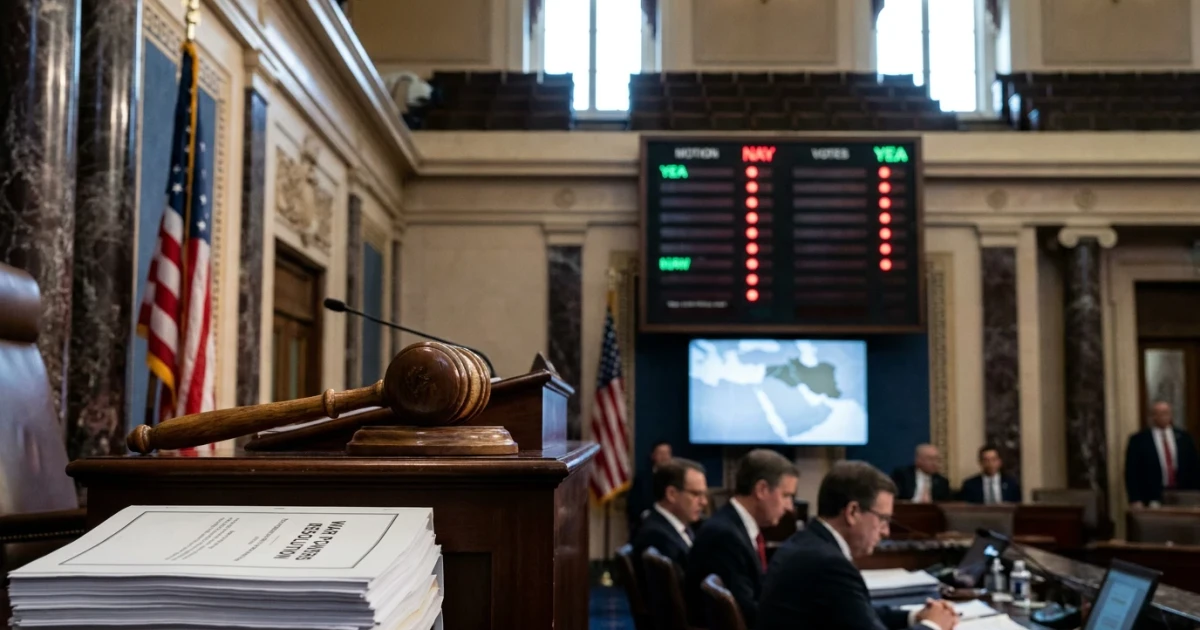
The U.S. Senate has once again rejected a proposal aimed at curbing President Donald Trump’s authority to use military force against Iran, marking a significant moment in ongoing debates over executive power and congressional oversight. Although the measure failed to advance, Reuters reports a notable shift as more lawmakers express support for reforming war powers.
Senate Vote Highlights Growing Support for Reform
The Senate’s decision follows a series of legislative attempts to limit unilateral military action by the president. The latest bill, which sought to reinforce congressional control over foreign military engagements, was blocked, but the margin of opposition has narrowed compared to prior votes. According to Senate roll call data, support for restricting presidential war powers has steadily increased over the past sessions, reflecting broader concerns about unchecked executive authority.
- Recent votes show a growing bipartisan coalition in favor of war powers reform.
- Key proponents argue that Congress must reclaim its constitutional role in authorizing military action.
- Opponents, however, contend that the president requires flexibility to respond to rapidly evolving threats.
Context: War Powers Resolution and Iran Policy
The debate centers around the War Powers Resolution of 1973, which was designed to limit the president’s ability to engage in armed conflict without congressional approval. While the resolution mandates notification and sets time limits for military action, its practical impact has been contested for decades. Recent legislative efforts, such as Senate Bill S.1786, aimed specifically to restrict Trump’s ability to initiate military operations against Iran without explicit authorization from Congress.
Reuters notes that the blocked measure reflects heightened tensions in U.S.-Iran relations and recurring concerns about escalation in the Middle East. Lawmakers on both sides of the aisle have referenced past incidents—such as the 2020 strike against Iranian General Qasem Soleimani—as evidence of the need for updated oversight mechanisms.
Analysis: Momentum and Ongoing Debates
While the Senate’s latest action maintains the status quo, momentum for reform appears to be building. Legislative records and policy research indicate that more senators are willing to challenge the executive branch’s war powers, citing both constitutional principles and public opinion. Advocacy groups and policy analysts have urged Congress to clarify its role and set firmer limits on military action, especially in volatile regions like Iran.
As Reuters highlights, the growing support for war powers reform could set the stage for future legislative efforts. A detailed Congressional Research Service report outlines the complexities and historical precedents involved in the war powers debate, suggesting that continued dialogue and incremental changes are likely.
What’s Next?
Although this latest bid was unsuccessful, lawmakers are expected to revisit the issue. The Senate’s shifting votes and increased attention to war powers signal ongoing concern about presidential authority in foreign policy, particularly regarding Iran. As debate continues, observers will be watching for new bills, amendments, and public statements that could reshape the balance between Congress and the White House.
For readers interested in tracking legislative developments, official records of Senate Bill S.1786 actions and individual voting data provide deeper insights into the evolving landscape.
In summary: While the Senate has maintained the president’s authority—for now—growing bipartisan support indicates that war powers reform remains an active and contentious issue in American politics.