Politics
Senate Rejects Iran War Powers Measure Amid Ongoing Debate
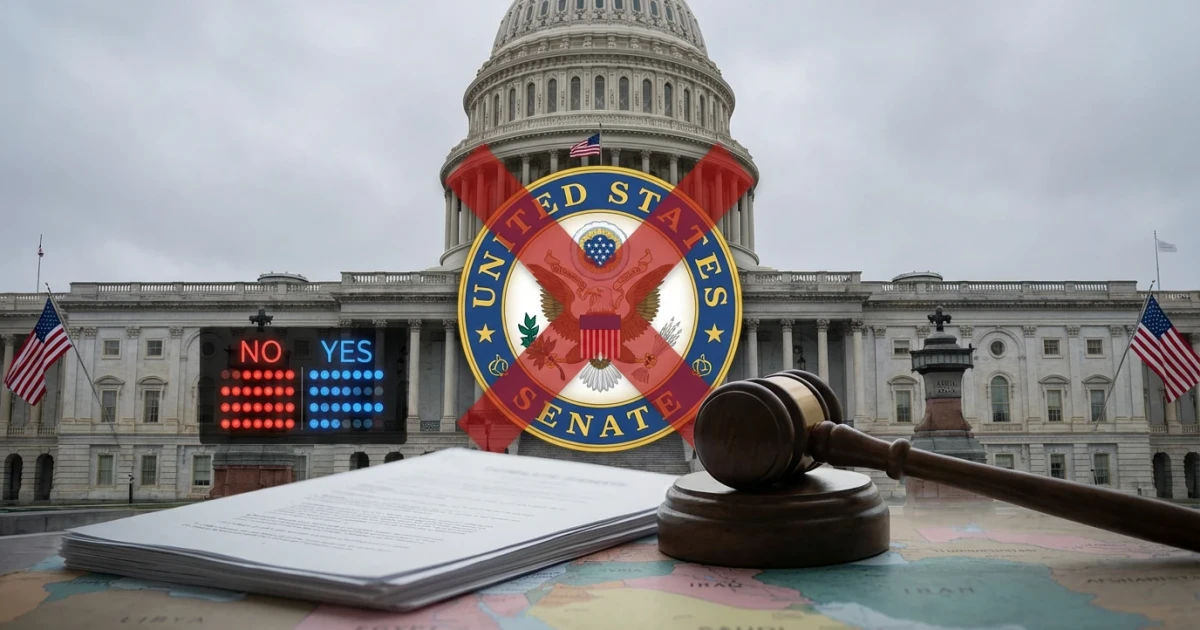
The US Senate has failed once more to pass a resolution aimed at ending US military engagement against Iran, as a vote this week left the measure defeated amid persistent partisan divides and ongoing debate over war powers. The closely-watched vote, covered by BBC and reflected in official government records, highlights the persistent tensions between Congress and the White House over the authority to initiate or continue overseas military action.
Senate Vote Reflects Division on War Powers
The latest attempt to direct the removal of US Armed Forces from hostilities against Iran was blocked in the Senate. According to official Senate voting records, the resolution failed to secure the necessary majority. This vote follows previous efforts, such as Senate Joint Resolution 10, which similarly sought to end US involvement in hostilities with Iran but did not advance into law.
- The measure was supported primarily by Democratic senators, continuing a trend of partisan alignment on limiting presidential war powers.
- Republican opposition centered on concerns about undermining the executive branch’s flexibility in responding to threats from Iran and its proxies.
- Previous war powers resolutions regarding Iran, including S.J.Res.68 from the 116th Congress, have faced similar hurdles.
War Powers Remain a Central Issue
At the heart of the debate is the balance of authority between Congress and the president over the use of military force. The War Powers Resolution grants Congress the power to limit or terminate US military involvement abroad, but successive administrations have often argued for broad executive authority, especially in volatile regions like the Middle East.
Despite the defeat, Democratic leaders have pledged to continue pressing for legislative oversight, arguing that prolonged military engagement requires clear congressional approval. This position is reinforced by ongoing concerns over potential escalation with Iran and the broader implications for US foreign policy in the region.
Implications for US-Iran Relations
The Senate’s failure to pass the resolution keeps the current authorization for US military activities in place, sustaining a status quo that has been in effect since the initial escalations involving Iran. According to the Congressional Research Service, US-Iran tensions have been marked by periodic flare-ups, drone strikes, and maritime incidents, all of which heighten the risk of miscalculation or unintended conflict.
- Continued US military presence in the region remains a point of contention domestically and internationally.
- Congressional advocates for restricting war powers argue that persistent deployments risk entangling the US in protracted conflicts without clear objectives or exit strategies.
What Comes Next?
Democratic senators have signaled that they will not abandon their efforts to reclaim congressional authority over war-making decisions. As reported by BBC, party leaders have vowed to keep bringing similar measures to the floor, emphasizing the need for accountability and the constitutional role of the legislative branch in authorizing military force.
With the issue far from resolved, observers expect further legislative attempts and continued debate over the proper scope of presidential power, especially as tensions in the Middle East persist. For now, the rejection of the latest resolution maintains the current approach to US military engagement with Iran, but the political and legal battles over war powers are likely to continue in the months ahead.