Politics
Senate Report Reveals Drug Price Hikes Despite Past Agreements
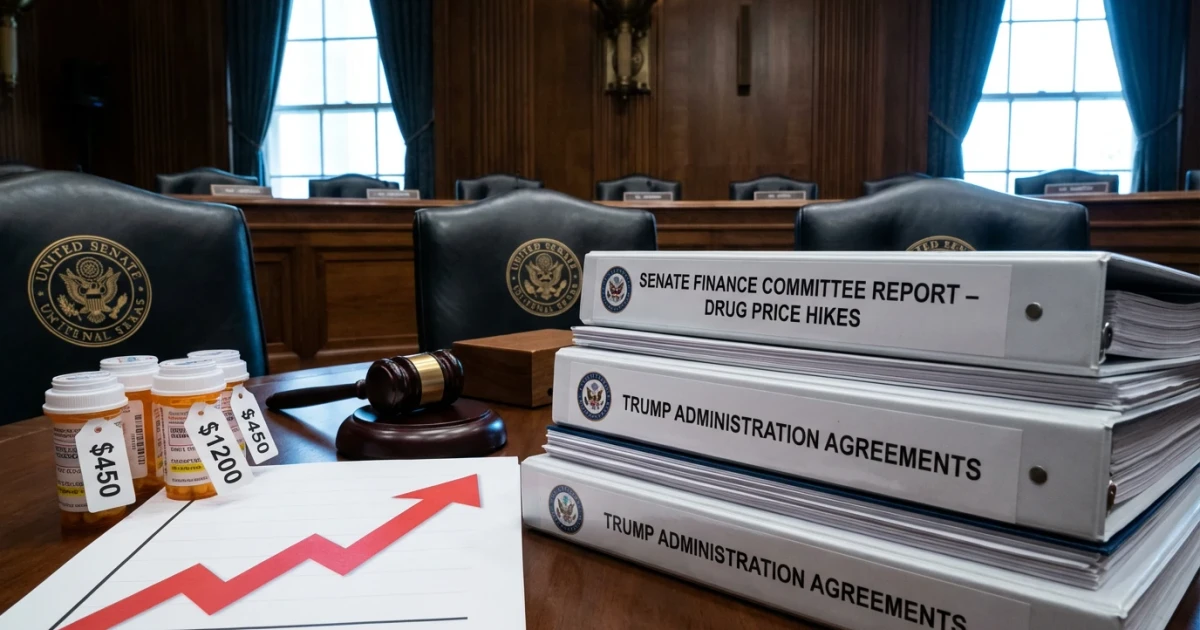
Major pharmaceutical companies increased prices on hundreds of prescription drugs in recent years, despite prior agreements with the Trump administration intended to hold down costs, according to a new report released by Senate Democrats. The findings, detailed in an official Senate Finance Committee Democratic Staff Report, highlight ongoing concerns over rising medication costs and the limitations of past policies to curb them.
Key Findings: Price Increases Continue
The Senate investigation underscores that, despite public statements and deals brokered under the Trump administration aimed at controlling drug prices, hundreds of drugs saw price hikes in the years since those agreements were made. NBC News, citing the Senate report, notes that these increases affected a wide range of medications, including those commonly used by Americans for chronic and life-threatening conditions.
- The report found price hikes on hundreds of branded drugs, with some increases reaching double-digit percentages in a single year.
- These increases were not isolated to a few companies or products, but reflected a broader industry trend.
- According to GoodRx's 2024 drug price data, dozens of the most prescribed medications saw list price hikes in the last year alone.
Background: Trump-Era Drug Pricing Policies
The Trump administration announced a range of initiatives between 2018 and 2020 aimed at lowering prescription drug costs. These included voluntary agreements with pharmaceutical manufacturers, as well as regulatory pushes to link U.S. prices to those paid in other countries. However, the Senate Democrats' report argues that the intended effect of these deals was not realized, as price increases continued unabated in many cases.
Federal analysis from the HHS Assistant Secretary for Planning and Evaluation shows that, despite policy efforts, overall prescription drug spending has continued to climb—driven in part by repeated price hikes on existing products.
Impact on Patients and Medicare
Rising drug prices have a direct impact on Americans, especially seniors and those enrolled in Medicare Part D. Data compiled by the Kaiser Family Foundation shows that the majority of top-selling Medicare Part D drugs have seen list price increases outpace inflation in recent years—meaning higher out-of-pocket costs for patients and greater spending by the federal government.
- For example, the CMS Medicare Part D Drug Spending Dashboard reveals that several commonly used diabetes, heart, and cancer medications have had price increases of 10% or more since 2020.
- According to the Government Accountability Office, prescription drugs remain one of the fastest-growing costs in the U.S. healthcare system, straining both consumers and public budgets.
Industry Response and Ongoing Policy Debate
Pharmaceutical manufacturers have often argued that price adjustments are necessary to fund research and development for new treatments. However, lawmakers and patient advocacy groups continue to call for stronger government action to address affordability.
The Senate Finance Committee’s findings add new urgency to ongoing debates over how to best manage prescription drug costs. Proposals under discussion include allowing Medicare to negotiate prices directly with manufacturers, instituting inflation caps, and increasing transparency in drug pricing practices.
Looking Ahead
The release of this Senate report reignites scrutiny of pharmaceutical pricing and the effectiveness of past policies. As Congress weighs additional reforms, the data suggest that voluntary industry agreements alone may not sufficiently protect consumers from rising costs. Future legislative efforts will likely focus on more robust tools to ensure prescription drugs remain accessible and affordable for all Americans.