Politics
Senate Republicans Diverge From Trump on Funding Dispute
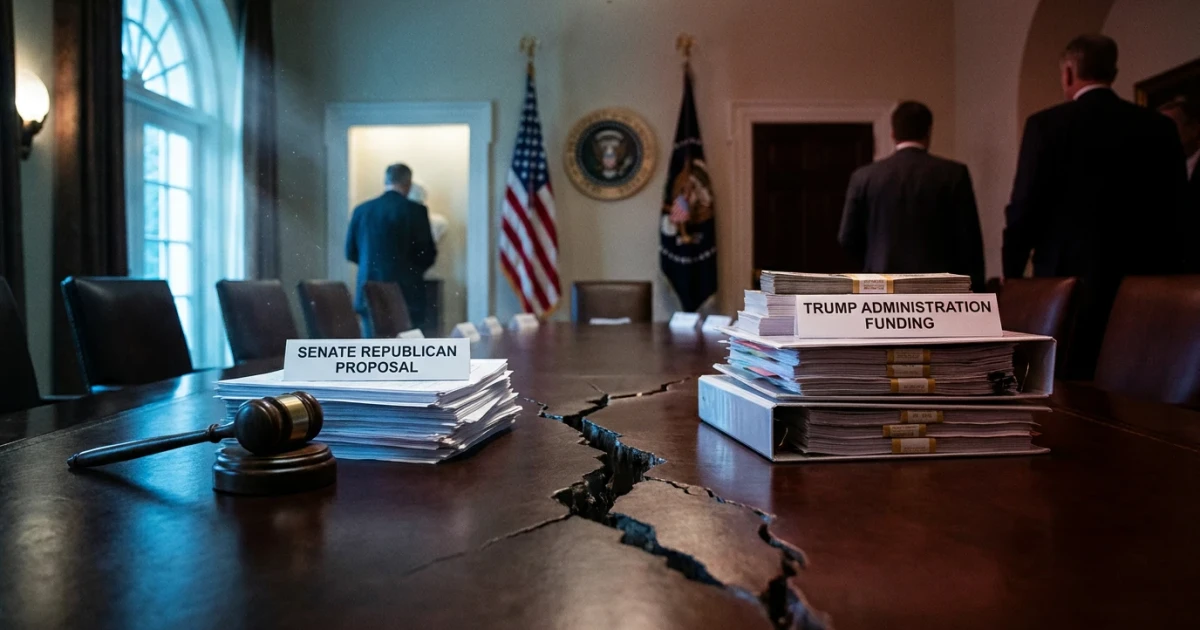
Senate Republicans are showing signs of discord with Donald Trump over the contentious 'anti-weaponization fund,' marking a notable shift in the party's internal dynamics as the chamber debates federal appropriations. The rift, spotlighted by recent statements and votes, has stirred uncertainty about Republican unity heading into critical legislative negotiations.
Senate Republicans Oppose Trump on 'Anti-Weaponization Fund'
In a development first reported by PBS, several Senate Republicans have distanced themselves from Trump’s position regarding the 'anti-weaponization fund' included in the latest Commerce, Justice, Science, and Related Agencies Appropriations Act, 2024. The fund, designed to limit what some lawmakers perceive as the politicization of federal agencies, has become a flashpoint within the party.
- Multiple Republican senators have voiced concerns that the fund could undermine the independence of federal law enforcement and judicial bodies.
- Others worry about the optics of aligning too closely with Trump’s demands, especially as the party gears up for upcoming elections.
- The break is evident in recent Senate roll call votes, where a noticeable number of Republicans voted against provisions championed by Trump.
This divergence comes at a time when Republican lawmakers are navigating both policy disagreements and concerns about their public image. According to the official House Appropriations Committee report, the fund's stated purpose is to "prevent the misuse of federal agencies for political purposes," but the implementation details have sparked debate.
Trump Responds Amid Uncertainty
Former President Trump addressed the growing Senate split in remarks covered by C-SPAN, expressing uncertainty about his influence over Republican legislators. He stated that he "doesn't know" if he’s losing control of the Senate GOP, underscoring the unpredictability of the party’s alignment on high-profile issues.
"I don't know if I'm losing control over Senate Republicans. We'll see what happens."
Trump’s comments highlight the challenge he faces in rallying support for his agenda, particularly as some senators prioritize institutional norms and constituent concerns over personal loyalty. The question of whether Trump retains decisive influence over Republican senators remains open, as noted by both outlets.
Party Dynamics and Broader Implications
The split reflects deeper tensions within the Republican Party, as documented in Pew Research Center analysis. While Trump maintains significant sway among the base, Senate Republicans are increasingly asserting their independence, especially on issues involving federal oversight and appropriations.
- Party leaders are balancing Trump’s expectations with the need for broad legislative consensus.
- Some senators are concerned about the precedent set by politicizing funding mechanisms such as the 'anti-weaponization fund.'
- The debate is likely to influence future appropriations bills and Republican strategy.
Understanding the mechanics behind appropriations is critical, as the process is governed by established legal frameworks. For readers seeking clarity on this aspect, the Legal Information Institute’s explainer offers insight into how such funds are debated and enacted.
Looking Ahead
The ongoing dispute signals a period of adjustment for Senate Republicans as they weigh the costs and benefits of following Trump’s lead. The fate of the 'anti-weaponization fund' may set the tone for future legislative battles, with both the party’s cohesion and Trump’s influence under scrutiny. As the appropriations process continues, observers will be watching to see whether this split deepens or resolves, shaping the Republican agenda for months to come.