Politics
Senate Ruling Puts Trump's Ballroom Funding at Risk
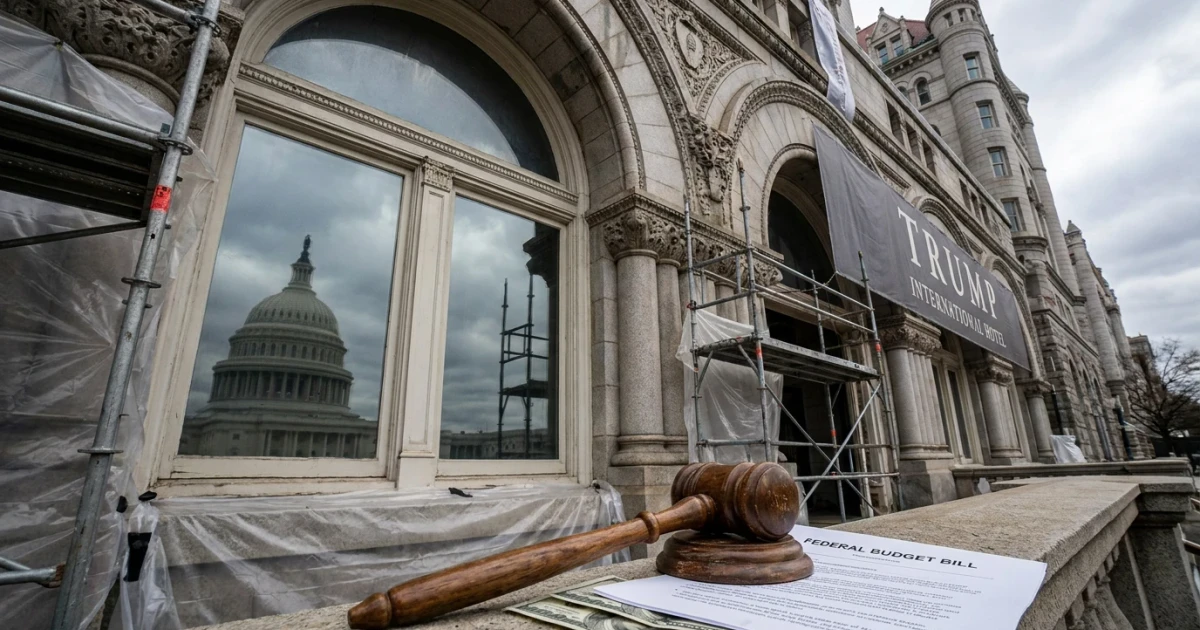
Federal funding for a ballroom renovation at a Trump property is now uncertain following a Senate ruling that challenges its inclusion in the GOP’s sweeping budget bill. Both The New York Times and Reuters report that a procedural decision in the Senate has put the dedicated funds for this project in jeopardy, raising questions about the future of federal support for high-profile real estate improvements.
Senate Ruling Targets Specific Funding Provision
The controversy centers on language in the Consolidated Appropriations Act, 2024, a major budget bill crafted by House Republicans. The bill included earmarked funds for the renovation of a ballroom located at a Trump-owned property, an allocation that drew attention from lawmakers and the public.
According to The New York Times, the Senate’s parliamentarian ruled that the funding provision for the ballroom did not meet necessary criteria for inclusion under budget reconciliation rules. This decision means the earmark could be stripped from the bill unless lawmakers find a way to revise the language or secure a separate vote.
Impact on Trump Property and GOP Budget
Reuters emphasizes that this ruling specifically jeopardizes federal funding for Trump’s ballroom, signaling broader scrutiny of expenditures on properties with political connections. The ballroom, which was slated for renovation, would have benefited from funds allocated through the National Park Service Construction Account, a federal spending program used for various event space upgrades and maintenance projects.
- The Senate’s ruling could remove millions in planned funding for the ballroom project.
- This marks one of the highest-profile challenges to a property-specific earmark in the current budget cycle.
- The ruling reflects growing bipartisan concern over the use of federal funds for projects tied to current or former officeholders.
Procedural Details and Legislative Context
Senate rules dictate that certain provisions can be challenged if they do not meet the standards for budgetary relevance or if they are deemed ‘extraneous’ according to precedents detailed on the U.S. Senate Rules and Administration page. In this case, the parliamentarian’s decision was based on strict criteria governing what can be included in reconciliation bills, which are typically reserved for fiscal measures.
The ruling does not automatically remove the funding, but makes it vulnerable to a point of order or amendment on the Senate floor. Lawmakers would need to defend the provision or rework the bill to protect the ballroom funds.
Analysis: Broader Implications for Federal Real Property Funding
This ruling highlights longstanding debates about federal spending on real property improvements, especially when projects involve politically sensitive locations. According to the Government Accountability Office, such funding often faces additional scrutiny when tied to prominent figures or controversial sites.
- The case may set a precedent for future attempts to earmark funds for specific event spaces or ballrooms.
- It illustrates how procedural rulings can shape the scope and direction of budget bills.
- Federal funding for property renovations is often subject to oversight and debate, especially in high-profile cases.
Next Steps for Lawmakers
As the budget bill moves through the Senate, lawmakers must decide whether to defend the ballroom provision or let it fall by the wayside. The decision could impact not only the Trump property but also future spending on federally owned or leased event spaces.
Observers note that this episode underscores the importance of cost estimate analyses and transparent review processes in federal appropriations. With public attention focused on potential conflicts of interest, the Senate’s procedural rulings may become increasingly influential in shaping how funds are allocated.
In conclusion, while the fate of the ballroom funding remains uncertain, the Senate’s ruling has sparked a wider debate about the appropriateness of federal spending on properties linked to political figures and the mechanisms that govern such allocations. As the budget process continues, both the outcome and the precedent set will be closely watched by lawmakers and the public alike.