Politics
Senate Scrutinizes Trump’s $1B White House Ballroom Plan
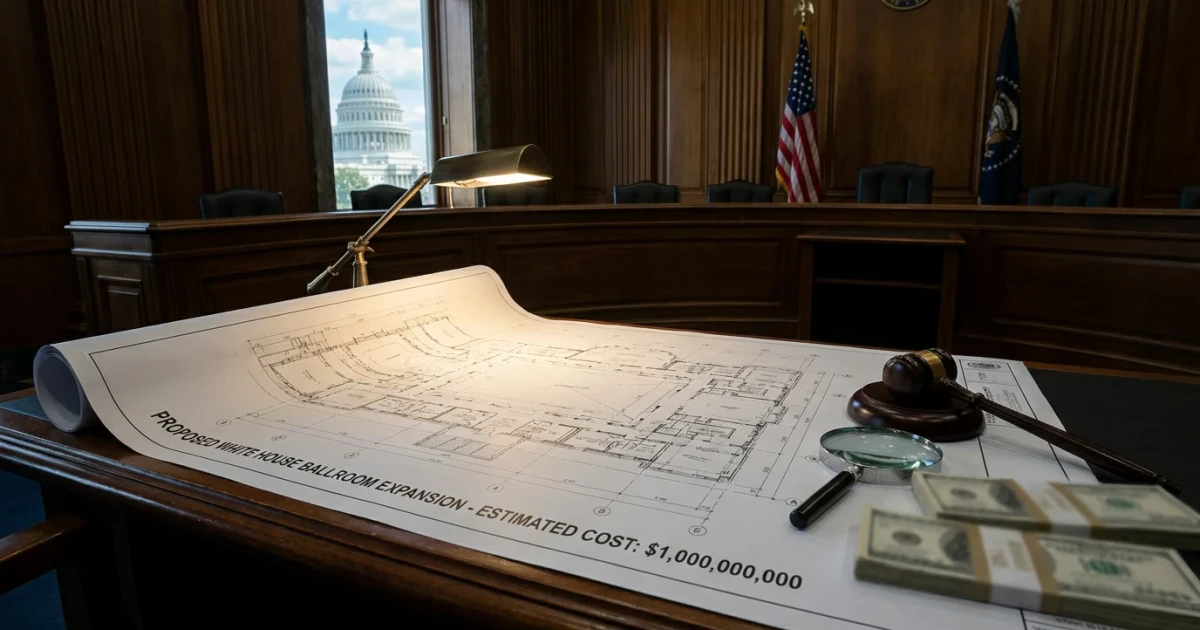
Senator Rand Paul has raised pointed concerns regarding the proposed allocation of $1 billion in federal funds for a new White House ballroom, a signature initiative reportedly advocated by former President Donald Trump. The funding is expected to face significant scrutiny ahead of the Senate vote, with Paul suggesting that private sources would be a more appropriate avenue for financing the project.
Ballroom Proposal Draws Senate Attention
The plan for a lavish ballroom at the White House has become a focal point of debate in Washington, especially given its unprecedented price tag. According to Yahoo, Senator Paul has stated that the proposal faces “a lot of questions” before it comes up for a vote in the Senate, reflecting broader concerns about both the necessity and the cost of such an undertaking.
- $1 billion is the proposed federal budget for construction
- The project would mark one of the largest single capital investments in White House history
- Senator Paul’s comments highlight skepticism among fiscal conservatives about government spending on non-essential infrastructure
While White House renovations have taken place throughout history, including significant overhauls in the Truman and Kennedy eras (see historical renovation timeline), a ballroom of this scale would be a dramatic departure from traditional projects.
Calls for Private Funding
Senator Paul has made clear his preference for private funds over taxpayer dollars, arguing that public resources should be reserved for essential government operations rather than luxury enhancements. His stance echoes debates around past White House upgrades, which have occasionally drawn on philanthropic contributions or external sponsorship for art, furnishings, and technology improvements (see CRS report on White House funding).
Congressional appropriations for White House capital projects are typically detailed in annual legislation, such as the Consolidated Appropriations Act. However, the scale of this ballroom budget would require additional scrutiny and likely separate line-item consideration, raising questions about precedent and fiscal responsibility.
Senate Debate and Oversight
The Senate is expected to review the proposal in the context of broader government spending, with lawmakers weighing the potential benefits against competing priorities. Paul’s remarks indicate that there will be a robust debate on whether public funds should be allocated to projects perceived as non-essential. It is not yet clear how other senators will vote, but the issue has brought attention to the intersection of presidential legacy, public expenditure, and architectural preservation.
- Senator Paul’s position: Prefer private funding for White House ballroom
- Senate will examine necessity, cost, and funding sources
- Historical precedent for White House renovations typically involved smaller budgets
For those interested in tracking the official budget proposal and appropriations, the full text of the U.S. Government Fiscal Year 2025 budget provides line items that can be searched for allocations related to White House construction and renovations. Additionally, spending data can be explored on USAspending.gov.
Senator Paul’s Direct Statement
"A lot of questions"
Looking Forward
As the Senate prepares to debate the ballroom funding, the outcome is uncertain. The controversy highlights ongoing tensions between presidential ambitions, congressional oversight, and public accountability for government spending. The proposal’s fate may depend on whether lawmakers agree with Senator Paul’s call for private investment or opt to support federal funding for a major White House expansion.