Politics
Senate Vote Paves Way for Minnesota Mining Bill
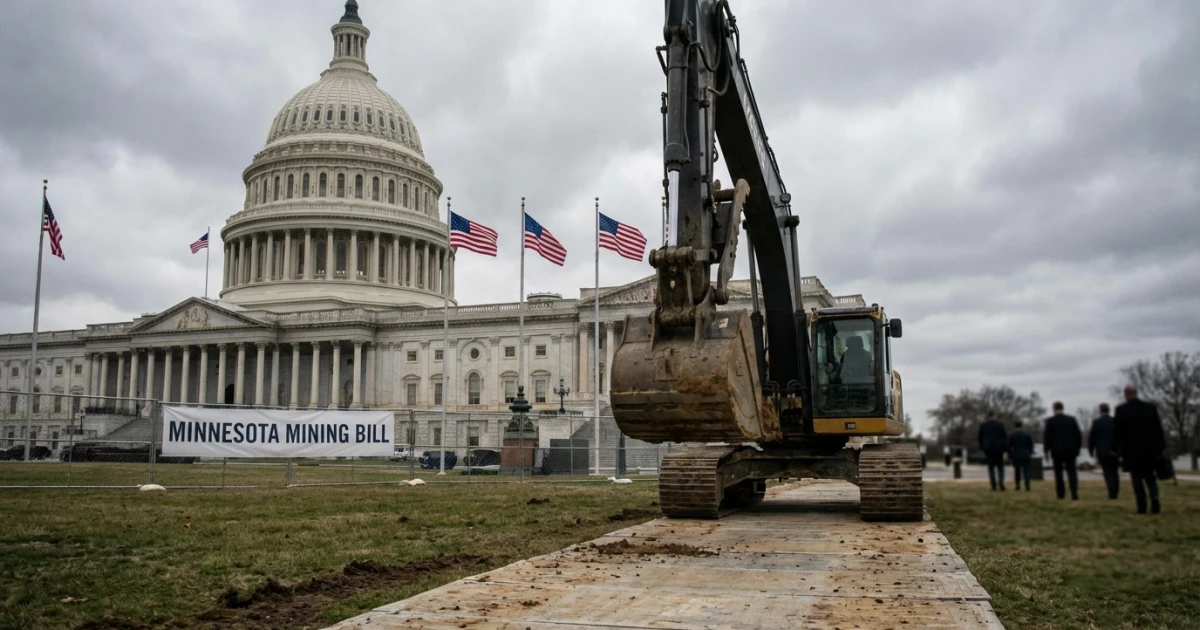
The United States Senate has narrowly approved a measure to overturn a longstanding federal mining ban in Minnesota, advancing a bill that could reshape the economic and environmental landscape of the state’s mineral-rich northeast. The bill now heads to President Trump’s desk for final consideration, marking a critical juncture for the future of mining and conservation in the region.
Senate Decision and What’s at Stake
The Senate vote, described as close by Reuters, reflects the contentious debate surrounding mineral extraction near Minnesota’s Superior National Forest and the Rainy River watershed. These areas are home to significant reserves of copper, nickel, and other strategic minerals, but also contain some of the most pristine wilderness and watershed areas in the United States.
Background on the Mining Ban
- The original federal mining ban was enacted to protect the Boundary Waters Canoe Area Wilderness and surrounding ecosystems from potential impacts of sulfide-ore copper mining.
- The affected region covers hundreds of thousands of acres of federal land, as detailed in Bureau of Land Management withdrawal records.
- The ban had halted new mineral leases and exploration permits, impacting projects proposed by companies like Twin Metals Minnesota.
Economic and Environmental Implications
Supporters of overturning the ban argue that opening these lands to mining could bring significant economic benefits, especially to communities in northern Minnesota. The area contains some of the largest undeveloped deposits of copper and nickel in the United States, resources critical for electric vehicles, renewable energy infrastructure, and electronics.
According to Minnesota Department of Natural Resources data, metallic mineral mining and exploration has contributed to state and local economies through jobs, royalties, and support industries. Nationally, the USGS Mineral Commodity Summaries highlight a growing demand for copper and nickel, underscoring the strategic importance of domestic production.
However, environmental advocates warn that sulfide-ore mining carries high risks of water pollution, especially in the interconnected lakes and rivers of the Rainy River watershed. The area is renowned for its clean water, recreational tourism, and ecological significance. Past EPA analysis has flagged concerns over potential acid mine drainage and heavy metal contamination, which could threaten fish, wildlife, and local communities.
Next Steps and Political Context
With Senate passage, the bill moves to President Trump, who has previously expressed support for expanding domestic mineral production. If signed into law, the measure would effectively overturn federal protections and allow for renewed lease applications and exploration—though projects would still require permitting and environmental review at both the state and federal levels.
The House previously passed a similar version of the legislation, as documented in the Congressional record for H.R.3905. The final outcome is now in the hands of the President, and both supporters and opponents are bracing for a new phase in Minnesota’s mining debate.
Looking Forward
The Senate’s decision highlights the ongoing tension between economic development and environmental protection in resource-rich regions. As stakeholders wait for the President’s decision, the future of northern Minnesota’s public lands—and the communities and ecosystems that depend on them—hangs in the balance.