Politics
Senator Markey Calls for End to War Crimes in US Leadership
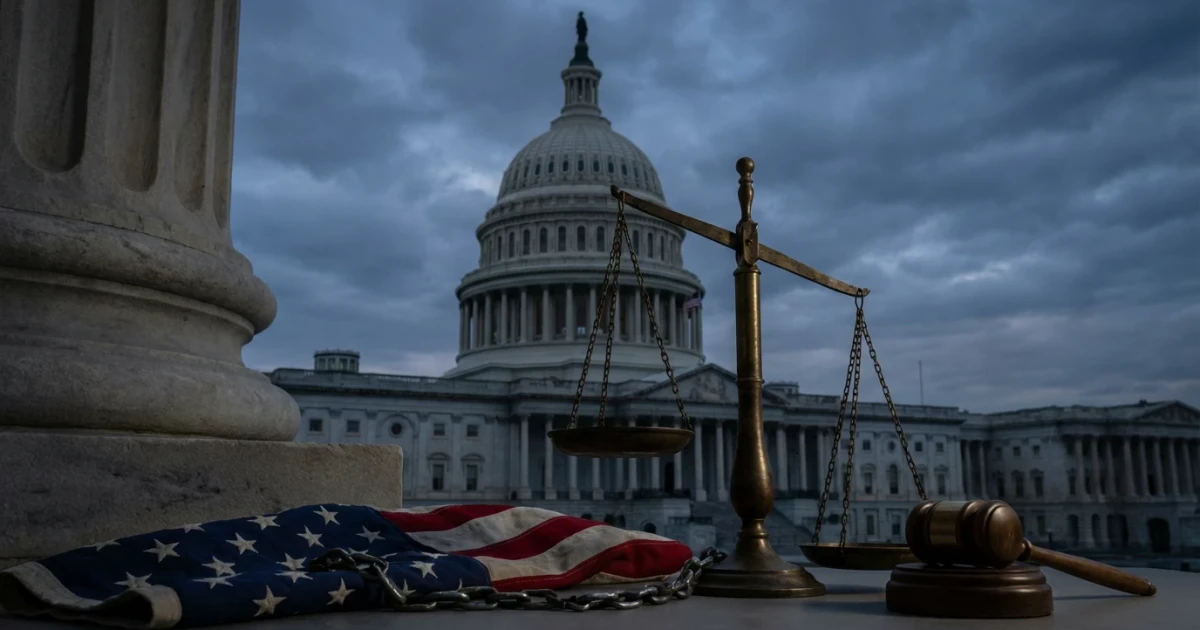
Senator Ed Markey has publicly declared that there should be "no more war criminal in the White House," underscoring mounting calls for accountability regarding alleged war crimes committed by US officials. Markey’s remarks, reported by Anadolu Ajansı, reflect growing scrutiny by lawmakers and human rights advocates over the conduct of America’s military and foreign policy leadership.
Markey’s Statement and Its Context
The Massachusetts senator’s comments come amid ongoing debates over US involvement in foreign conflicts and the legal responsibilities of government officials under international war crimes law. While Markey did not specify any individual or administration in his statement, his call for "no more war criminal in the White House" signals concern over the legacy of recent US presidents and their authorization of military actions abroad.
Background: Allegations of War Crimes
Accusations of war crimes against US leaders have periodically surfaced in recent decades, particularly in relation to military campaigns in Iraq, Afghanistan, and elsewhere. Annual Country Reports on Human Rights Practices from the US State Department document civilian casualties, detainee abuse, and other alleged violations by US and allied forces. Additionally, the International Criminal Court (ICC) maintains official records of investigations into potential war crimes, though the US is not a party to the ICC’s Rome Statute.
- Human Rights Watch has detailed alleged violations of the laws of war by US officials, noting instances of civilian harm and controversial detention practices. Their 2022 report includes case studies and statistics on accountability gaps.
- The Just Security War Crimes Database tracks allegations and prosecutions involving US actions, providing legal analysis and links to relevant documents.
- Congressional records, such as the Senate Foreign Military Legislation Records, offer details on authorizations for the use of military force that have shaped the US’s global footprint.
Calls for Accountability and Reform
Senator Markey’s statement aligns with a broader movement among lawmakers and civil society groups demanding greater oversight of military action and stricter adherence to international law. Advocates argue that without meaningful accountability for senior officials, violations of the laws of war may persist and undermine US credibility on human rights.
Legal experts, referencing the legal definition of war crimes, stress that both international treaties and US federal law prohibit acts such as willful killing, torture, and targeting of civilians by state actors. Efforts to prosecute or censure US officials for alleged war crimes have faced significant political and legal hurdles, given the country’s non-participation in the ICC and claims of national sovereignty.
Implications for US Policy
Markey’s remarks may intensify debate within Congress about the scope of presidential war powers and the processes for investigating alleged misconduct. Some lawmakers have advocated for independent commissions or reforms to military spending and oversight to reduce the risk of future abuses.
While it remains unclear whether these calls will result in concrete policy changes, the senator’s position adds to the ongoing dialogue about America’s role in global security and its obligations under international humanitarian law.
Looking Ahead
As political leaders and the public continue to grapple with the legacy of US military operations abroad, demands for transparency and accountability are likely to remain central to upcoming elections and policy debates. Senator Markey’s statement serves as a reminder of the enduring importance of upholding legal and ethical standards at the highest levels of government.