Politics
Senator Ted Cruz Alleges Trump Occasionally Blocked India-US Trade Deal, JD Vance Involved
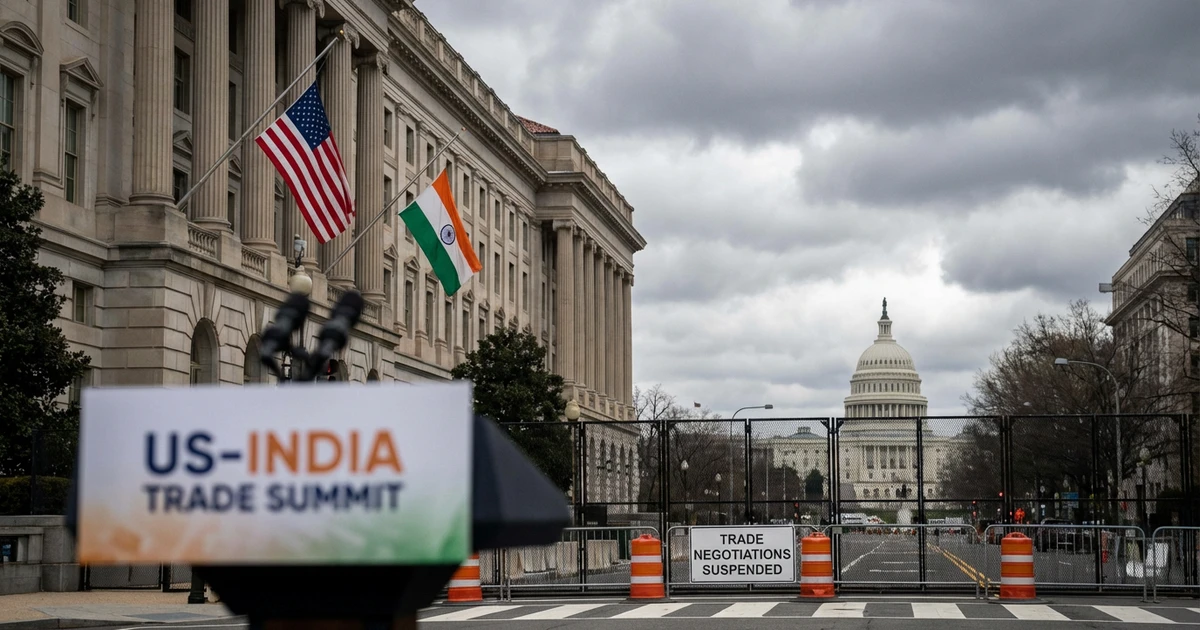
Recent comments by Republican Senator Ted Cruz have reignited debate over the handling of India-US trade negotiations during the Trump administration, implicating both former President Donald Trump and Senator JD Vance in the process. Cruz alleged that Trump 'sometimes' blocked a potential trade deal with India, an assertion that has drawn attention to intraparty divisions and the future of US-India economic relations.
The Allegation: Trump’s Role in India-US Trade Talks
The claim surfaced in a recent report that details Senator Cruz’s perspective on the obstacles faced during discussions over an India-US trade agreement. According to Cruz, then-President Trump occasionally intervened to halt progress on a deal, a move that Cruz suggests was not always consistent, but significant enough to affect the negotiations’ outcome. This revelation offers insight into the complexities of trade policy within the previous administration and the influence of key political figures on international economic agreements.
JD Vance’s Involvement
The report also references Senator JD Vance, highlighting his association with the Trump administration’s trade stance. While the specifics of Vance’s involvement remain limited in the available information, his mention in this context places him within the ongoing discussion about Republican approaches to trade policy, especially with strategic partners like India.
Implications for US-India Relations
India and the United States have long eyed deeper economic ties, with trade agreements seen as a cornerstone of their strategic partnership. The claim that the Trump administration intermittently blocked progress on a deal underscores the challenges of balancing domestic priorities with international diplomacy. The episode also highlights how individual leaders’ perspectives can shape the course of international negotiations.
- India is one of the fastest-growing major economies and a critical US partner in the Indo-Pacific.
- Trade between the two countries has grown steadily, but significant barriers remain.
- Past attempts at a comprehensive trade deal have repeatedly stalled over issues such as tariffs, market access, and intellectual property rights.
Intraparty Debate and Policy Outlook
Cruz’s comments may reflect broader divisions within the Republican Party over trade. While some within the party advocate for more protectionist policies, others support freer trade with major economies like India. The alleged involvement of JD Vance, a prominent Republican senator, further illustrates the ongoing policy debate as the party shapes its stance ahead of future elections and international negotiations.
Looking Forward
As the United States and India continue to explore ways to strengthen their economic partnership, the legacy of past negotiations—and the roles played by key political figures—remains a point of analysis for policymakers and observers alike. The recent claims by Senator Cruz not only bring renewed scrutiny to the Trump administration’s trade tactics but also raise questions about the continuity of US trade policy toward India.
With trade still at the forefront of US-India relations, these revelations may influence future talks and the strategic calculus of both nations. Observers will be watching closely to see how current and future US administrations approach the opportunities and challenges of a potential India-US trade deal.