Business
Senator Tillis Signals Support for Warsh as Fed Chief
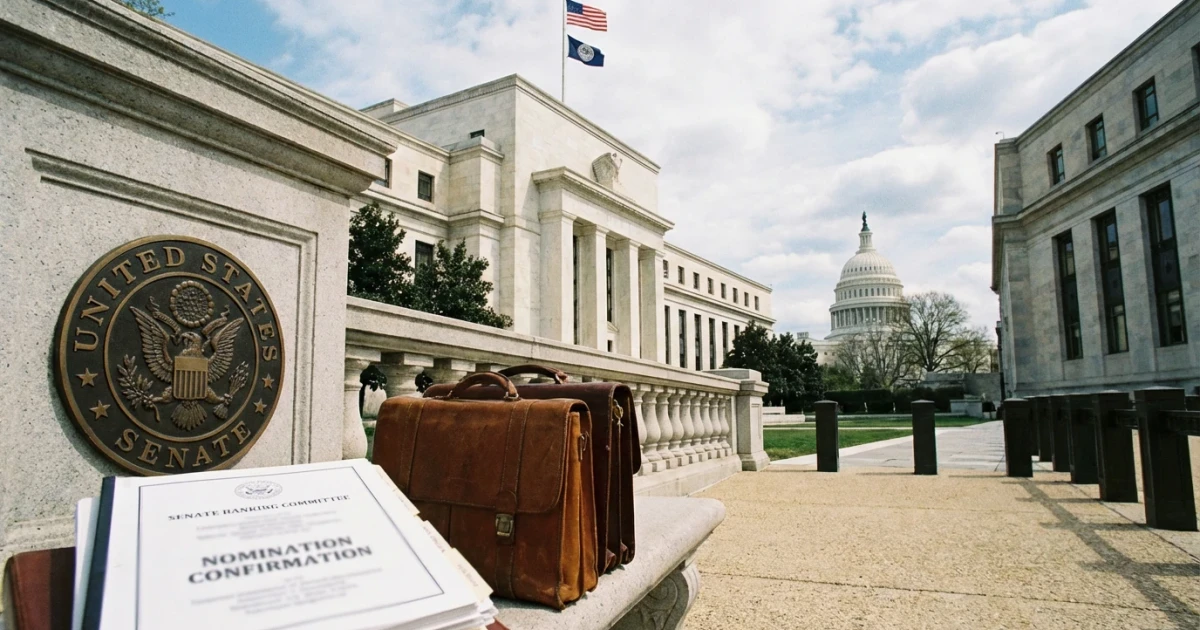
Senator Thom Tillis has agreed to advance Kevin Warsh’s nomination as the next Chair of the Federal Reserve, clearing a significant hurdle in the confirmation process, according to The Washington Post. This move is widely seen as paving the way for Warsh’s formal approval to lead the U.S. central bank, a role critical to steering the nation’s monetary policy amid ongoing economic challenges.
The Path to Confirmation
Tillis’s decision to support moving forward with Warsh’s nomination marks a turning point after weeks of speculation and behind-the-scenes negotiations. As a senior member of the Senate Banking Committee, Tillis’s backing is considered essential for the confirmation process to proceed to a full Senate vote. The news was also confirmed by CNN, which noted that Tillis’s agreement removes a major obstacle for Warsh and reflects a consensus-building effort among Senate Republicans.
Kevin Warsh’s Background and Federal Reserve Experience
Warsh is no stranger to the Federal Reserve. He previously served as a member of the board of governors from 2006 to 2011, where he played a prominent role during the global financial crisis. His track record at the Fed, including his participation in key Federal Open Market Committee (FOMC) meetings, has made him a familiar figure in economic and policy circles. For a detailed review of his tenure and key policy positions, readers can consult his official service record at the Federal Reserve.
- Warsh was first appointed to the board in 2006 and served until 2011.
- He was actively involved in shaping the Fed’s response to the 2008 financial crisis.
- His nomination for the top post is being tracked on the official congressional nomination tracker.
What Warsh’s Confirmation Means for the Federal Reserve
If confirmed, Warsh would take the helm at a time when the Federal Reserve is facing complex economic signals, including persistent inflation concerns and debates over the direction of interest rates. The process for selecting the Fed Chair involves presidential nomination followed by Senate confirmation, as outlined in the Federal Reserve’s official FAQs.
Warsh’s economic philosophy is viewed as more hawkish compared to some recent predecessors, with a focus on maintaining price stability and transparency in policy communication. His leadership is expected to influence not only interest rate policy but also regulatory oversight and the Fed’s approach to emerging financial risks.
Senate Dynamics and Next Steps
Tillis’s support is crucial because the Senate Banking Committee’s endorsement is typically a prerequisite before a nominee advances to the full Senate. With Tillis on board, Warsh is widely expected to secure enough votes for confirmation, barring unexpected developments. The official timeline and records of the confirmation process can be tracked through Congress.gov.
Historical Context and Forward Outlook
Warsh would join the ranks of previous Federal Reserve leaders, a group whose decisions have long shaped U.S. and global economic policy. For those interested in the institution’s history and the role of the Fed Chair, the Federal Reserve Bank of St. Louis maintains a comprehensive list of past chairmen and their legacies.
Looking ahead, Warsh’s confirmation would signal a period of continuity for the central bank, but also potential shifts in monetary strategy as the Fed responds to evolving economic data and global pressures. Stakeholders from Wall Street to Main Street will be watching closely as the Senate moves toward a final vote and the Federal Reserve prepares for its next chapter under new leadership.