Politics
Senators plan bill to centralize federal fight against scams
Americans are losing real money to scams at a scale that now looks less like a nuisance than a national consumer-protection failure. Nearly 30% of people who reported losing money to a scam said it began on social media, and senators were set to unveil a bill in Washington that would centralize federal anti-scam efforts and give consumers a clearer way to identify fraud.
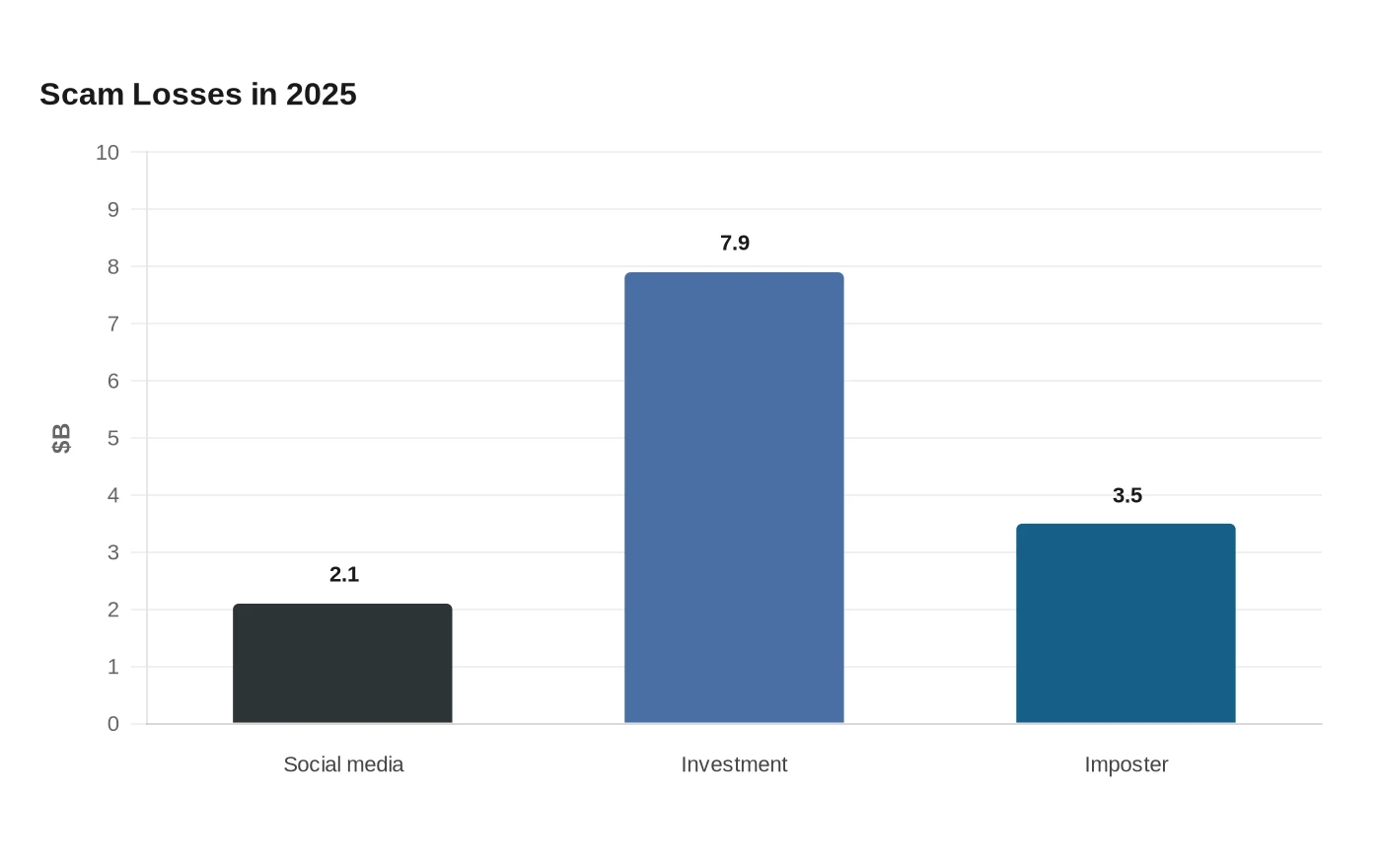
The stakes are already measured in billions. The Federal Trade Commission said social-media scam losses reached $2.1 billion in 2025, eight times the level in 2020. The agency also said consumers reported more than $7.9 billion in losses to investment scams that year, along with more than 1 million imposter-scam reports that produced $3.5 billion in losses. Government imposter scams rose 40% in 2025, a surge the FTC said was helped along by bogus overdue-toll texts.

The new Senate proposal is part of a broader bipartisan drive in Congress to confront online fraud, where the enforcement picture is scattered across agencies, platforms, banks and state regulators. The central question is whether one federal hub would actually make it easier for victims to report fraud, understand what happened and recover losses, or whether it would create another bureaucracy layered on top of a system that already leaves consumers chasing separate agencies after the money is gone.
Lawmakers have already moved on related legislation. Sens. Ruben Gallego and Bernie Moreno introduced the SCAM Act on Feb. 4, 2026, targeting predatory online scam ads. That measure would require online platforms to take reasonable steps to stop fraudulent and deceptive advertising and would strengthen FTC and state enforcement. The American Bankers Association backed that approach, arguing that scams should be stopped before they ever reach banks.
The overlap matters because most scam victims do not experience fraud as a policy debate; they experience it as a drained account, a vanished transfer or a false message that looked official enough to trust. If the new bill delivers only another federal address for complaints, it may satisfy a Washington impulse to centralize without fixing the front end of the problem. If it creates faster reporting, clearer guidance and sharper coordination with banks, platforms and regulators, it could fill a genuine gap in consumer protection.
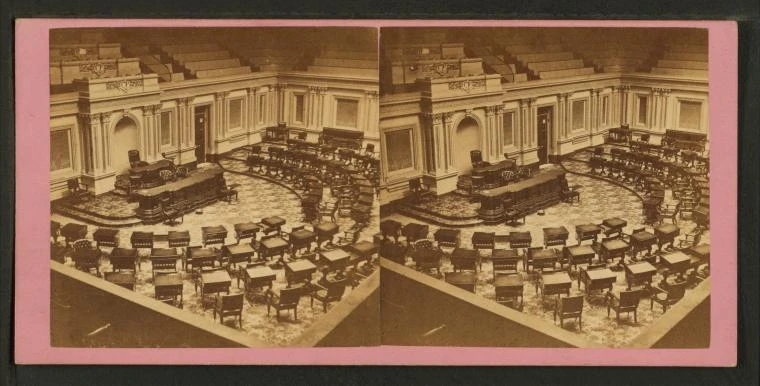
The Senate was set to convene at 3 p.m. Monday, when the bill was expected to be introduced. The next test is whether lawmakers can turn a growing pile of losses into an enforcement system that works before the money disappears.
Sources
- [1]nbcnews.com
- [2]ftc.gov
- [3]consumer.ftc.gov
- [4]gallego.senate.gov
- [5]bankingjournal.aba.com
- [6]senate.gov