Politics
Senators Raise Concerns Over Iran War Planning
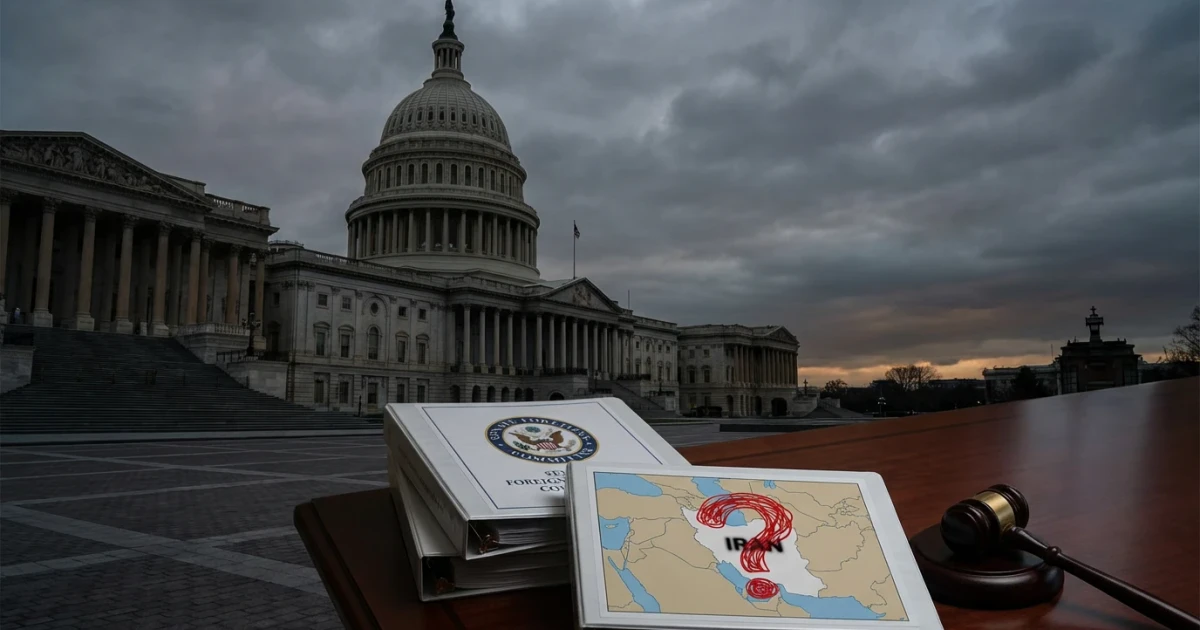
Lawmakers on Capitol Hill are expressing mounting concern over the Trump administration’s handling of the war with Iran, noting a lack of a clear exit strategy as the conflict continues. In recent briefings and public statements, senators from both parties have indicated they have yet to detect any detailed plan for ending the military engagement, raising questions about the long-term objectives and potential costs of U.S. involvement in Iran.
Uncertainty on Capitol Hill
According to Roll Call, senators have voiced frustration after closed-door sessions and hearings, stating that information from the administration has not clarified what a U.S. victory in Iran would entail or how and when troops might return home. This lack of transparency has led to bipartisan calls for clearer benchmarks and an articulated path forward.
The inability to discern an exit strategy comes amid broader debates about the scope and objectives of the current military campaign, which has seen a significant deployment of U.S. assets to the region in recent months. The Congressional Research Service details in its latest report the complex landscape of Iran’s foreign and defense policies, underscoring the challenges of defining clear goals in such a volatile environment.
Costs and Consequences
Concerns are also being raised about the potential costs of sustained U.S. operations. The Congressional Budget Office has published estimates indicating that extended military action could require tens of billions in additional spending, depending on the scale and duration of engagements. These projections have fueled debate in Congress about the long-term fiscal and human implications of the conflict.
- Military operations against Iran could cost from several billion to over $50 billion, depending on campaign scope
- Thousands of U.S. troops are currently deployed in the region
- Recent operations have included both air and ground components, with varying levels of regional support
Beyond cost, legislators have highlighted the risk of U.S. and allied casualties, as well as the potential for the conflict to destabilize neighboring countries. The CSIS Iran Strike Archive documents a series of recent incidents and strikes, showing a pattern of escalation with uncertain outcomes.
Public and International Reaction
Public opinion data from the Pew Research Center indicates that Americans remain divided on the use of military force in Iran, with many expressing skepticism about prolonged involvement without clear objectives. Internationally, allies have sought clarification on U.S. intentions, and the United Nations Security Council continues to monitor compliance with sanctions resolutions and humanitarian concerns.
Calls for Clarity and Oversight
Members of Congress are now pushing for more frequent briefings and regular reporting requirements to ensure that any ongoing or expanded military action is closely monitored. Analysts at the RAND Corporation argue in a recent report that without defined objectives and a clear exit plan, the risks of mission creep and unintended consequences grow significantly.
As the situation in Iran remains fluid, the coming weeks are likely to see intensified debate on Capitol Hill over both the conduct and the aims of the U.S. war effort. Lawmakers are expected to press the administration for answers on what success looks like, and how—if at all—the United States can eventually disengage from the conflict.