US News
Senators Seek to Block US Weapons Sales to Israel
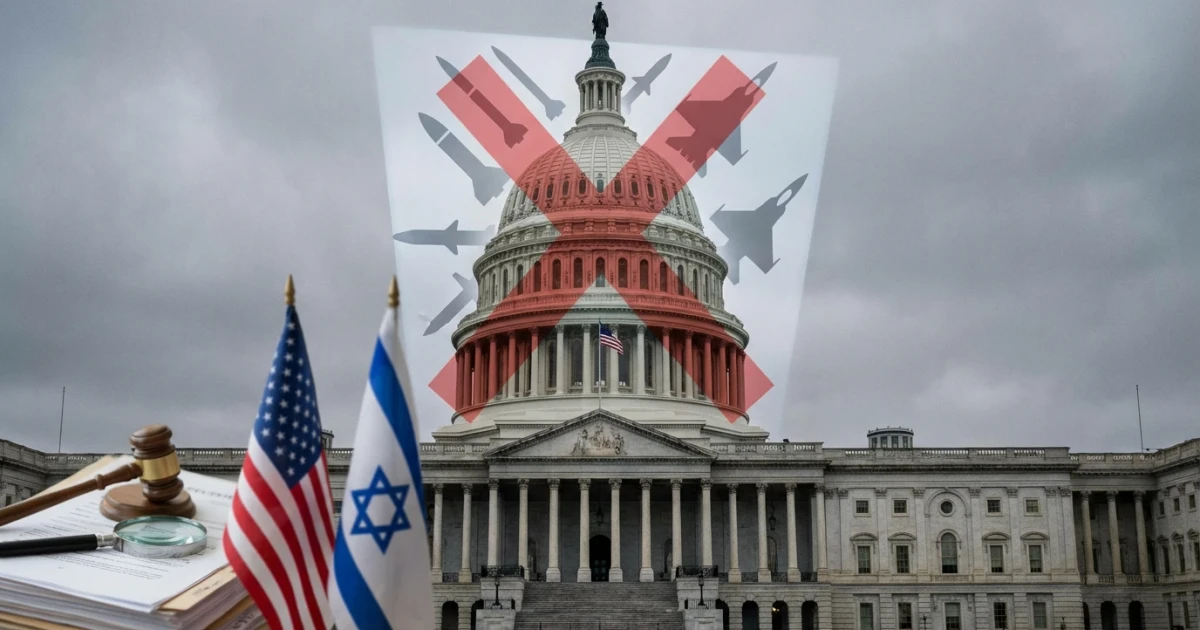
Senator Bernie Sanders has introduced a series of Senate resolutions aimed at blocking proposed US weapons sales to Israel, drawing renewed national attention to the longstanding debate over American military assistance in the Middle East. The move, announced on Capitol Hill, puts pressure on both Democratic and Republican lawmakers to address concerns about the use of US-supplied arms in the ongoing Israeli-Palestinian conflict.
Background on US Military Aid to Israel
The United States is Israel’s largest military supporter, providing approximately $3.8 billion annually in security assistance under a ten-year memorandum of understanding. This aid includes advanced aircraft, missiles, and other defense technologies. The US also approves sales of additional weapons systems and services, subject to Congressional notification and potential review.
According to data from the SIPRI Arms Transfers Database, Israel has been a top recipient of US arms transfers for decades, receiving a wide range of conventional weapons and equipment. These transfers are governed by US law, which requires that American-supplied arms be used in accordance with international humanitarian standards.
Details of the Senate Resolutions
Senator Sanders’s resolutions invoke the Arms Export Control Act, which allows Congress to block or modify proposed arms sales to foreign governments. The measures specifically seek to halt shipments of certain defense articles and services to Israel, citing concerns about their potential use in operations that could harm civilians or violate human rights.
The Guardian reports that Sanders’s resolutions are part of a broader campaign, backed by advocacy groups like the American-Arab Anti-Discrimination Committee, urging lawmakers to “block the bombs and bulldozers” and reevaluate the conditions under which US military aid is provided.
Political Response and Debate
The introduction of these resolutions has divided members of Congress. While some Democrats have expressed support for increased oversight of US arms transfers, others remain cautious, citing the strategic importance of the US-Israel alliance. Republican lawmakers largely oppose the measures, arguing that military aid to Israel is vital for regional security and US interests.
- Supporters of the resolutions argue that the US must ensure its weapons are not used in ways that contravene international law or undermine prospects for peace.
- Opponents warn that restricting arms sales could weaken Israel’s defense capabilities and embolden hostile actors in the region.
Ongoing debate has also highlighted calls from human rights organizations and some within the Democratic Party for stricter end-use monitoring and accountability for US-supplied weapons. The Government Accountability Office has previously recommended improvements to ensure US assistance is used appropriately and transparently.
Legal and Policy Implications
Current US law requires the executive branch to notify Congress of major arms sales, allowing for a period in which lawmakers can introduce resolutions of disapproval. While such resolutions rarely succeed, their introduction can signal substantial political concern and prompt the administration to reconsider or alter proposed transfers.
For a detailed explanation of the legal framework governing US arms transfers, including compliance with the Arms Export Control Act and other statutes, readers can consult recent legal analyses and Congressional Research Service reports.
Looking Ahead
The outcome of Sanders’s resolutions remains uncertain, with significant debate expected in the coming weeks. The issue underscores broader questions about the future of US foreign aid, Congressional oversight, and the balance between strategic partnerships and human rights concerns.
As Congressional leaders weigh their options, the resolutions have amplified calls for transparency and public debate over the role of US military assistance in the Israeli-Palestinian conflict and beyond.